
Aesthetic Veneers and Crowns Support

Layered ceramics, material selection, and prep-design feedback for the esthetic zone — the lab-side craft that turns a dentist's good prep into a restoration that blends.

A veneer or an anterior crown lives or dies on the ceramic work behind it. Aesthetic veneers and crowns support is the layering, material selection, and prep feedback that decide whether a restoration disappears into the smile or stands out in it.

Jahn De Khudikine, Founder · Universal Dental Lab
Jahn De Khudikine Founder · Universal Dental Lab

Why send it here

You prep it. We answer for how it blends.

A practice's schedule lives or dies by the lab — I've watched one late case push back a whole day of chair time.

So I still know the cases moving through this lab, and I answer for how each one is made. Send a case here and it doesn't drop into a queue — it lands with me and one technician who carries it start to finish.

Start a case
Layered, not painted
Value and translucency built into the ceramic Feldspathic · pressed · lithium disilicate
Prep checked first
Reduction and margin flagged before the ceramic stage The esthetics get the room they need
Your technician
One person holds your case Reach them directly — no call-center queue
Free scanner
3Shape TRIOS 6 for partners Go fully digital at no cost

Workflow

From Prep to Finished Esthetic Restoration

Four steps, with a prep check up front and a shade check under corrected lighting before the case ships.

  1. Case Review

    We review the prep, scan, bite, shade records, and your esthetic goal — and raise anything about reduction or clearance before the ceramic stage.

  2. Material & Design

    The restoration is designed to the case: material chosen for load and translucency, contour and emergence set to the planned result.

  3. Layer & Characterize

    Ceramists build value, translucency, and surface texture to match the adjacent teeth — layered or cut back where depth is needed.

  4. Finish, Verify & Ship

    Glaze, luster, contacts, and margin fit are checked against the records under corrected lighting before the case leaves the lab.

Input
STL from iTero, 3Shape, Medit
Material
Feldspathic, pressed, or e.max
Esthetics
Value, translucency, texture to the neighbors
Turnaround
Quoted per case at intake
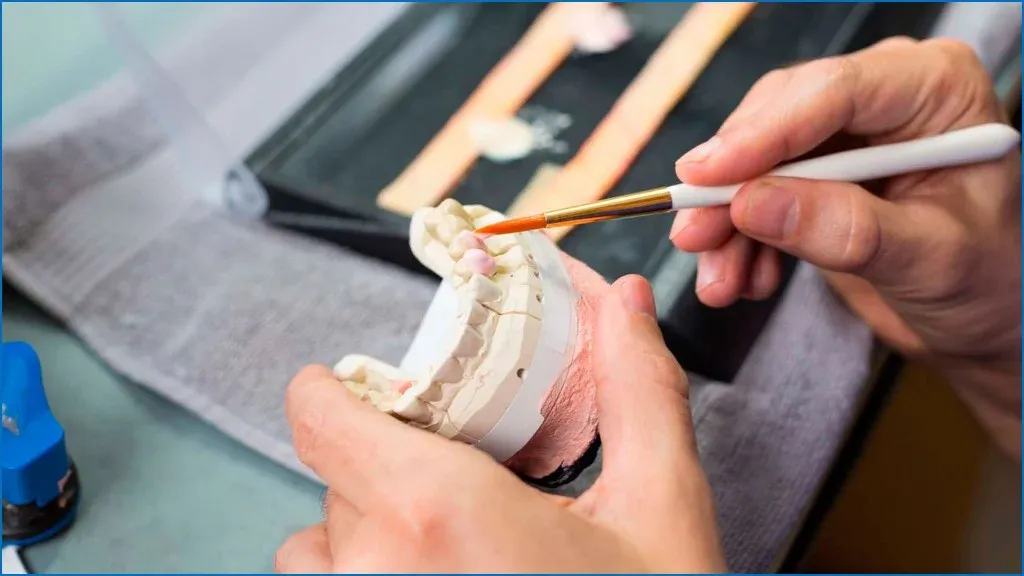
Anterior veneer case on the model beside calibrated shade photography

Overview

Ceramic Support for Veneers and Anterior Crowns

A veneer or an anterior crown lives or dies on the ceramic work behind it. Aesthetic veneers and crowns support is the layering, material selection, and prep feedback that decide whether a restoration disappears into the smile or stands out in it.

Two things send anterior cases back: shade and shape. Both are settled at the bench, not the chair. A flat monolithic shade can carry a posterior crown, but the esthetic zone often wants layered translucency, internal characterization, and surface texture read off the teeth beside it — depth built in instead of a painted-on look.

  • It starts before the ceramic: Under-reduction or a starved margin is raised early, so esthetics are not compromised by the room they were given.

  • Material matched to the case: Feldspathic, pressed, or lithium disilicate — chosen for the load and the look, not defaulted to one recipe.
Learn more
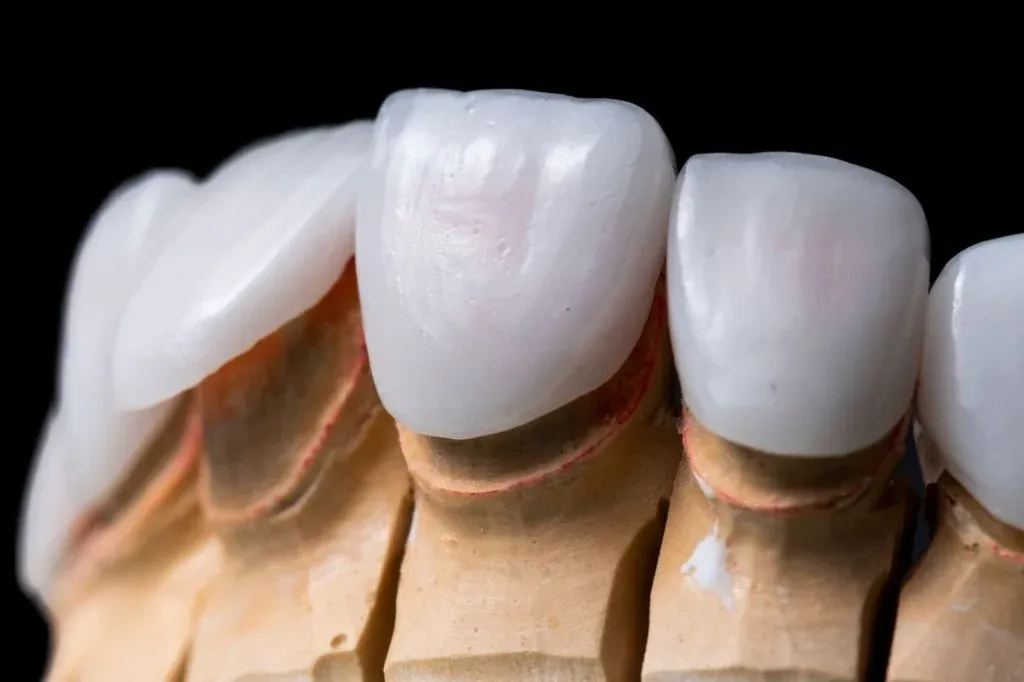
Layered anterior restoration showing value, translucency, and surface texture

Layering & Characterization

Depth You Build, Not Paint On

Where the case calls for it, we cut back and layer — building value, incisal translucency, and internal effects that read as a natural tooth rather than a uniform block of ceramic. The surface texture and luster are matched to the neighbors, because the eye catches a mismatch in shape as fast as one in color.

  • Cut-back and layered ceramics: Anterior depth built with internal staining and incisal characterization.

  • Surface morphology to the neighbors: Texture and luster matched to the adjacent teeth, not left flat.

Learn more
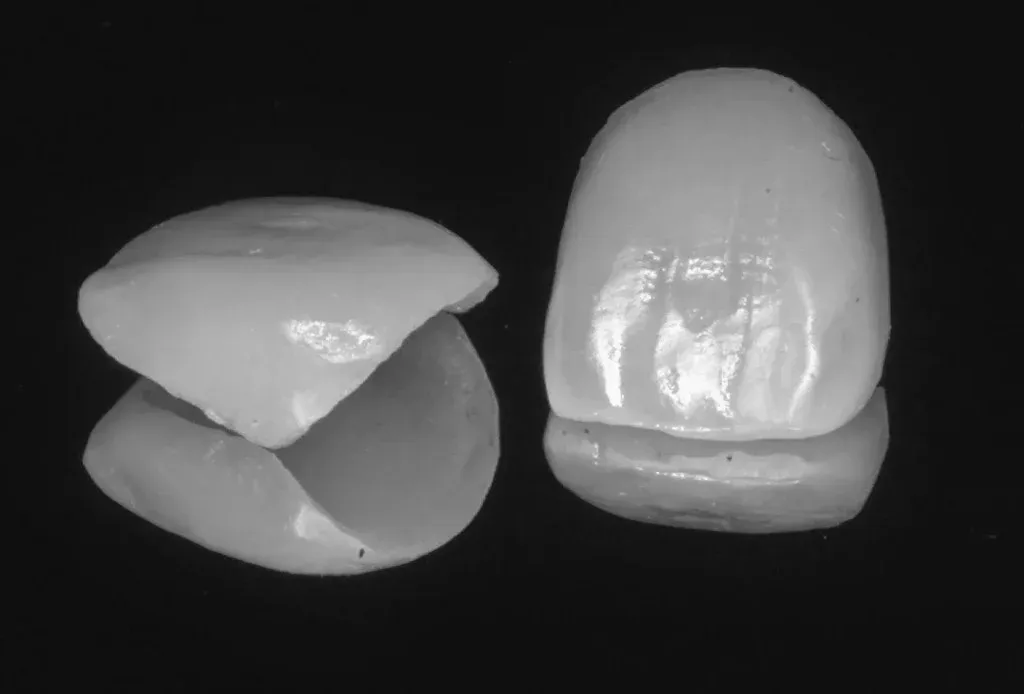
Feldspathic veneer and a monolithic e.max crown side by side for translucency contrast

Materials

The Right Ceramic for the Prep and the Look

Feldspathic porcelain gives the most control over translucency for thin veneers; pressed and layered lithium disilicate balances strength with esthetics; monolithic e.max carries load where reduction or function demands it. Our ceramists recommend the material against the prep, the occlusal load, and the esthetic target.

When a goal and the mechanics pull in different directions, we say so before building rather than delivering a compromise.

  • Translucency where it is thin: Feldspathic gives the most control for thin anterior veneers.

  • Strength where it is loaded: Monolithic e.max carries load where reduction or function demands it.

Learn more

Applications

What This Support Covers

From a single anterior crown to a combined veneer-and-crown segment — built to read as one restoration.

Layered Porcelain Veneers

Feldspathic and pressed-and-layered veneers built with internal characterization for depth in the esthetic zone.

Lithium Disilicate Restorations

Monolithic or cut-back-and-layered e.max crowns and veneers where strength and translucency both matter.

Anterior Crown Segments

Single or multiple anterior crowns matched to natural neighbors in value, contour, and surface texture.

Prep-Design Guidance

Feedback on reduction and margin design before or during the case, so the ceramic has the room it needs to look right.

Combined Veneer & Crown Cases

Mixed segments where veneers and crowns share the smile line and have to read as one continuous restoration.

Shade & Texture Matching

Surface morphology, luster, and characterization tuned to blend a restoration with the dentition around it.

When to Use It

When Lab-Side Esthetic Support Is the Right Fit

  • Layered porcelain veneers for the esthetic zone
  • Monolithic or cut-back-and-layered lithium disilicate
  • Single or multiple anterior crown segments
  • Combined veneer-and-crown cases on one smile line
  • Prep-design feedback before the ceramic stage
  • Shade and surface-texture matching to the dentition

When shade and shape both have to be right, they are settled at the bench — read under corrected light and matched to the teeth beside the restoration, not chased at the chair.

Advantages

Why Lab-Side Esthetic Support Matters

  • Ceramic Built for Depth

    Layering and internal staining give an anterior restoration the translucency and life a flat monolithic shade cannot, where the case calls for it.

  • Prep Feedback Before Ceramic

    We flag insufficient reduction or a margin that starves the ceramic early — so the esthetics are not compromised by the room they were given.

  • Material Matched to the Case

    Feldspathic, pressed, or lithium disilicate is chosen for the load, the prep, and the esthetic target — not defaulted to one recipe.

  • Fewer Esthetic Remakes

    Handling shade, contour, and texture as deliberate steps removes the two things that send anterior cases back: color and shape.

Where the case is won

Two things send anterior cases back: shade and shape. Both are settled at the bench, not the chair — shade read under corrected lighting, surface texture matched to the neighbors, and a starved margin or short reduction flagged before the ceramic stage rather than after.

Materials & Quality

Materials, Layering, and Quality Control

Material Selection by Case

Feldspathic porcelain gives the most control over translucency for thin veneers; pressed and layered lithium disilicate balances strength with esthetics; monolithic e.max carries load where reduction or function demands it. Our ceramists recommend the material against the prep, the occlusal load, and the esthetic target — and say so when a goal and the mechanics pull in different directions.

Read the full quality process Show less

Design, Margins, and Review

Margins, contacts, contour, and emergence are designed and checked in CAD, and the prep is reviewed for the reduction the chosen ceramic needs. When the records or the reduction do not support the esthetic goal, we raise it with you before building rather than delivering a compromise.

Esthetics and Fit Together

A restoration has to seat as well as it blends. Fit, contacts, and margin integrity are verified alongside shade and texture, so the case that looks right on the model also seats cleanly — less chair time adjusting, fewer returns.

Case Submission

Sending an Aesthetic Veneer or Crown Case

We accept scans from iTero, 3Shape, and Medit — pair the geometry with calibrated shade photos so the ceramic matches, not just fits.

To keep your case moving, include:

  • An STL scan or impression of both arches and a bite registration
  • Calibrated shade photos with a reference tab, under corrected lighting
  • A stump shade for discolored or non-vital preps
  • The prescription with material preference and esthetic goal
  • The approved wax-up or design, if the case was planned

The frequent misses are under-documented shade and a prep reviewed only after ceramic has begun — both avoidable. New to the lab? Open an account and we will set up your first esthetic case.

Why Universal Dental Lab

Why Practices Trust Us With Esthetic Cases

  • Prep and Emergence Checked Up Front

    Prep depth, margin visibility, and emergence questions are resolved before ceramic is stacked — especially when crowns and veneers share an arch.

  • Layering Under Lab Light

    Material choice, internal shade, and surface texture are read under corrected lighting and checked against your photos before glaze.

  • Mixed Crown and Veneer Segments

    A single anterior crown beside veneers gets the same contour and shade logic so transitions at the margin line stay invisible.

Start a case

Send one case. Keep the scanner.

Open a partner account and your first case moves with a shade record and our remake guarantee — if a unit does not seat, we redo it at no charge.

  • Free 3Shape TRIOS 6 scanner for active partners
  • Under-2% remake rate — remakes at no charge
  • One named technician you reach directly — no call center

Prefer to talk? +1 747-268-0808

No call center — you hear back from the lab, not a bot.

Aesthetic Support FAQ

Aesthetic Veneers & Crowns Support — Questions Dentists Ask

Monolithic lithium disilicate or zirconia suits many anterior singles when esthetic demand is moderate and prep reduction is adequate. Layered ceramics earn their place when you need depth, translucency variation, and surface characterization to match picky neighbors. Tell us the material on the RX and the esthetic goal; we will flag if reduction or stump shade makes your choice risky.

Yes, when the scan shows it. Insufficient labial reduction, a starved margin for a ceramic shoulder, or a dark stump without room for block-out are common anterior failures we catch at intake. That feedback is part of this service — better to adjust prep depth or material choice before the ceramic stage.

The scan defines shape; photos and stump shade define color. A translucent ceramic over a dark prep without stump documentation reads wrong even when the tab number is correct. Send calibrated shade photos, a stump shade on discolored preps, and neighbor references — custom shade matching goes deeper when characterization is heavy.

Custom shade matching

Lithium disilicate excels when you want cut-back layering and moderate strength on veneers and single crowns with solid enamel reduction. Zirconia fits when strength or masking a dark stump matters and you accept a more opaque or layered zirconia path. We match the call to prep depth, clearance, and whether the unit is a veneer or full-coverage crown.

It should when length, midline, or multi-unit proportion is in play. Building layered ceramics to an ad hoc prep is how anterior remakes happen. Anterior case design or DSD settles contour before prep; this service then executes the material, layering, and shade strategy to that plan.

How to send a file

Partner Offer

A Free Intraoral Scanner for Partner Practices

Partner with Universal Dental Lab and we place a 3Shape TRIOS 6 Wireless in your operatory — free for the length of our partnership. Scan the prep, send it in seconds, and skip impressions entirely.