
Case Remakes Policy

A remake is a question before it is a redo: why did the case miss? We review every return from a dental practice against the records, correct our own errors, and fix the ones that trace to the source.

A case that comes back is information. Handled as a blame conversation, it produces a defensive lab and a frustrated practice. Handled as a cause investigation, it produces a corrected restoration and one fewer of the same problem next month.

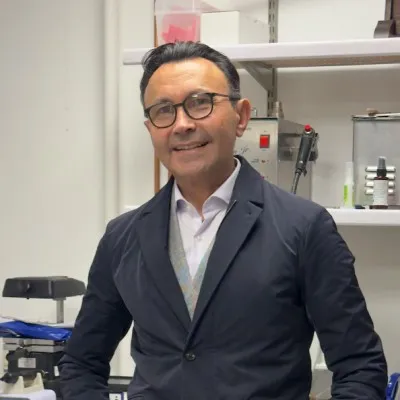
Jahn De Khudikine, Founder · Universal Dental Lab
Jahn De Khudikine Founder · Universal Dental Lab

Why send it here

A returned case is a why before it is a redo. We answer the why first.

A practice's schedule lives or dies by the lab — I've watched one late case push back a whole day of chair time.

So I still know the cases moving through this lab, and I answer for how each one is made. Send a case here and it doesn't drop into a queue — it lands with me and one technician who carries it start to finish.

Start a case
Cause, not blame
Every return is read against the records before a rebuild The remake corrects the case instead of repeating it
Rebuilt from the file
Margins, contacts and contour repeat from the approved design The one thing that missed is fixed without reopening the rest
Your technician
One technician holds your case Reach them directly — no call-center queue
Free scanner
3Shape TRIOS 6 for partners Go fully digital at no cost
Universal Dental Lab Case return sheet

What to send with a return

  • The restoration being returned
  • What failed at seat (margin, contacts, occlusion, shade)
  • Original prescription and case records
  • New scan or impression, if the prep changed
  • Updated shade photos, if relevant
  • Any chairside notes from the seat appointment

The clearer the reason for the return, the faster we can determine whether it is a remake or a refinement.

How We Handle Returns

A Remake Starts With Why, Not Whose

Our case remakes policy is built on one distinction: cause over blame. When a restoration is returned, we check it against the original prescription, the scan, and our own quality-control notes before anything is remade — because the fix depends entirely on what actually went wrong.

Lab cause vs records cause
If the miss is a design or production error on our side, the remake is ours to correct. If it traces to the records — a margin that was never clear in the scan, a bite that did not fully capture — we tell you what to recapture, so the remake corrects the case instead of repeating it. Most returns, honestly, are records issues, which is why our front-end review exists.
Remake, or something smaller
Not every return is a full remake. A high contact, a minor occlusal interference, or a shade that needs a touch is often an adjustment or refinement, not a rebuild — and we will tell you when that is the faster, better route.
Where the specifics live
Remake timeframes, warranty windows, and what falls inside or outside coverage depend on the case type and material. Those terms are set with the lab directly.
Technician comparing a returned restoration against the original prescription and scan on screen

The Read

A Remake Starts With Why, Not Whose

A case that comes back is information. Handled as a blame conversation, it produces a defensive lab and a frustrated practice. Handled as a cause investigation, it produces a corrected restoration and one fewer of the same problem next month. When a restoration is returned, we check it against the original prescription, the scan, and our own quality-control notes before anything is remade — because the fix depends entirely on what actually went wrong.

  • Lab cause: A design or production error on our side — the remake is ours to correct.

  • Records cause: A margin that was never clear or a bite that did not capture — we tell you what to recapture so the remake does not repeat it.
Learn more
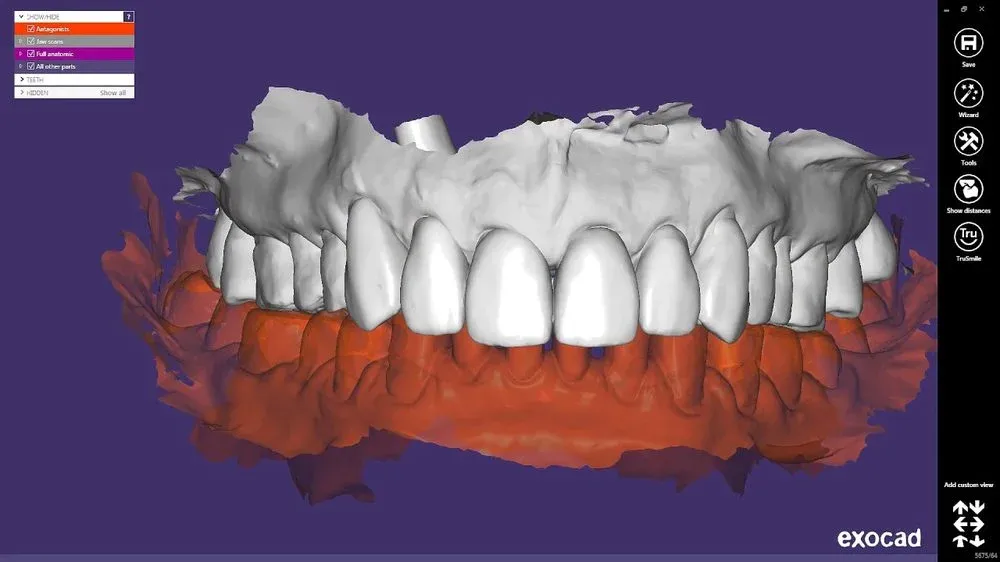
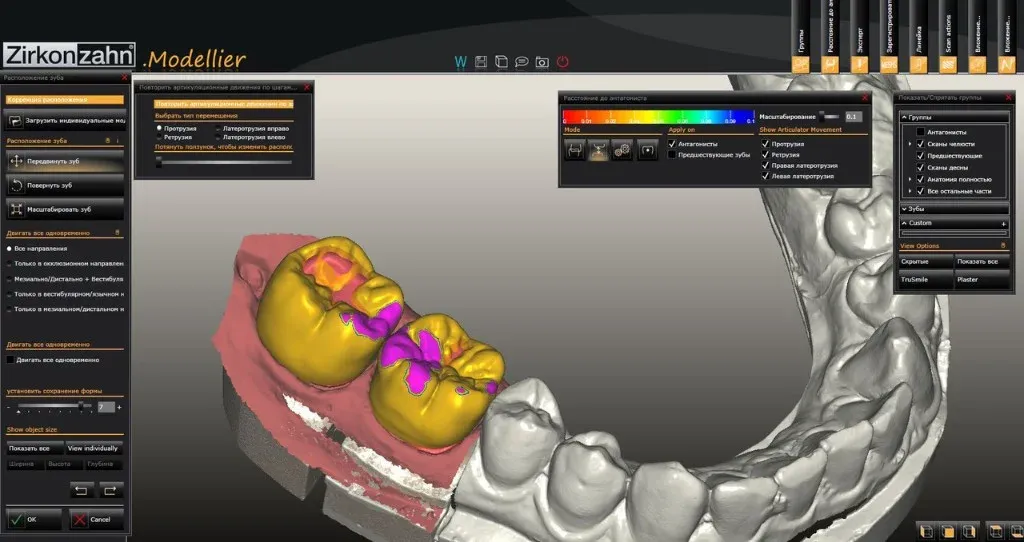
Digital restoration design open on screen beside the model, ready to rebuild from the file

Rebuilt From the File

A Remake That Matches the Original

Because the case is stored as a digital design, a remake is rebuilt from the same file rather than re-carved by hand. Margins, contacts, and contour come back matching the approved original — so a remake corrects the one thing that missed without reopening everything that was already right.

When new records are needed because the mouth changed, the remake is built from those instead, and the reason is documented on the case so the history stays clear.

  • Same design, repeated: The stored file rebuilds the margins and contour that were already right.

  • New records when needed: If the prep or tissue changed, the remake is built from the new scan and the reason is documented.

Learn more

Prevent the next one, not just fix this one

A remake is corrected; a recurring remake is prevented. What caused each return is recorded on the account, so a pattern — a scanner artifact, a prep habit — gets caught early. For difficult cases, a complex case review or a planning session catches the problems that drive remakes while the case is still on screen. Preventing a remake is always cheaper than correcting one.

The Process

How a Returned Case Is Handled

Five steps from a flagged case to a corrected one — with the cause recorded so it does not recur.

  1. Flag the case

    Practice

    Tell us what did not work at seat — the margin, the contacts, the occlusion, the shade — and send it back with the same records we started from plus anything new you captured chairside.

  2. We review what happened

    Lab

    The returned restoration is checked against the original prescription, the scan, and our QC notes. We are looking for the cause, not fault: a design issue, a records issue, or something that changed in the mouth between impression and seat.

  3. Cause determines the path

    Lab

    If the miss is ours, the remake is on us. If it traces to the records — an unclear margin, a bite that did not capture — we tell you what to recapture so the remake does not repeat the problem.

  4. Remake or refine

    Lab

    Not every return needs a full remake. Where a chairside adjustment or a refinement will correct it, we say so rather than remaking unnecessarily. When a remake is right, it goes back through full QC.

  5. Root cause noted for next time

    Lab

    What caused the remake is recorded on the account, so a recurring pattern — a scanner artifact, a prep habit — gets caught and prevented rather than repeated case after case.

What a cause-first policy actually gives you

  • Cause over blame

    Every remake starts with why it happened. A lab error is corrected at our cost; a records issue is fixed at the source so the same case does not come back twice.

  • The file makes it exact

    Because the case lives as a digital design, a remake is rebuilt from the same file — margins, contacts, and contour repeat instead of being re-carved from scratch.

  • Documented, not ad hoc

    Prescriptions, QC checks, and remake causes are recorded, so a remake conversation is grounded in the case history — not a disagreement about what was asked for.

Start a case

Send one case. Keep the scanner.

Open a partner account and your first case moves with a shade record and our remake guarantee — if a unit does not seat, we redo it at no charge.

  • Free 3Shape TRIOS 6 scanner for active partners
  • Under-2% remake rate — remakes at no charge
  • One named technician you reach directly — no call center

Prefer to talk? +1 747-268-0808

No call center — you hear back from the lab, not a bot.

Remakes FAQ

Case Remakes Policy — Questions Dentists Ask

Return the restoration with a note on what failed at seat — margin, contacts, occlusion, or shade — along with the original prescription and records, plus any new chairside records you captured. A fresh scan or impression and updated shade photos matter most when the mouth changed between the original impression and the seat appointment. The clearer the reason for the return, the faster we can determine whether it is a remake or a refinement.

Yes. A remake can be rebuilt from the original STL when the case has not changed, or from a new scan taken with iTero, 3Shape, or Medit when the prep or tissue has. We keep the original digital design on file, so a remake references the same margins and contour rather than starting over.

How to send a file

If the miss is a design or production error on our side, the remake is ours to correct. If it traces to the records — a margin that was never clear in the scan, a bite that did not fully capture — we tell you what to recapture so the next build corrects the case instead of repeating it. Most returns, honestly, are records issues, which is why front-end review exists.

A remake rebuilt from the existing file moves faster than one needing new records, and a full remake takes longer than a refinement. Complete return information keeps it short; a case returned without a clear reason or updated records adds a review step. Specific terms and any warranty window depend on the case type.

Yes — and it is the better path than managing remakes after the fact. For difficult cases, a complex case review or case planning session catches the problems that drive remakes while the case is still on screen. Preventing a remake is always cheaper than correcting one.

Complex case review

Partner Offer

A Free Intraoral Scanner for Partner Practices

Partner with Universal Dental Lab and we place a 3Shape TRIOS 6 Wireless in your operatory — free for the length of our partnership. Scan the prep, send it in seconds, and skip impressions entirely.