

Maryland Bridges

The conservative fix for a single missing anterior tooth — a bonded retainer wing and a pontic, for the dentist who would rather not cut sound adjacent teeth.

When a patient is missing one anterior tooth and the neighbors are intact, a Maryland bridge bonds a thin retainer wing to the lingual enamel instead of cutting the abutments down. In the right anterior situation it is one of the most conservative fixed options there is.

Jahn De Khudikine, Founder · Universal Dental Lab
Jahn De Khudikine Founder · Universal Dental Lab

Why send it here

A Maryland bridge fails at the wing. We prep-proof the design before you cut.

A practice's schedule lives or dies by the lab — I've watched one late case push back a whole day of chair time.

So I still know the cases moving through this lab, and I answer for how each one is made. Send a case here and it doesn't drop into a queue — it lands with me and one technician who carries it start to finish.

Start a case
Enamel-only bond
One of the most conservative fixed options — often little to no reduction Sound adjacent teeth stay intact
Zirconia wing
Designed for maximum enamel bonding surface, no gray show-through Fit and pontic contour verified on the model before it ships
Your technician
One person holds your case Reach them directly — no call-center queue
Free scanner
3Shape TRIOS 6 for partners Go fully digital at no cost

Approach Comparison

Maryland, Cantilever, or Implant?

Three ways to replace a tooth without a full conventional bridge, from least to most invasive. We support all three.

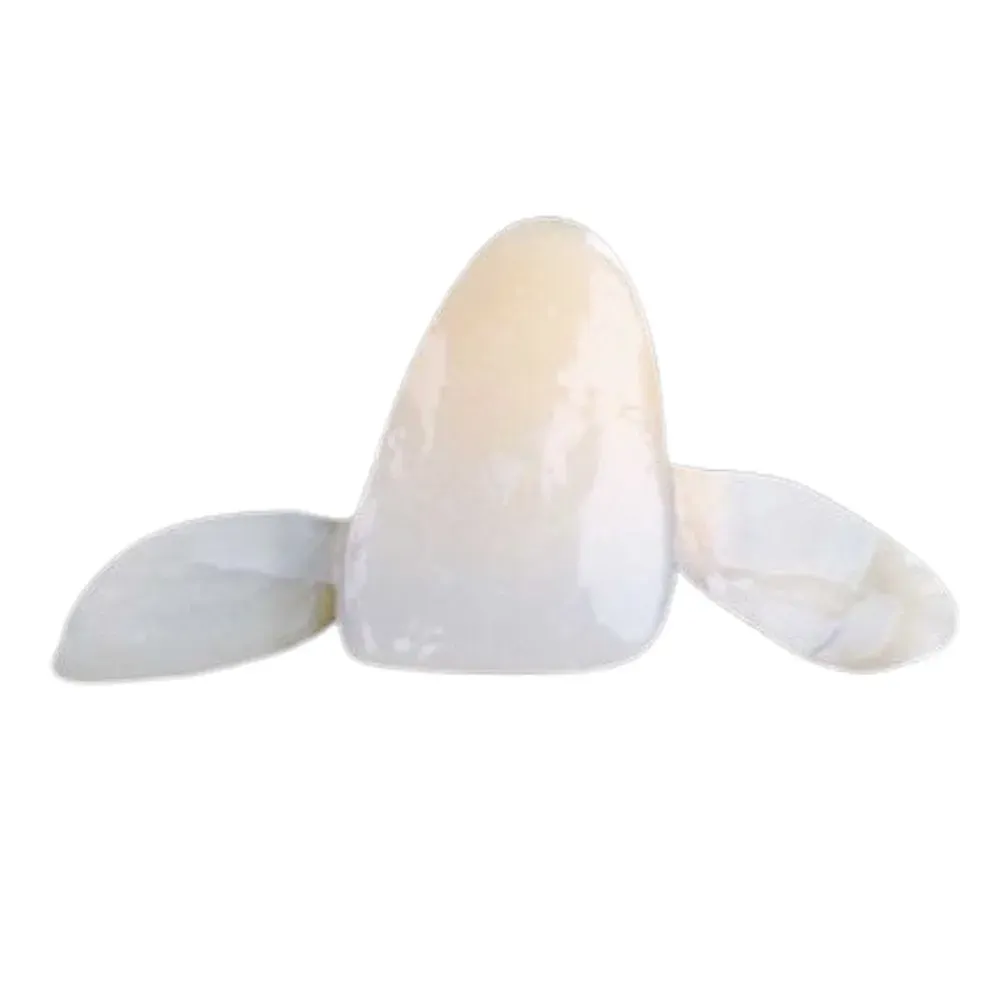
Resin-bonded bridge, retainer wing bonded to the lingual enamel
Maryland Bridges You are here
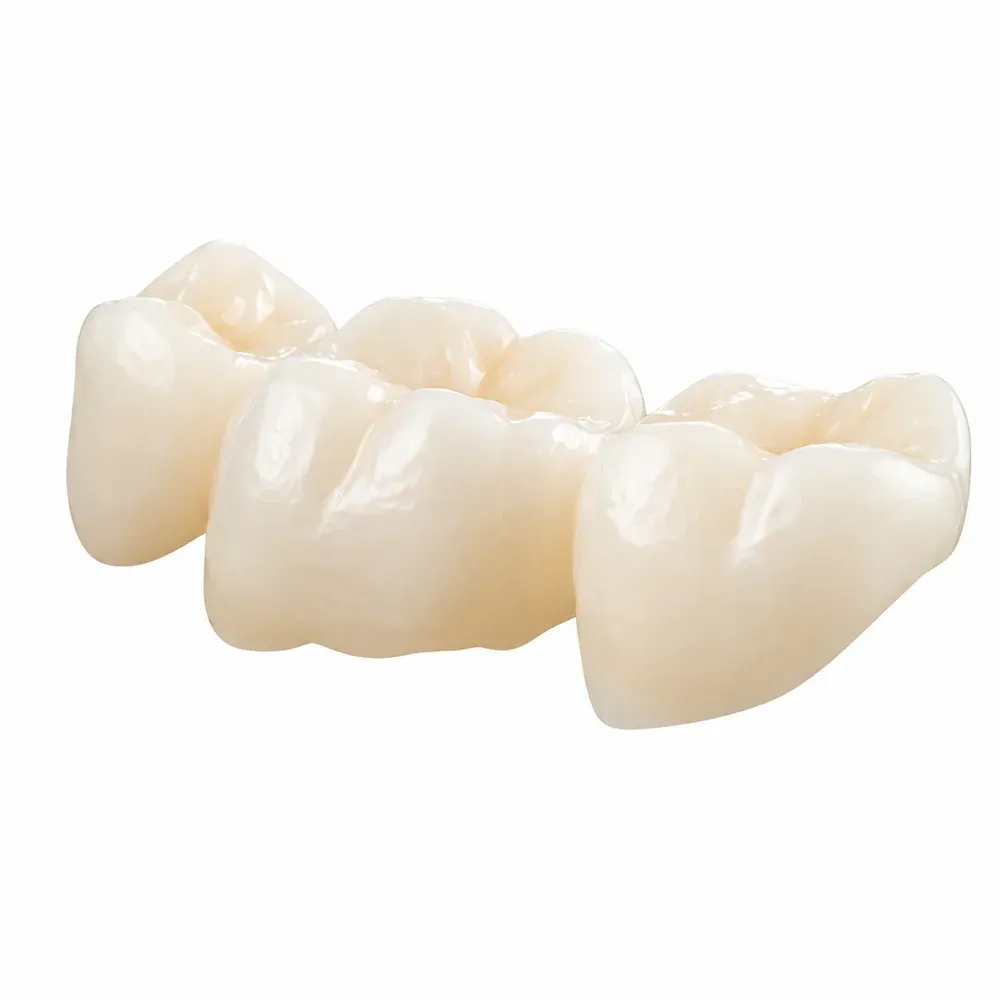
Cantilever bridge, pontic supported off one prepared abutment
Cantilever Bridges
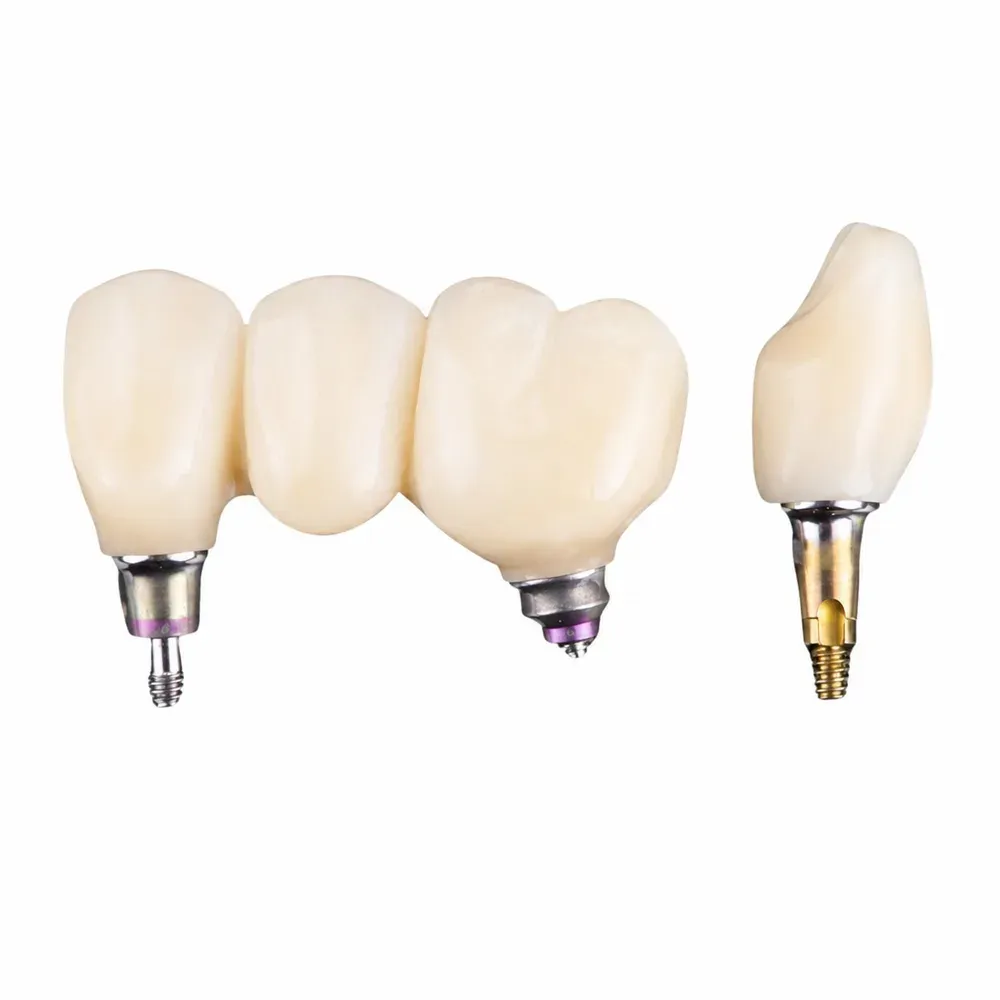
Bridge seated on implant abutments on the master model
Implant-Supported Bridges
Approach Bonded retainer wing + pontic Pontic off one prepared abutment Bridge on implants
Invasiveness Minimal — enamel only Moderate — one abutment Surgical
Best for Single anterior tooth, conservative or interim One-sided abutment situations Definitive, no reliance on natural teeth

The right approach depends on the abutment enamel, the occlusion, and the long-term plan. Confirm case suitability with the lab before you prep.

Design
Resin-bonded bridge
Retainer wing
Zirconia or metal-ceramic
Preparation
Minimal — enamel only
Turnaround
Quoted per case at intake
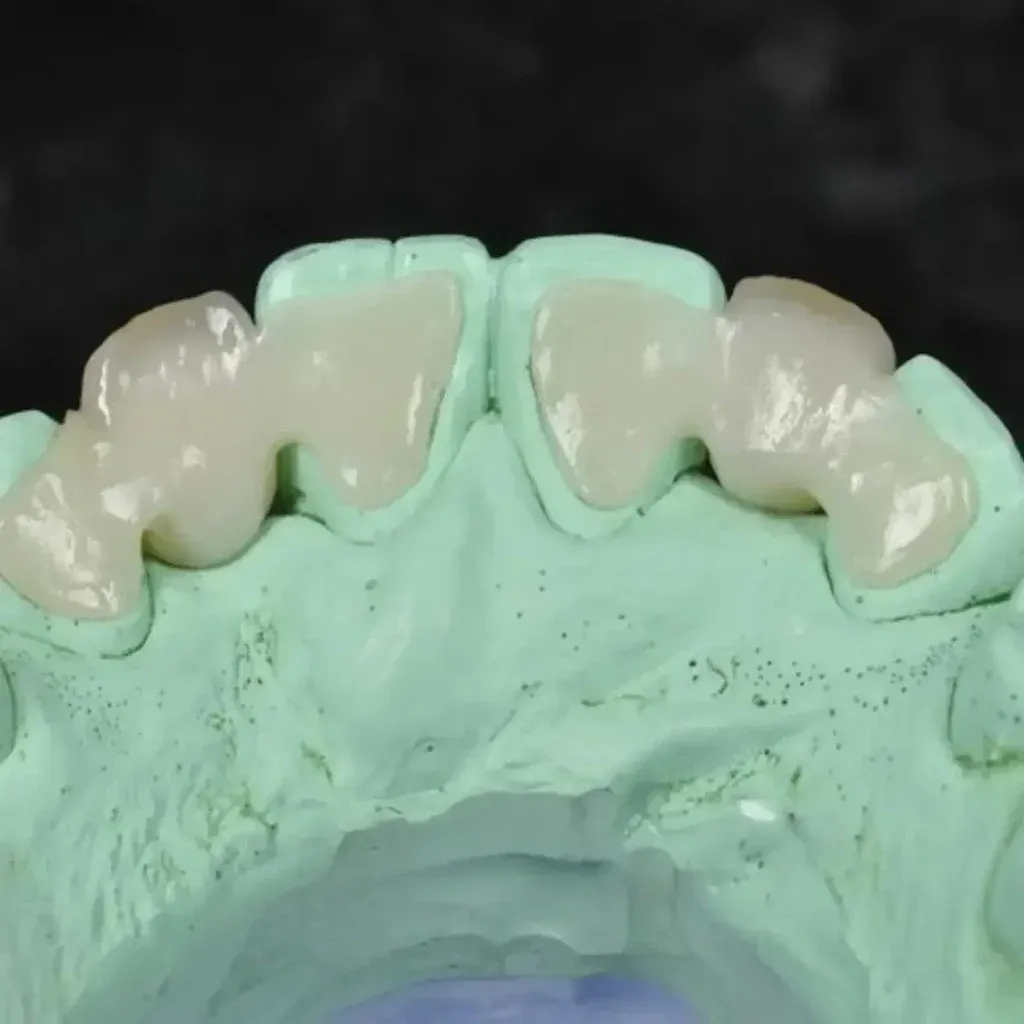
Maryland bridge on the master model, retainer wing to the lingual

Overview

A Conservative Answer for a Single Anterior Gap

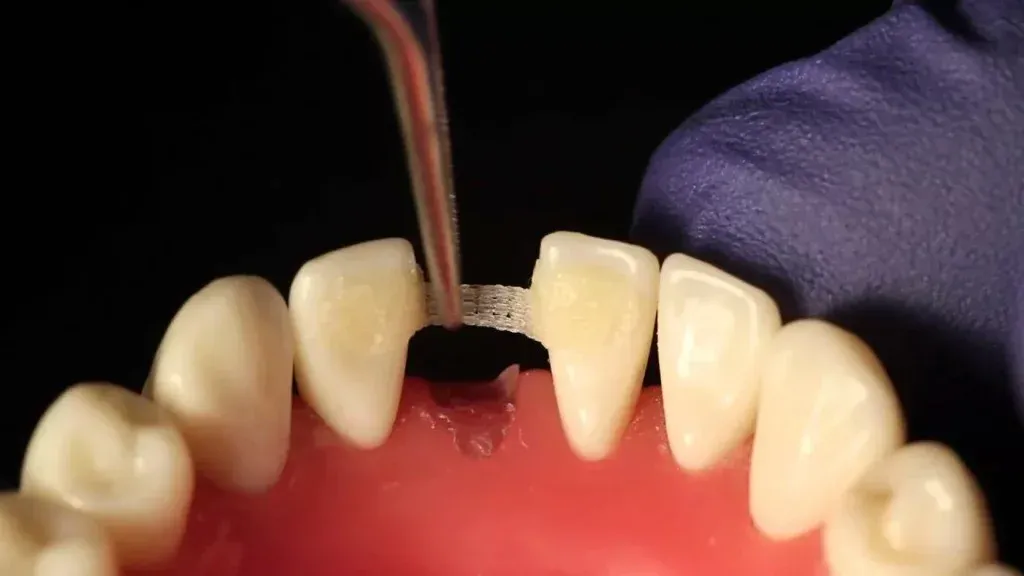
When a patient is missing one anterior tooth and the neighbors are intact, cutting them down for a conventional bridge is a lot to ask. A Maryland bridge replaces the tooth by bonding a thin retainer wing to the lingual enamel instead — one of the most conservative fixed options there is.

Also called a resin-bonded bridge, it restores the tooth without committing healthy structure, and it makes a durable interim while a younger patient waits for an implant.

  • Conservative: Little to no reduction, often confined to enamel — sound abutments stay intact.

  • Interim-friendly: A durable placeholder for a younger patient not yet ready for an implant.
Learn more
A technician refining the intaglio of a resin-bonded retainer wing

At the Bench

A Thin Wing, Designed to Bond

We design the retainer wing to maximize the bonding surface within the available enamel, choose the material to avoid show-through at a translucent abutment, and prepare the wing intaglio for adhesion. Fit and the pontic contour are checked on the model before it ships.

  • Bonding area: Wing designed for the maximum enamel bonding surface the case allows.

  • No show-through: A zirconia wing where a metal one would cast gray through a thin abutment.

  • Pontic contour: Designed for a clean tissue interface and checked on the model.

Learn more

Before you bond

A Maryland bridge lives or dies on the bond to enamel. Confirm the abutment surface is intact enamel and the occlusion is light — a deep bite, heavy anterior contact, or parafunction pushes toward debonding, and good isolation at seating is part of the job.

Case Selection

When a Maryland Bridge Is the Right Call

Indicated for

  • Single missing anterior teeth, especially incisors, with intact adjacent teeth
  • Conservative replacement where preparing sound abutments for a full bridge is undesirable
  • Younger patients not yet ready for an implant, as a durable interim solution
  • Cases with unrestored, enamel-rich abutments that bond reliably
  • Situations with light anterior occlusion and no significant parafunction

Consider an alternative when

  • The occlusion is heavy, the bite is deep, or the patient is a bruxer — debonding risk rises sharply
  • The abutment surface is heavily restored and offers little enamel to bond to
  • A posterior, high-load site is involved
  • A definitive, load-bearing replacement is the goal — an implant or conventional bridge is more predictable

Specifications

Maryland Bridge Specifications

Design, bonding, and record data for planning the resin-bonded bridge chairside.

Typical parameters for the resin-bonded bridges we fabricate.
Design Resin-bonded bridge — a pontic supported by thin retainer wing(s) bonded to the lingual surface of the adjacent tooth or teeth
Material Zirconia or metal-ceramic retainer wing with the pontic; material chosen for rigidity and bond reliability
Preparation Minimal — often little to no reduction, confined to enamel; among the most conservative fixed options available
Retainer configuration A single cantilevered wing is common for anterior cases; a two-wing design where the situation supports it
Bonding Adhesive resin cement to enamel. A zirconia wing is air-abraded and treated with an MDP primer; a metal wing is prepared for bonding. Enamel bonding and isolation are essential
Load tolerance Best in light anterior occlusion; heavy load, deep bite, and parafunction raise the risk of debonding
Esthetics A metal wing can shine through a thin translucent abutment; a zirconia wing avoids that grayish show-through
Records Intraoral scan or impression, opposing arch, bite registration, and shade
Turnaround Quoted per case at intake

Maryland bridge success depends heavily on case selection, enamel bonding, and occlusion. Confirm case suitability and wing design with the lab before you prep.

Case Submission

Sending a Maryland Bridge Case

We accept scans from all major intraoral systems, including iTero, 3Shape, and Medit — or a conventional impression if your practice has not gone digital.

Include with the case:

  • STL or impression of the arch and the opposing arch
  • Bite registration
  • Calibrated shade photos for the pontic
  • Which abutment surface will be bonded, and whether it is intact enamel
  • A note on the occlusion at the site — deep bite, heavy contact, parafunction

The occlusal note is the one that most affects whether a Maryland bridge is advisable — tell us, and we will confirm suitability before fabricating. New to the lab? Open an account and we will walk you through the first case.

Start a case

Send one case. Keep the scanner.

Open a partner account and your first case moves with a shade record and our remake guarantee — if a unit does not seat, we redo it at no charge.

  • Free 3Shape TRIOS 6 scanner for active partners
  • Under-2% remake rate — remakes at no charge
  • One named technician you reach directly — no call center

Prefer to talk? +1 747-268-0808

No call center — you hear back from the lab, not a bot.

Maryland Bridge FAQ

Maryland Bridges — Questions Dentists Ask

It is an excellent conservative or interim solution in the right anterior situation: intact enamel for bonding, light occlusion on the pontic, and a patient who understands the limits. It is a debond waiting to happen in a deep bite, heavy contacts, or worn enamel. Send a diagnostic scan and we will say whether a Maryland, cantilever, or implant path fits better.

Send an intraoral scan or impression of the arch and opposing arch, a bite registration, and calibrated shade photos for the pontic. Tell us which abutment surface will be bonded and whether it is intact enamel — resin-bonded bridges depend on that bond. Note the occlusion at the site; a deep bite changes wing design and whether the case is advisable.

A metal wing maximizes bonding surface and longevity in many cases, but it can show through a translucent abutment. We recommend a zirconia wing where a metal one would gray the abutment, and design the wing for maximum bonding surface within the enamel available.

The point of a Maryland is minimal preparation — often limited to the lingual enamel of the abutment. Over-preparing into dentin weakens the adhesive advantage. If the abutment already has a large restoration, say so; that may push the case toward a conventional retainer or a different design.

Yes — case selection is where Maryland bridges succeed or fail. A quick look at occlusion, abutment enamel, and the long-term plan is worth having before you promise a bonded bridge. We will advise on wing design and material, or whether a cantilever or implant option fits better.

How to send a file

Switching labs, de-risked

New to us? If the case selection or design is wrong for the site, we say so before fabricating rather than ship a debond. We keep a shade and design record for your practice, so the next case starts from what worked on the first.

Partner Offer

A Free Intraoral Scanner for Partner Practices

Partner with Universal Dental Lab and we place a 3Shape TRIOS 6 Wireless in your operatory — free for the length of our partnership. Scan the prep, send it in seconds, and skip impressions entirely.