

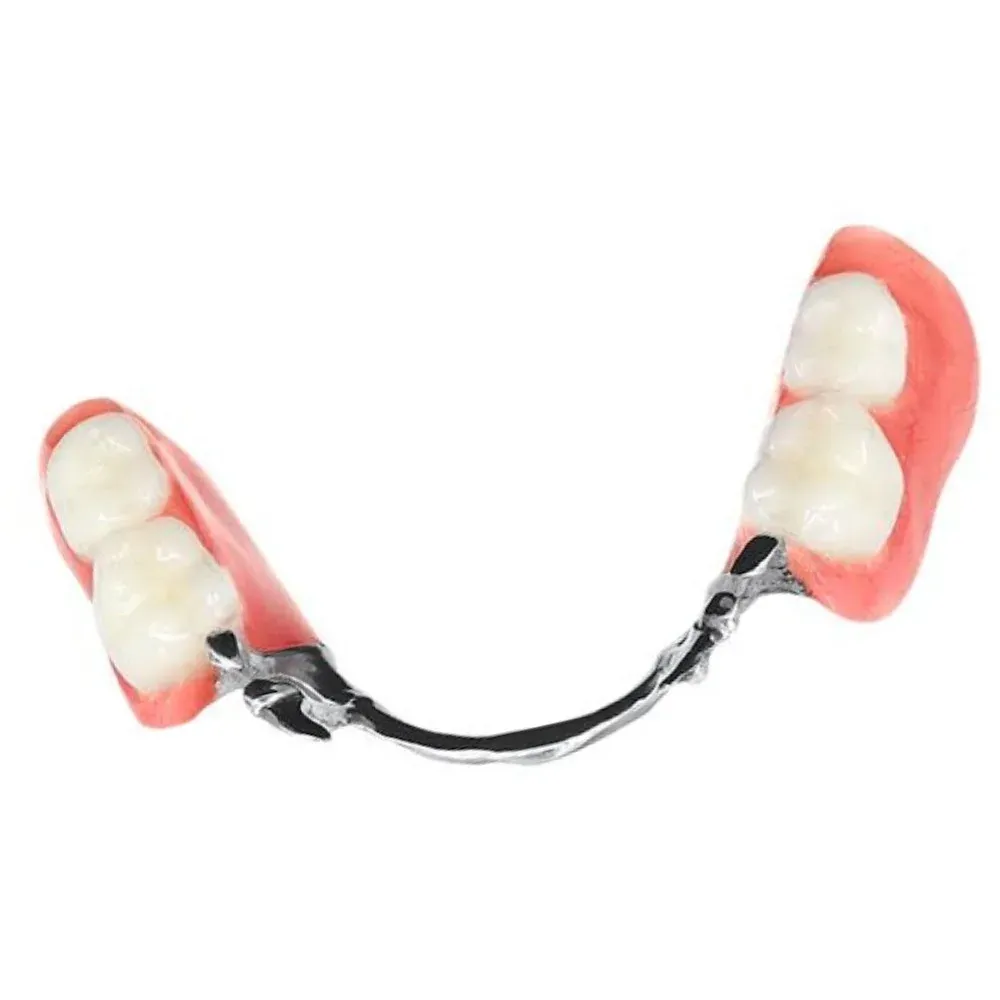
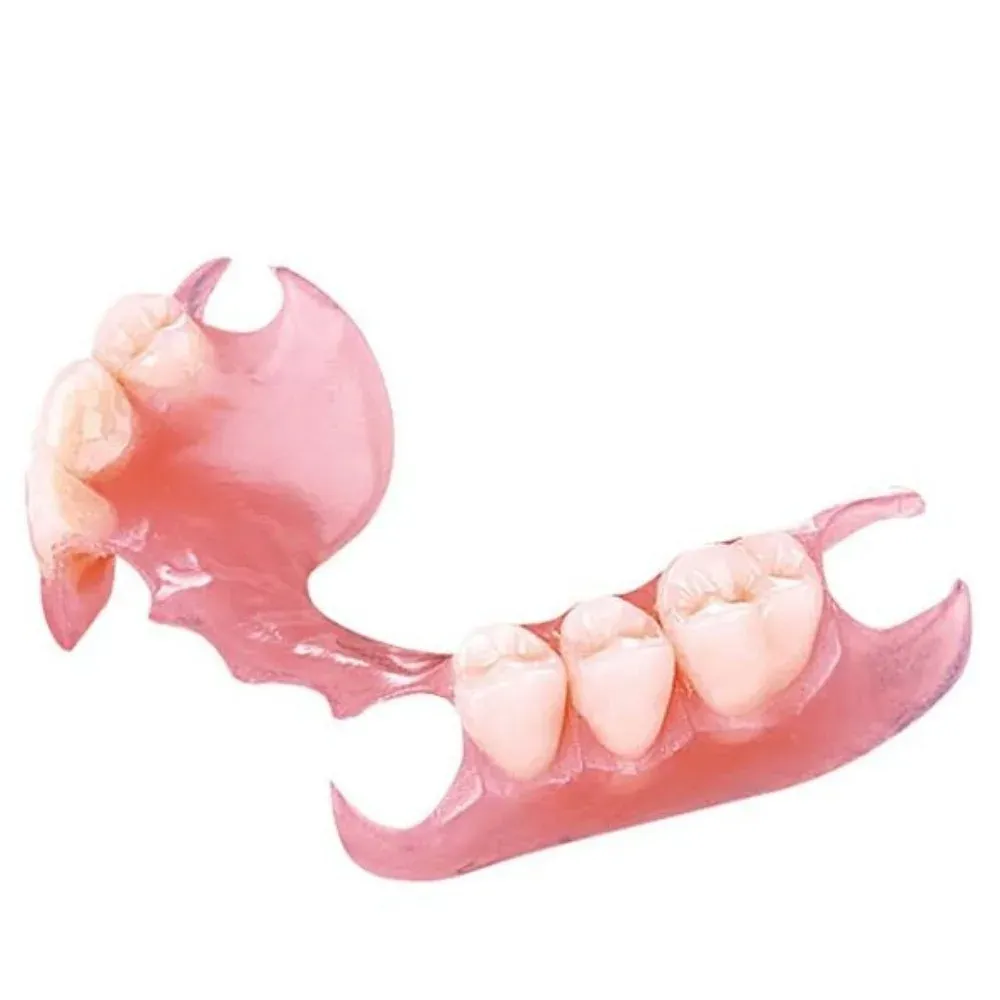
Acrylic Partials

The transitional workhorse of a busy dental practice — an acrylic base with wire clasps that adjusts, relines, and takes added teeth as the arch changes around it.

An acrylic partial carries a patient through the middle of treatment — after extractions, during healing, while a definitive plan is still being staged. Its virtue is adaptability: it adjusts, relines, and accepts added teeth as the arch changes.

Jahn De Khudikine, Founder · Universal Dental Lab
Jahn De Khudikine Founder · Universal Dental Lab

Why send it here

Your transitional case, carried by one technician who designs for what comes next.

A practice's schedule lives or dies by the lab — I've watched one late case push back a whole day of chair time.

So I still know the cases moving through this lab, and I answer for how each one is made. Send a case here and it doesn't drop into a queue — it lands with me and one technician who carries it start to finish.

Start a case
Relines & adds teeth
Acrylic adjusts, relines, and takes added teeth as the arch changes The transitional base built to keep pace with the plan
Set to your bite
Teeth set to your prescribed occlusion, base fit verified on the model Immediate partials set against the pre-extraction record
Your technician
One person holds your case Reach them directly — no call-center queue
Free scanner
3Shape TRIOS 6 for partners Go fully digital at no cost

Option Comparison

Acrylic, Cast Framework, or Flexible?

How long it must last, and how much it must do, decides this. Pick the base the case needs — we make all three.

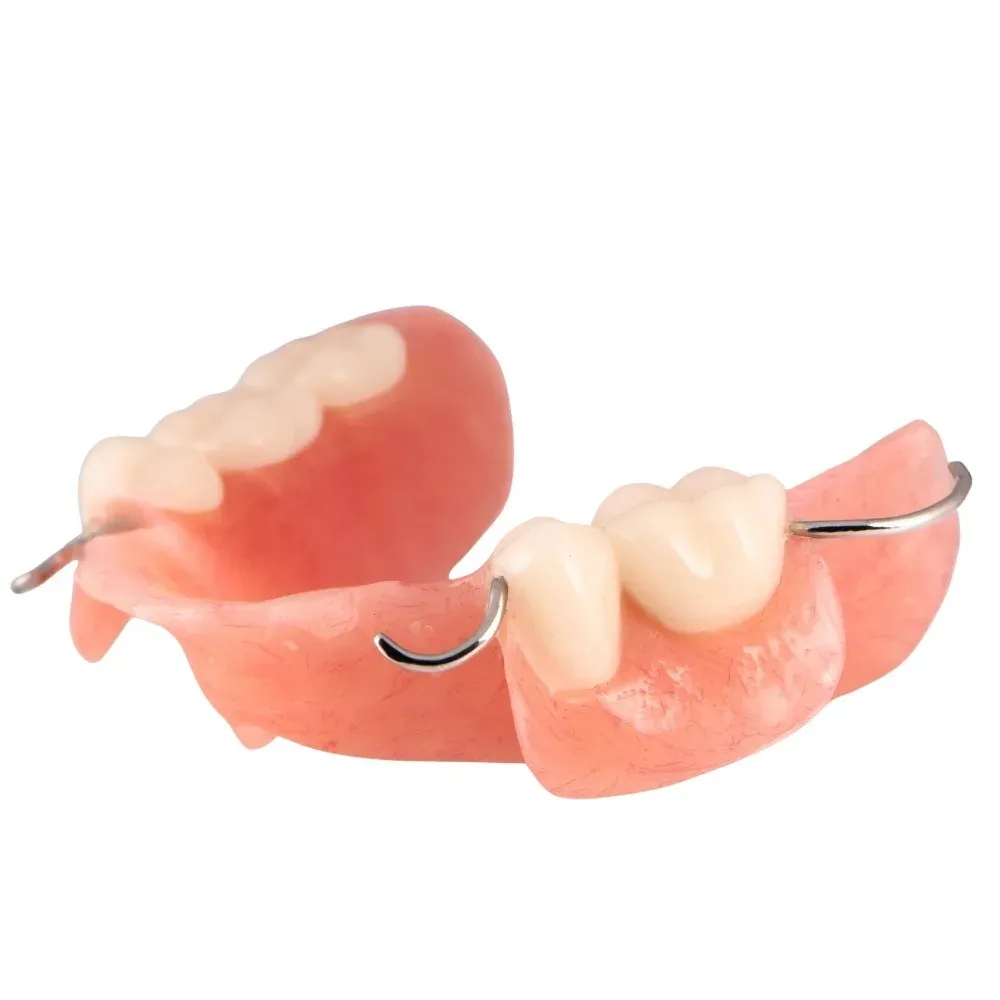
Acrylic partial with wrought wire clasps on the master model
Acrylic Partials You are here
Cast cobalt-chrome partial framework on the model
Cast Partial Frameworks
Flexible nylon partial with tissue-toned clasps
Valplast Partials
Base material Acrylic (PMMA) + wire clasps Cast / milled CoCr Flexible nylon
Flexibility Limited rigid base, tissue-borne Limited rigid by design, rest-supported Good metal-free, hidden clasps
Best for Healing, staged treatment, adding teeth Definitive, rigid support, long-term wear Esthetics, no visible metal clasp

An acrylic partial is interim and transitional by design; a cast framework is the definitive, rest-supported option. Confirm the treatment sequence with the lab when you send the case.

Base
Acrylic (PMMA) + denture teeth
Support
Tissue-borne (interim)
Clasps
Wrought wire
Turnaround
Quoted per case at intake
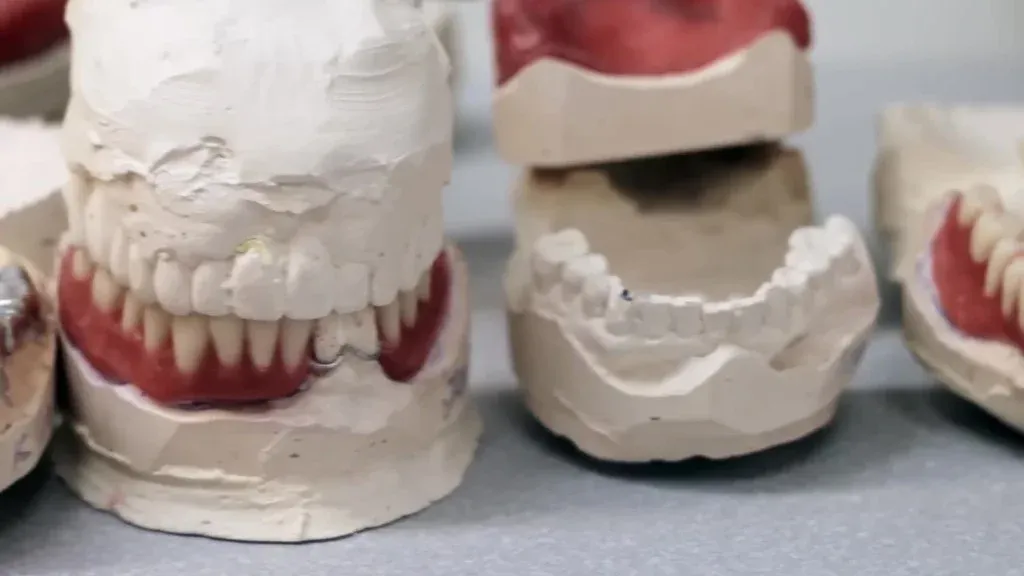
Acrylic partial denture with wire clasps on the master model

Overview

Built for the Stage Between Stages

Treatment rarely finishes in one appointment. An acrylic partial is the prosthesis that carries a patient through the middle of it — after extractions, during healing, while a definitive plan is still being staged.

We process acrylic partial dentures on a PMMA base with denture teeth and wrought wire clasps where retention is needed. Its virtue is adaptability, not rigidity.

  • Adjusts and relines: Acrylic relines as the ridge resorbs and adjusts easily chairside — exactly what a transitional prosthesis has to do.

  • Accepts added teeth: Teeth are added to the partial as further extractions occur, so the appliance keeps pace with the arch.
Learn more
A technician setting denture teeth to the prescribed occlusion

At the Bench

Set to Your Occlusion, Ready to Change

Teeth are set to the prescribed occlusion and the base is processed and fit-checked on the model. Because the case is transitional, the design anticipates what comes next — relines as the ridge heals, and teeth added as further extractions occur.

  • Immediate partials: Set against the pre-extraction record so the appliance is ready at the surgical appointment.

  • Wire clasps: Adapted to the planned undercuts — clasp placement is the retention plan and the esthetic compromise.

  • Built to change: Designed to accept relines and added teeth as the treatment sequence moves forward.

Learn more

Be clear-eyed about what it is

The acrylic base is largely tissue-borne, without the rest support a cast framework gives, so it is an interim solution by design rather than a definitive one worn for years. Where the partial is meant to last, a cast framework serves the patient and their abutments far better — and we will say so.

Case Selection

When an Acrylic Partial Is the Right Call

Indicated for

  • Transitional partials during healing, extraction sequencing, or staged treatment
  • Interim prosthetics while a definitive cast or implant plan is being completed
  • Cases where teeth will be added to the partial as further extractions occur
  • Cost-sensitive situations needing a functional removable replacement now
  • Immediate partials placed at the time of extraction

Consider an alternative when

  • The partial is the definitive, long-term prosthesis — a cast framework gives proper rest support
  • A visible wire clasp in the esthetic zone is unacceptable — a flexible or acetal partial hides metal
  • The arch needs rigid cross-arch stabilization under load
  • Long-term tissue health matters and a tissue-borne acrylic base would accelerate ridge resorption

Specifications

Acrylic Partial Specifications

Material, support, and record data for planning the interim partial chairside.

Typical parameters for the acrylic partials we process.
Material Heat-cured or processed acrylic (PMMA) denture base with denture teeth; wrought wire clasps where retention is needed
Rigidity & support Primarily tissue-borne with limited rigidity; the acrylic base rests on the ridge rather than transferring load through rests to abutments
Clasps Wrought wire clasps adapted to engage undercuts; visible metal in the esthetic zone is the usual trade-off
Adjustability The key advantage — acrylic is easy to adjust, reline, repair, and add teeth to as an arch changes
Intended service Interim and transitional by design; not intended as a definitive long-term prosthesis
Immediate use Can be fabricated for placement at the time of extraction, then relined as the ridge heals
Cost Among the most economical removable options, which is part of why it suits transitional treatment
Records Master impression or intraoral scan, opposing arch, bite registration, shade, and the teeth to be replaced
Restoration types Transitional and interim removable partial dentures, including immediate partials
Turnaround Quoted per case at intake

Acrylic partials are interim and transitional by design; long-term wear of a tissue-borne base has ridge and abutment implications. Confirm the treatment sequence with the lab when you send the case.

Case Submission

Sending an Acrylic Partial Case

We accept scans from all major intraoral systems, including iTero, 3Shape, and Medit — or a master impression, which many practices still prefer for removable work.

Include with the case:

  • Master impression or STL of the arch and the opposing arch
  • Bite registration
  • Shade for the denture teeth
  • The teeth being replaced — and, for an immediate, the teeth being extracted
  • Where you want wire clasps, plus the surgical date if immediate

For an immediate partial, the pre-extraction record and the surgical date are what we schedule and design against. New to the lab? Open an account and we will walk you through the first case.

Start a case

Send one case. Keep the scanner.

Open a partner account and your first case moves with a shade record and our remake guarantee — if a unit does not seat, we redo it at no charge.

  • Free 3Shape TRIOS 6 scanner for active partners
  • Under-2% remake rate — remakes at no charge
  • One named technician you reach directly — no call center

Prefer to talk? +1 747-268-0808

No call center — you hear back from the lab, not a bot.

Acrylic Partial FAQ

Acrylic Partials — Questions Dentists Ask

Treat it as interim unless you and the patient have a clear reason otherwise. Acrylic adjusts, relines, and accepts added teeth easily, which is why it suits staged treatment. If the case is really definitive, a cast framework usually serves the patient better than an acrylic base worn for years — and we will say so.

A pre-extraction record is essential — we set the teeth against the arch as it exists before the extractions. Send the surgical date, which teeth are coming out at placement, shade, bite, and where you want wire clasps. Immediate cases are scheduled to the extraction date, not a standard queue.

Clasp placement is both the retention plan and the esthetic compromise. Note preferred abutments and which surfaces must stay clear of metal in the smile line. We will propose a clasp plan that holds without putting wrought wire on the facial of a central if we can avoid it.

Yes — that is one of acrylic’s strengths. If the plan is extractions now, healing, then a cast partial or implants, design the acrylic partial for the sequence, including room for later additions. Send the treatment plan with the case.

Faster than a new partial. Acrylic partials are among the quicker removable cases overall; additions and relines to an existing base are faster still.

Denture relines

Switching labs, de-risked

New to us? Send the impression or scan with the teeth to be replaced and your timeline. We build the interim prosthesis and design it for what comes next — and if the case is really a definitive one, we will tell you a cast framework serves the patient better.

Partner Offer

A Free Intraoral Scanner for Partner Practices

Partner with Universal Dental Lab and we place a 3Shape TRIOS 6 Wireless in your operatory — free for the length of our partnership. Scan the prep, send it in seconds, and skip impressions entirely.