

E.max Veneers

Strength is what lets a case go thin. Lithium disilicate gives dentists a minimal-prep veneer that survives the try-in, the seat and the years after it.

Every conservative veneer runs into the same wall: the thinner it is, the more fragile it is. Lithium disilicate moves that wall — you buy thinness with material strength instead of tooth structure.

Jahn De Khudikine, Founder · Universal Dental Lab
Jahn De Khudikine Founder · Universal Dental Lab

Why send it here

Thin e.max that reads gray failed on translucency. We layer it to the prep depth you leave.

A practice's schedule lives or dies by the lab — I've watched one late case push back a whole day of chair time.

So I still know the cases moving through this lab, and I answer for how each one is made. Send a case here and it doesn't drop into a queue — it lands with me and one technician who carries it start to finish.

Start a case
Etchable glass
A true adhesive bond to enamel — lithium disilicate etches; zirconia cannot Ingot opacity chosen against the stump shade you send
Thin, not fragile
Material strength lets a minimal-prep veneer survive try-in and seating Pressed or milled, then stained and glazed or cut back and layered
Your technician
One person holds your case Reach them directly — no call-center queue
Free scanner
3Shape TRIOS 6 for partners Go fully digital at no cost

Material Comparison

E.max, Porcelain or Composite?

Strength, thinness and esthetic ceiling pull against each other. The trade-off between the three veneer materials, in one table — we make all three.

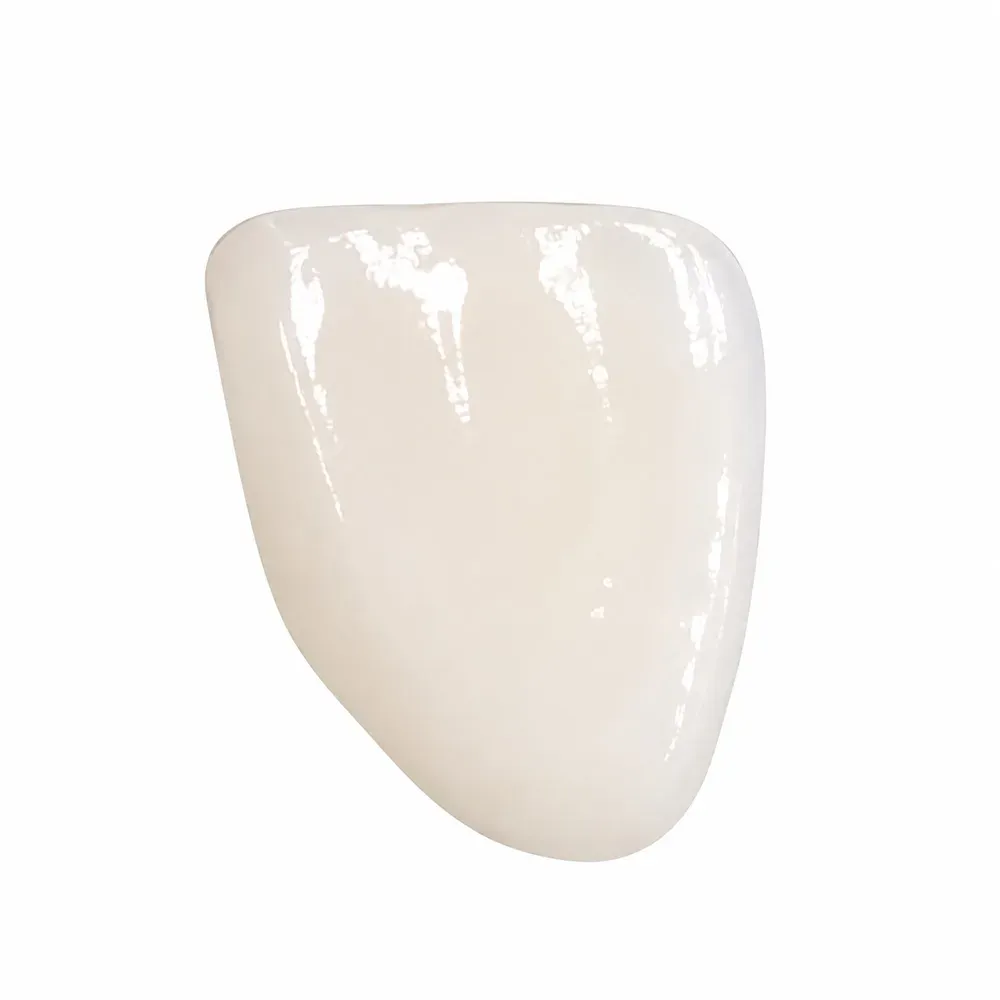
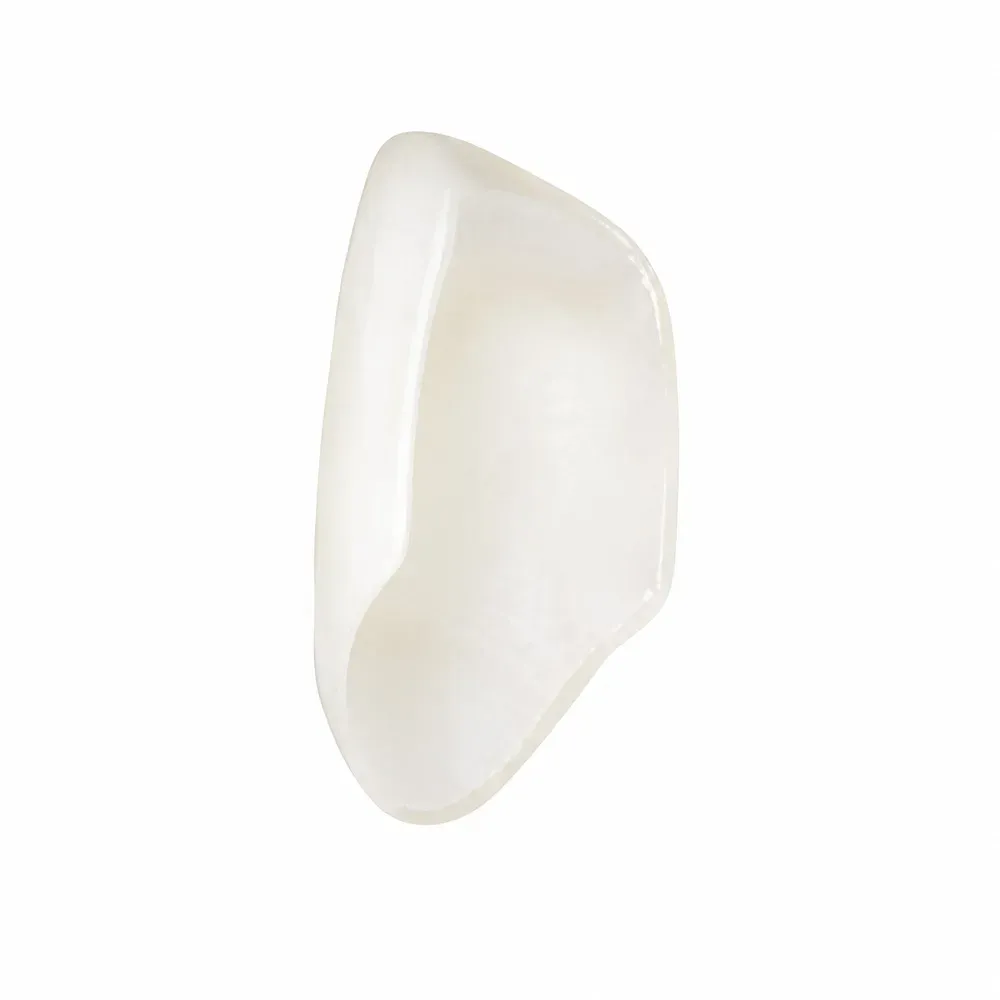
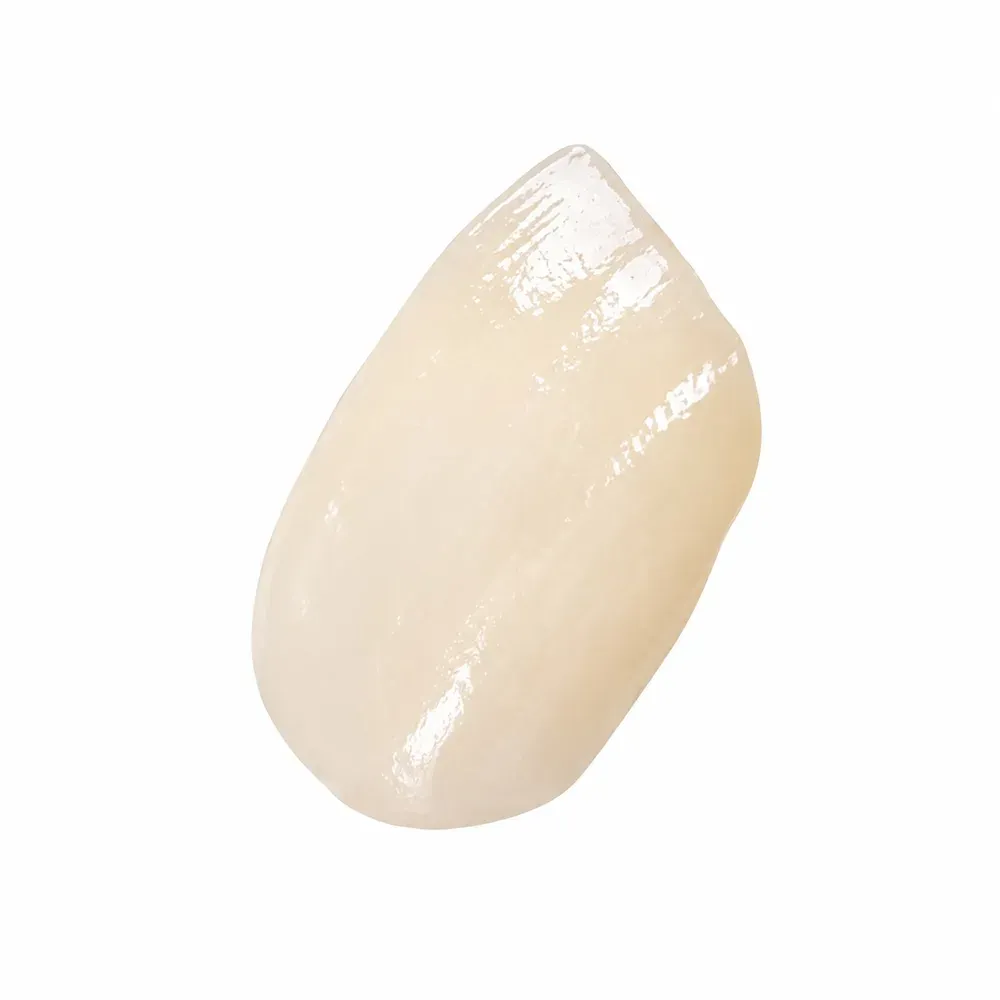
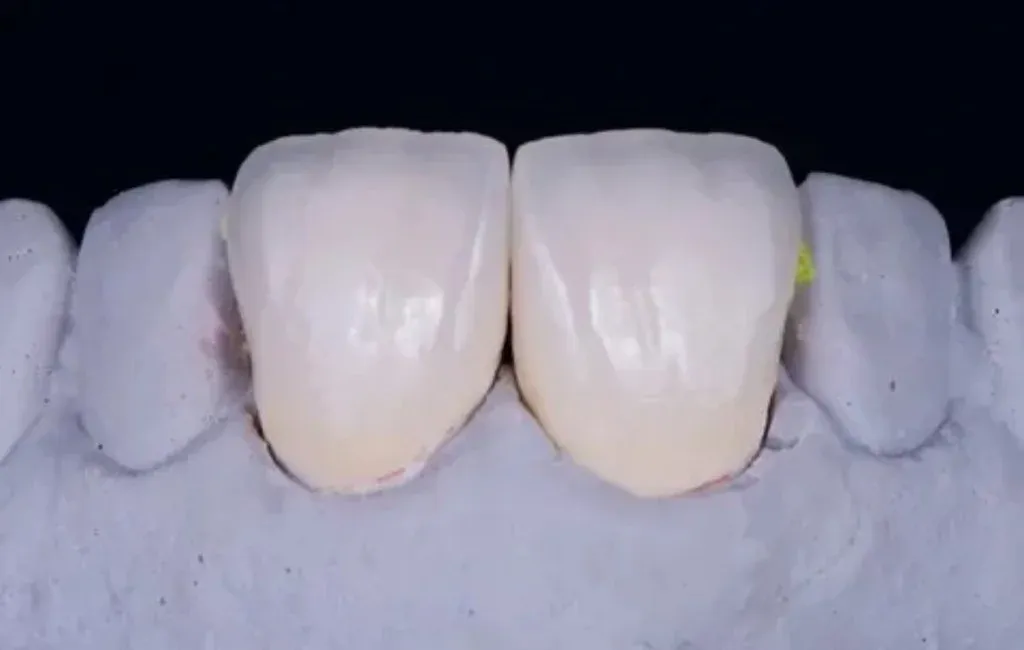
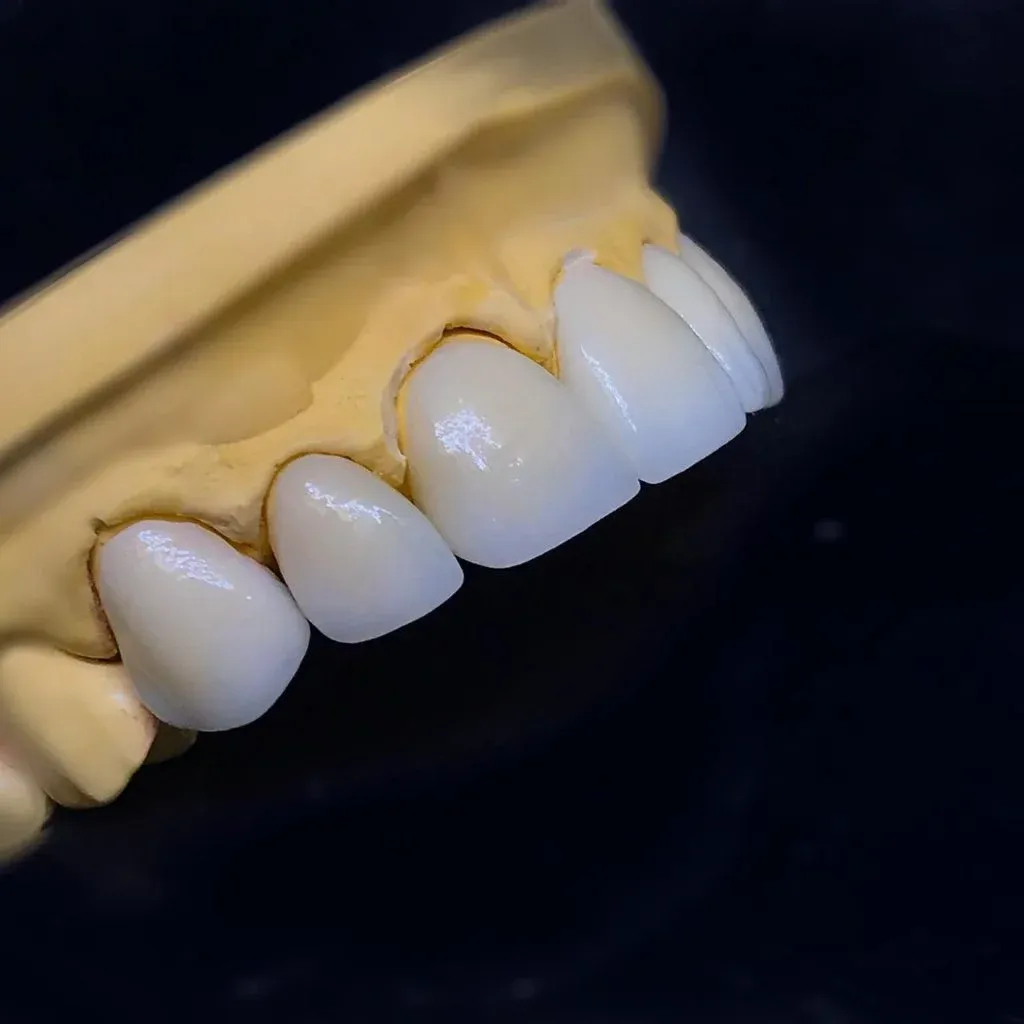
Minimal-prep IPS e.max veneers under daylight-balanced light
E.max Veneers You are here
Hand-layered feldspathic porcelain veneers on the model
Porcelain Veneers
Direct composite veneer facing on an anterior tooth
Composite Veneers
Typical flexural strength ~400 MPa lithium disilicate Relies on the enamel bond; fragile before cementation Lower than any glass ceramic
How thin it can go Thin, minimal-prep — no-prep in additive cases Needs prep room to layer into Additive by nature; conservative or no prep
Esthetic approach Monolithic stain-and-glaze, or cut back and layered Hand-layered — the highest esthetic ceiling Repairable chairside; will not hold gloss like ceramic

Flexural strength varies by manufacturer, ingot and processing protocol — the figure above is a typical published value, not a guarantee for a specific case. Confirm ingot opacity against the stump shade with the lab before you prep a thin design.

Material
Lithium disilicate glass ceramic
Flexural strength
~400 MPa
Facial reduction
0.3–0.5 mm; no-prep possible
Turnaround
Quoted per case at intake
Minimal-prep IPS e.max veneers under daylight-balanced light

Overview

Thin Because the Material Allows It, Not Because We Risked It

Every conservative veneer design hits the same wall: the thinner the restoration, the more fragile it is. Lithium disilicate moves that wall. A thin monolithic section still has real structural integrity — it tolerates handling, try-in and seating in a way a hand-layered shell of the same thickness does not.

You buy thinness with material strength instead of tooth structure. That is what makes the additive cases work — closing a diastema, lengthening a worn incisal edge, building out a peg lateral.

  • Pressed: From e.max ingots — fine control for an anterior unit that will be cut back and layered.

  • Milled: From e.max blocks — keeps a monolithic case fully digital.
Learn more
A ceramist selecting an ingot opacity against a stump shade

At the Bench

The Ingot Is Chosen Against Your Stump Shade

Lithium disilicate is translucent — that is what makes it beautiful and what makes a dark prep a problem. The substrate reads through a thin veneer, and no amount of surface stain hides it. So the ingot opacity is chosen against the stump shade you send.

If the stump shade tells us a 0.3 mm veneer will not mask the tooth beneath it, we say so at intake — not after you have prepped.

  • Ingot selection: Opacity chosen against the stump shade — higher opacity to mask a dark prep, higher translucency in the esthetic zone.

  • Monolithic vs layered: Monolithic where the section is thin; cut back and layered where the smile line asks for depth.

  • Try-in ready: Contacts and emergence checked on the articulated model, and the case supplied for try-in paste so value is confirmed before cementation.

Learn more

Before you cement

Unlike zirconia, lithium disilicate etches. Etch the intaglio with hydrofluoric acid, apply silane, then bond with resin cement — and bond to enamel wherever you can, since a thin veneer gets its retention from adhesion, not from the preparation.

Case Selection

When E.max Is the Right Call

Indicated for

  • Minimal-prep and no-prep designs where the restoration has to be thin and still survive
  • Additive cases — closing diastemas, lengthening worn incisal edges, correcting peg laterals
  • Anterior units that will take some load, where a layered shell would be a risk
  • Practices that want a monolithic veneer with a cut-back option only where it is needed
  • Cases needing a material that handles safely between the lab, the try-in and the bond

Consider an alternative when

  • The case is about maximum esthetic depth and there is prep room for layering — hand-built porcelain has a higher ceiling
  • The underlying tooth is severely discolored and the veneer is thin, since lithium disilicate is translucent
  • The plan is additive, diagnostic or meant to be reversible — a composite facing is more honest
  • The bonding surface is mostly dentin, which undermines the adhesive bond any glass ceramic depends on

Specifications

E.max Veneer Specifications

Material, preparation and bonding data for planning a minimal-prep anterior case.

Typical values for the lithium disilicate veneers we press and mill.
Material IPS e.max lithium disilicate — pressed from ingots or milled from blocks, then stained and glazed, or cut back and layered on the facial
Typical flexural strength Approx. 400 MPa (typical published value for lithium disilicate) — high enough to support thin veneer sections
Facial reduction Approximately 0.3–0.5 mm is achievable, and no-prep designs are possible where the case is purely additive
Ingot / block selection Chosen against the stump shade and the target shade — higher opacity to mask a dark prep, higher translucency in the esthetic zone
Bonding Etch the intaglio with hydrofluoric acid, apply silane, and bond with resin cement. Lithium disilicate is etchable — this is a genuine adhesive restoration
Finishing Monolithic with stain and glaze for strength, or cut back on the facial and layered with feldspathic porcelain where depth is needed
Handling Tolerates try-in and seating far better than a thin layered shell — the practical advantage in a multi-unit case
Shade records Calibrated photographs with a tab in frame, plus a stump shade for every prep — translucency means the substrate shows
Turnaround Quoted per case at intake — monolithic units move faster than cut-back and layered anterior work

Flexural strength varies by manufacturer, ingot and processing protocol — the figure above is a typical published value, not a guarantee for a specific case. Confirm ingot opacity against the stump shade with us before committing to a thin design.

Case Submission

Sending an E.max Veneer Case

Scans from iTero, 3Shape and Medit, or a conventional impression. On a minimal-prep case, the stump shade matters more than almost anything else you send.

Send with the case:

  • Scan or impression of the prepared arch, the opposing arch, and a bite record
  • A stump shade for every prep — this drives our ingot selection
  • Calibrated shade photographs with a tab in frame
  • The wax-up or mockup where the case is additive, so we know what is being added and where
  • A note if the design is intended as no-prep

The mistake we see most on minimal-prep cases is a design committed to before anyone checked whether the substrate could be masked at that thickness. Send the stump shade first and we will tell you what is realistic. Upload the case, or open an account to get set up.

Start a case

Send one case. Keep the scanner.

Open a partner account and your first case moves with a shade record and our remake guarantee — if a unit does not seat, we redo it at no charge.

  • Free 3Shape TRIOS 6 scanner for active partners
  • Under-2% remake rate — remakes at no charge
  • One named technician you reach directly — no call center

Prefer to talk? +1 747-268-0808

No call center — you hear back from the lab, not a bot.

E.max Veneer FAQ

E.max Veneers — Questions Dentists Ask

On the right case, yes — and the qualifier matters. No-prep works when the case is genuinely additive: closing a diastema, lengthening a worn incisal edge, building out a peg lateral, restoring a tooth that sits palatal to the arch form. It does not work when the tooth is already in the correct position and adding material would simply make it bulky, or when a dark substrate needs masking. Send us the photos and a wax-up, and we will tell you whether the case is additive or whether it needs reduction.

Because the material carries its own strength. Lithium disilicate has a typical published flexural strength around 400 MPa, so a thin monolithic section still has structural integrity — it survives handling, try-in and seating in a way a thin hand-layered shell does not. Layered porcelain gets its beauty from the layers, and layers need room. E.max lets you buy thinness with material strength rather than with tooth structure.

Within limits, and the limits are set by thickness. Higher-opacity ingots exist and we select against your stump shade, but opacity needs somewhere to live — a 0.3 mm veneer over a dark prep is fighting physics. On a severely discolored substrate the realistic options are more reduction to make room for opacity, or a full-coverage restoration. Send us the stump shade before you commit to a minimal-prep design, and we will tell you honestly whether it will mask.

Etch the intaglio with hydrofluoric acid, apply silane, and use a resin cement — light-cure for thin veneers, so you control the working time. Unlike zirconia, lithium disilicate has a glass phase and genuinely etches, which is what makes the adhesive bond reliable. And as with any veneer, bond to enamel wherever you can: the restoration is thin and retention comes from adhesion, not from the preparation.

Monolithic keeps the material at full strength and is the right default for thin veneers and anything taking load. Cutting back the facial and layering feldspathic porcelain buys internal depth and incisal effects that a stained monolithic surface cannot fully reproduce — at the cost of some strength in the layered zone. Most anterior cases land somewhere sensible: monolithic where it is thin, cut back where the smile line demands it. Tell us the priority and we will design accordingly.

Compare hand-layered porcelain

Switching labs, de-risked

New to us? If a veneer does not seat, we remake it at our cost when it is a lab error. We keep a shade record for your practice, so the second case starts from what worked on the first. See what the remake policy covers.

Partner Offer

A Free Intraoral Scanner for Partner Practices

Partner with Universal Dental Lab and we place a 3Shape TRIOS 6 Wireless in your operatory — free for the length of our partnership. Scan the prep, send it in seconds, and skip impressions entirely.