

PFM Crowns

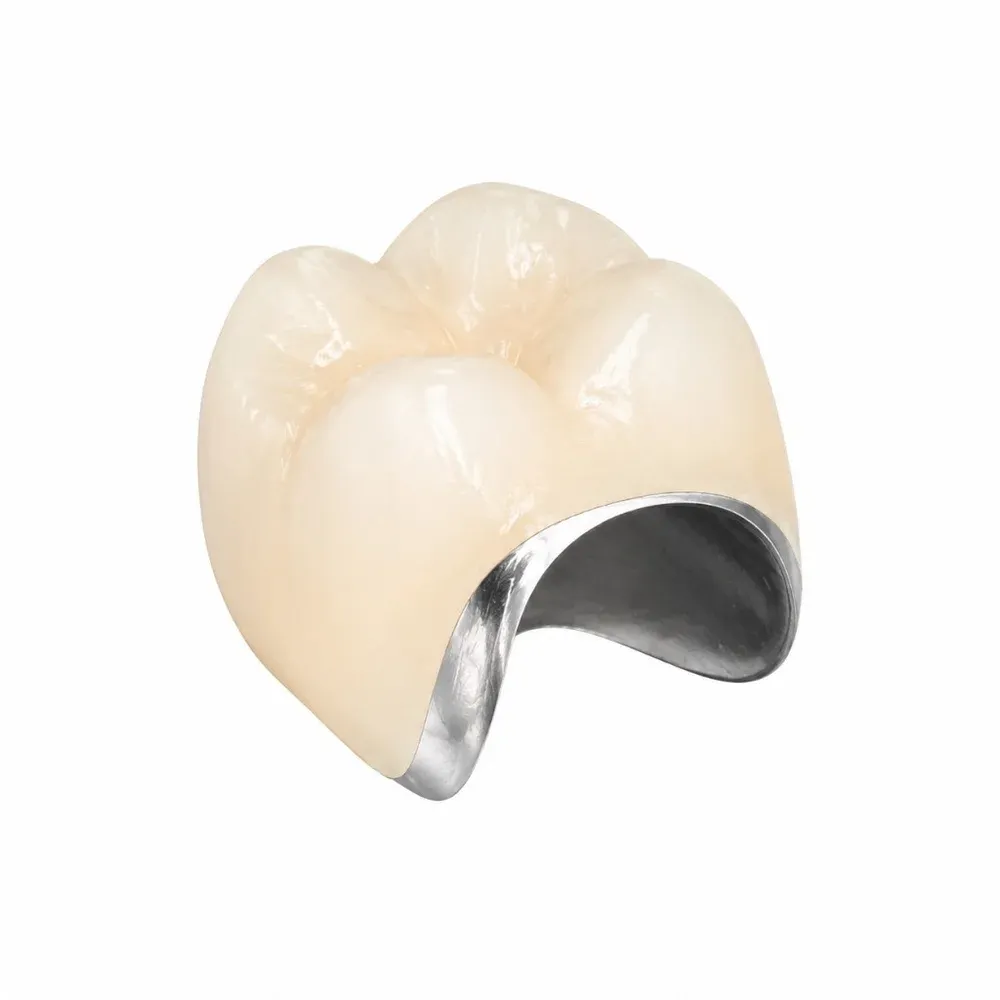
A cast metal coping under stratified porcelain — the restoration dentists still reach for on posterior units and bridges where proven durability leads.

Porcelain fused to metal is still the workhorse of fixed prosthodontics where reliability leads. A cast coping carries the load; layered porcelain does the esthetics — a sound call for durable posterior units and bridge frameworks.

Jahn De Khudikine, Founder · Universal Dental Lab
Jahn De Khudikine Founder · Universal Dental Lab

Why send it here

PFM lives or dies at the margin and the porcelain shoulder. We cast and layer to both.

A practice's schedule lives or dies by the lab — I've watched one late case push back a whole day of chair time.

So I still know the cases moving through this lab, and I answer for how each one is made. Send a case here and it doesn't drop into a queue — it lands with me and one technician who carries it start to finish.

Start a case
Cast coping
A rigid metal substructure carries the load; porcelain does the esthetics Rigid enough for a multi-unit bridge framework
Stratified porcelain
Layered and fired in stages, shade-matched to your photos Coping margin verified on the die before ceramic
Your technician
One person holds your case Reach them directly — no call-center queue
Free scanner
3Shape TRIOS 6 for partners Go fully digital at no cost

Material Comparison

PFM, PFZ, or Zirconia?

The three most common ways to restore a durable unit. We make all three — the metal margin is the deciding factor as often as strength.

PFM crown, cast metal coping under stratified porcelain
PFM Crowns You are here
PFZ crown, zirconia core layered with porcelain
PFZ Crowns
Monolithic zirconia crown on the master model
Zirconia Crowns
Structure Cast metal coping + porcelain Zirconia coping + porcelain Monolithic zirconia
Esthetics Good opaque core limits depth Very good no metal margin Good to excellent
Best for Proven durability, bridges, posterior Metal-free esthetics with layered depth Occlusal load, bruxism, implants

Esthetics and structure vary by alloy, framework and porcelain thickness. Confirm case-specific requirements with the lab before you prep.

Substructure
Cast metal coping (lost-wax)
Occlusal reduction
1.5–2.0 mm
Margin
Metal collar or porcelain butt
Turnaround
Quoted per case at intake
PFM crowns, cast copings veneered with stratified porcelain

Overview

The Restoration That Has Outlasted Every Trend

Porcelain fused to metal has been the workhorse of fixed prosthodontics for decades, and it still is where reliability matters more than maximum translucency. A cast metal coping carries the load; layered porcelain does the esthetics.

It is not the answer for every case anymore — a layered zirconia or PFZ now covers much of what PFM once owned in the esthetic zone, without a metal margin to manage. But for a durable posterior unit, a patient who has fractured all-ceramic before, or a bridge that wants a cast framework, PFM remains a sound, honest choice.

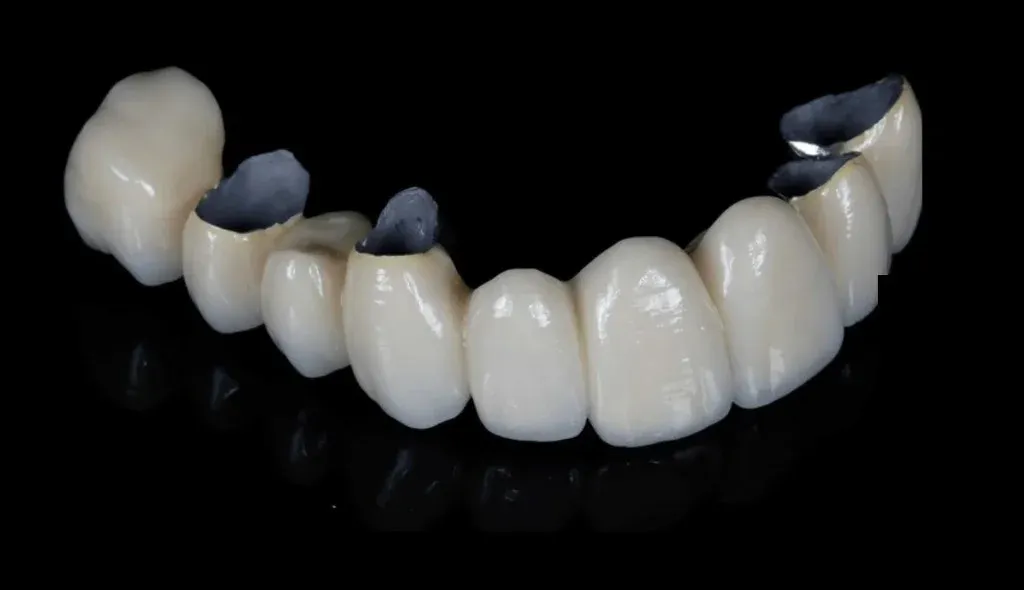
  • Cast substructure: A coping cast to precise margins by lost-wax — dependable under posterior load and rigid enough for a multi-unit bridge framework.

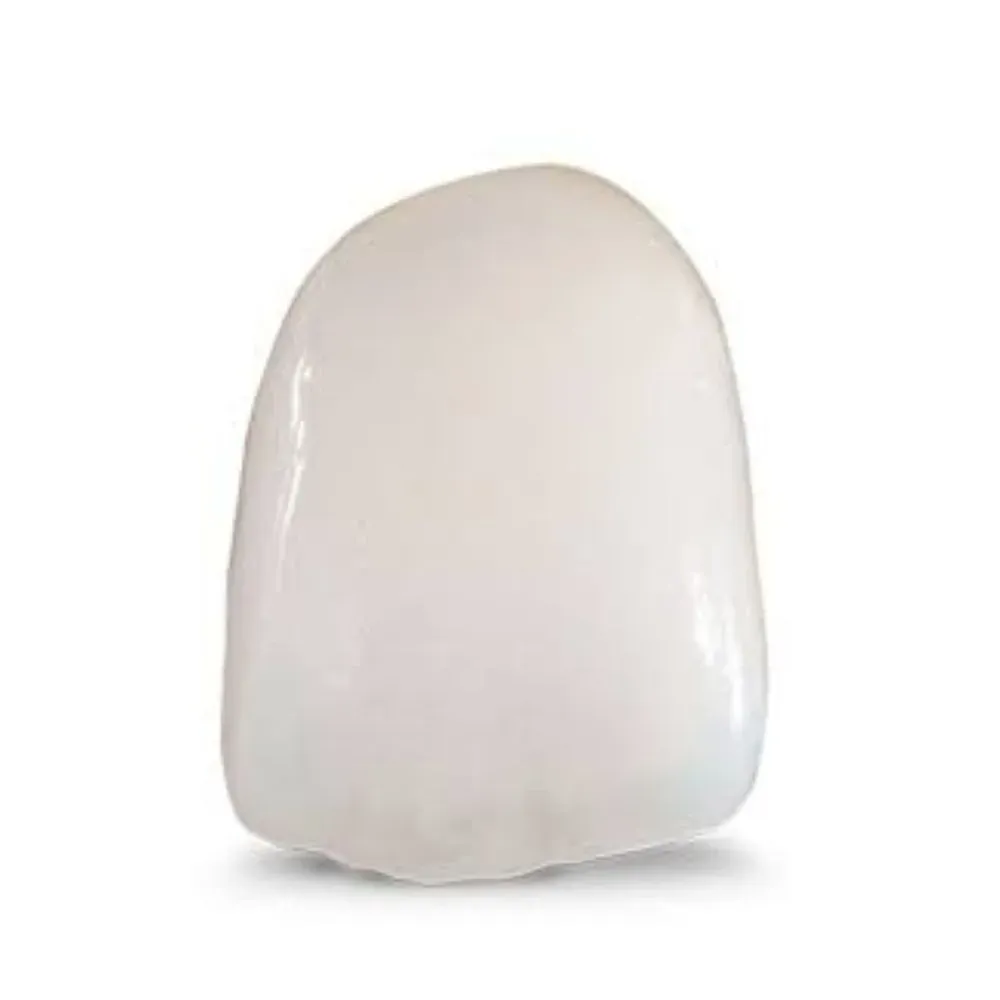
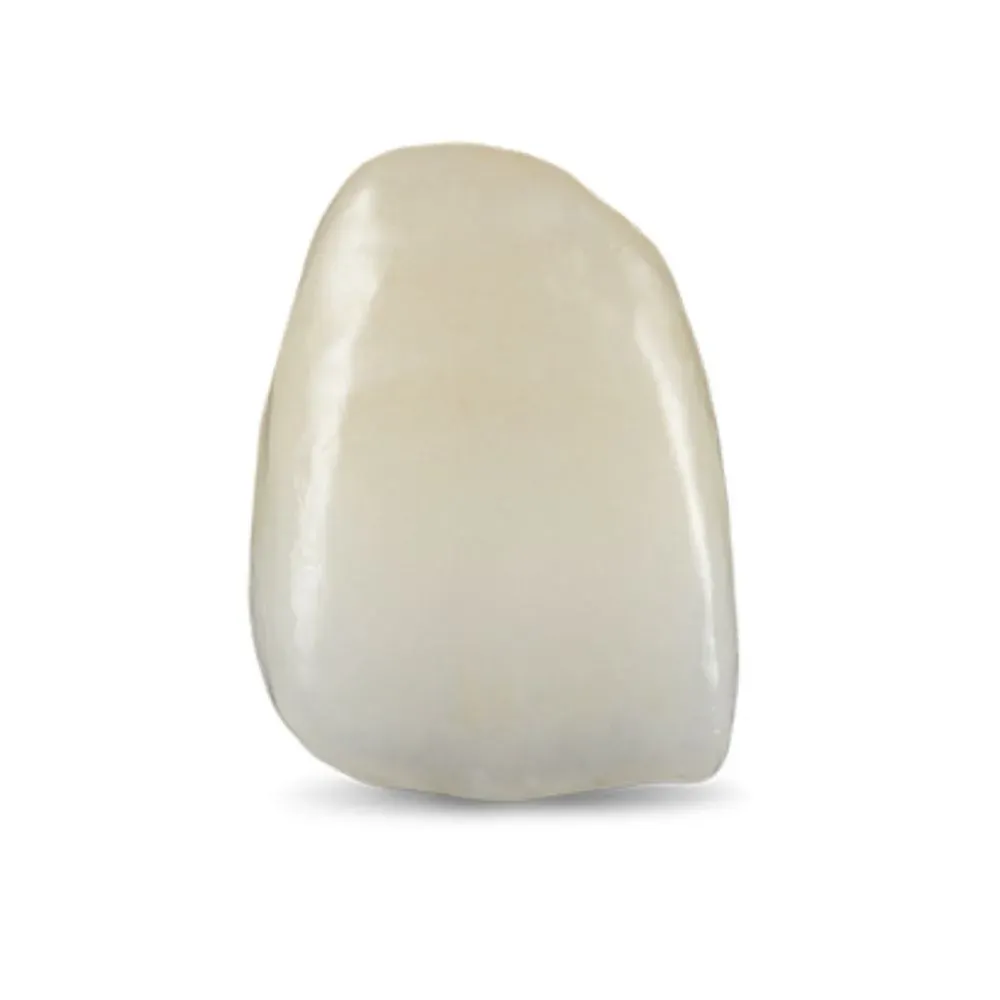
  • Stratified porcelain: Layered and fired in stages to the prescribed shade over the coping.
Learn more
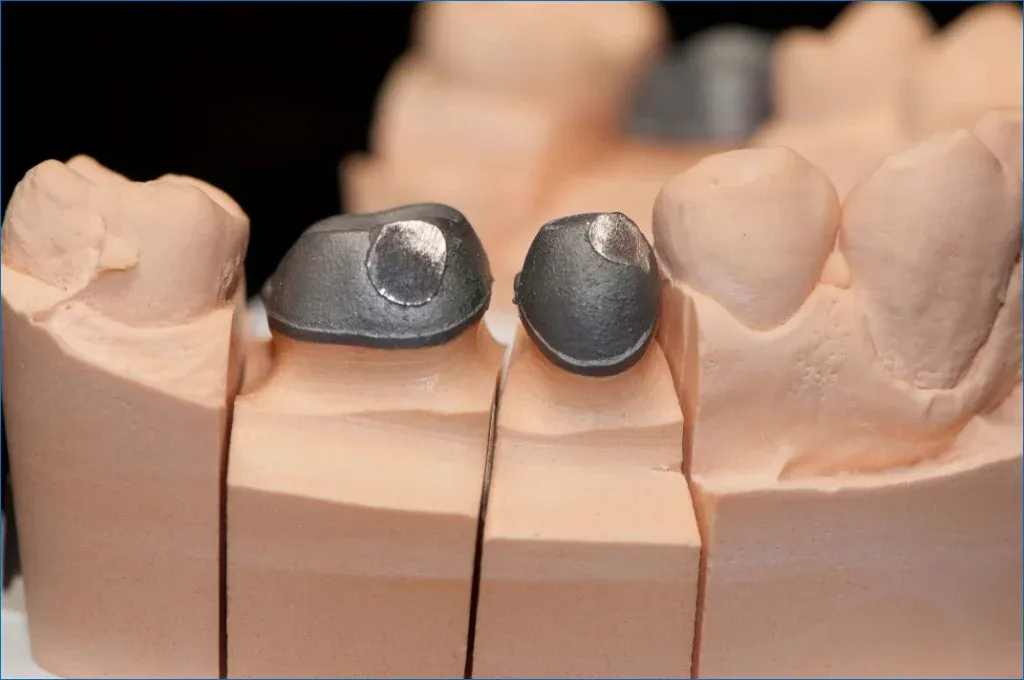
A cast metal coping being fit-checked on the die before porcelain

At the Bench

Cast Coping, Layered Porcelain

The coping is waxed, cast, and fit-checked on the model before a single layer of porcelain goes on. Then the ceramic is built and fired in stratified stages, stained, and glazed to match the adjacent dentition.

  • Coping margin adaptation: Verified on the die before any porcelain goes on.

  • Porcelain firing: Layered and fired in controlled cycles for the prescribed shade.

  • Shade and glaze: Confirmed against your photos before the unit is glazed.

Learn more

Before you prep

A PFM stacks a metal coping and a porcelain layer, so it wants more clearance than an all-ceramic unit. Tell us where the margin sits relative to the tissue — it drives the metal-vs-porcelain margin decision and the long-term esthetics.

Case Selection

When PFM Is the Right Call

Indicated for

  • Single posterior units where a proven, durable restoration is the priority
  • Multi-unit bridges needing a rigid cast framework
  • Cases with a history of porcelain fracture on full-ceramic restorations
  • Retentive preparations where a conventional cementation protocol is preferred
  • Situations where a metal collar at the margin is clinically acceptable

Consider an alternative when

  • Maximum anterior translucency drives the case — e.max or a layered zirconia reads better
  • A metal-free restoration is preferred and a PFZ or zirconia will meet the demand
  • The margin sits high in the esthetic zone where a metal edge could show over time
  • A conservative, adhesively bonded preparation is the plan

Specifications

PFM Crown Specifications

Preparation, alloy, and cementation data for planning the case chairside.

Typical parameters for the metal-ceramic crowns we fabricate.
Substructure Cast metal coping — high-noble, noble, or base-metal alloy — produced by lost-wax casting
Veneering Stratified dental porcelain layered and fired to the prescribed shade over the coping
Strength Metal substructure carries the load; porcelain provides the esthetics. A time-tested combination for posterior and bridge work
Occlusal reduction 1.5–2.0 mm to accommodate both the coping and the porcelain layer
Axial reduction 1.2–1.5 mm; more where a porcelain margin is planned
Margin design Metal collar, or a porcelain butt margin in the esthetic zone; defined chamfer or shoulder
Cementation Conventional cements (glass ionomer, resin-modified glass ionomer, or zinc phosphate); retention comes from the preparation
Alloy options High-noble and noble alloys where biocompatibility and bond reliability lead; base-metal alloys where economy and rigidity lead
Restoration types Single units and multi-unit bridges
Turnaround Quoted per case at intake

Reduction figures are typical guidance for metal-ceramic restorations and vary with alloy, margin design, and porcelain thickness. Confirm case-specific requirements with the lab before you prep.

Case Submission

Sending a PFM Case

We accept scans from all major intraoral systems, including iTero, 3Shape, and Medit — or a conventional impression if your practice has not gone digital.

Include with the case:

  • STL or impression of the prepped arch and the opposing arch
  • Bite registration
  • Shade documentation and photographs for the porcelain match
  • Alloy preference — high-noble, noble, or base-metal
  • Margin instruction: metal collar or porcelain margin, and where it sits

Tell us where the margin sits relative to the tissue — it drives the metal-vs-porcelain margin decision and the long-term esthetics. New to the lab? Open an account and we will walk you through the first case.

Start a case

Send one case. Keep the scanner.

Open a partner account and your first case moves with a shade record and our remake guarantee — if a unit does not seat, we redo it at no charge.

  • Free 3Shape TRIOS 6 scanner for active partners
  • Under-2% remake rate — remakes at no charge
  • One named technician you reach directly — no call center

Prefer to talk? +1 747-268-0808

No call center — you hear back from the lab, not a bot.

PFM FAQ

PFM Crowns — Questions Dentists Ask

Porcelain fused to metal crowns still earn their place where a proven, durable restoration matters more than maximum translucency — posterior single units, patients who have fractured full-ceramic before, and multi-unit bridges that benefit from a rigid cast framework. Where the case is esthetic-zone-critical or you want metal-free, a layered zirconia or PFZ is usually the better modern choice. Tell us the tooth and the priority and we will confirm the fit.

High-noble and noble alloys for biocompatibility and a predictable porcelain bond; base-metal for rigidity and economy when cost leads. Note known metal sensitivity or a preferred alloy on the prescription — precious-alloy pricing moves with the market, so ask for current pricing with the case rather than assuming a catalog number.

It can, in the esthetic zone. A metal collar is invisible when the margin sits subgingivally and the tissue is stable, but recession can eventually reveal a thin metal line at the cervical. Where that risk matters, we can design a porcelain butt margin instead, or you can move to a metal-free PFZ or zirconia. Tell us where the margin sits and we will design accordingly.

Plan on more clearance than an all-ceramic unit, because a PFM stacks a metal coping and a porcelain layer — roughly 1.5–2.0 mm occlusally and 1.2–1.5 mm axially, with additional axial reduction where a porcelain margin is planned. Insufficient reduction forces either an over-contoured crown or thin, fracture-prone porcelain. If clearance is tight, tell us before you scan.

The cast coping is fit-checked on the die, then porcelain is layered in stratified firings to the prescribed shade and compared to your photos. Contacts and occlusion are verified on the articulated model; multi-unit bridges with framework try-in add a stage single units skip — tell us the seat date at intake so scheduling matches the build.

Switching labs, de-risked

New to us? If a unit does not seat, we remake it at our cost when it is a lab error. We keep a shade record for your practice, so the second case starts from what worked on the first. See what the remake policy covers.

Partner Offer

A Free Intraoral Scanner for Partner Practices

Partner with Universal Dental Lab and we place a 3Shape TRIOS 6 Wireless in your operatory — free for the length of our partnership. Scan the prep, send it in seconds, and skip impressions entirely.