

Why Rigidity
A KeySplint Holds the Scheme You Prescribed
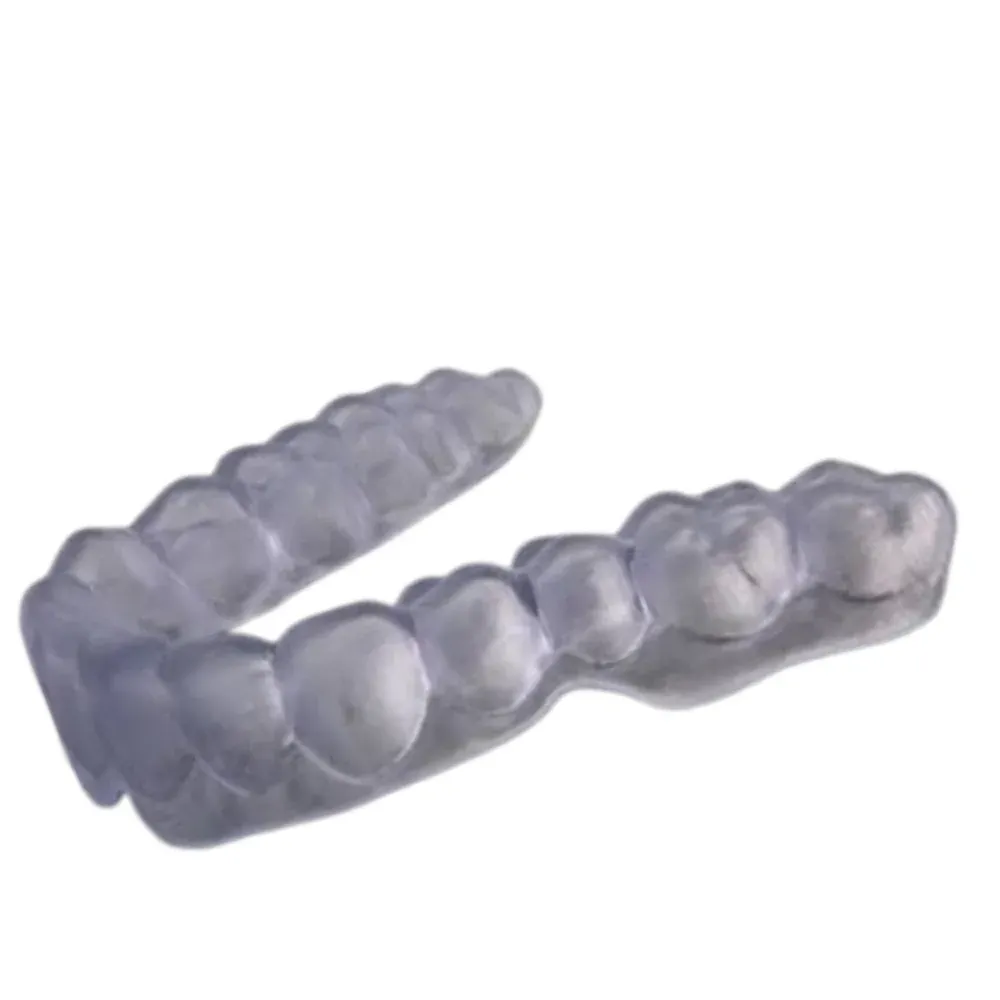
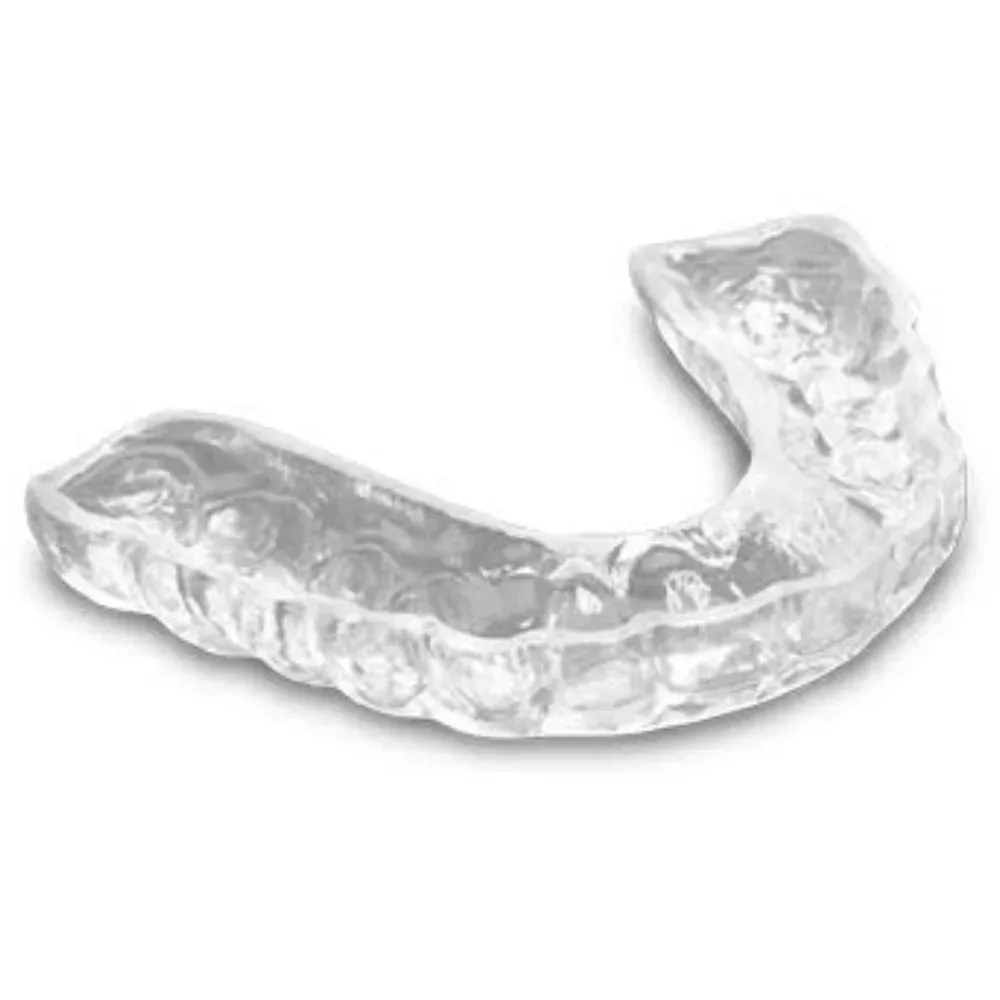
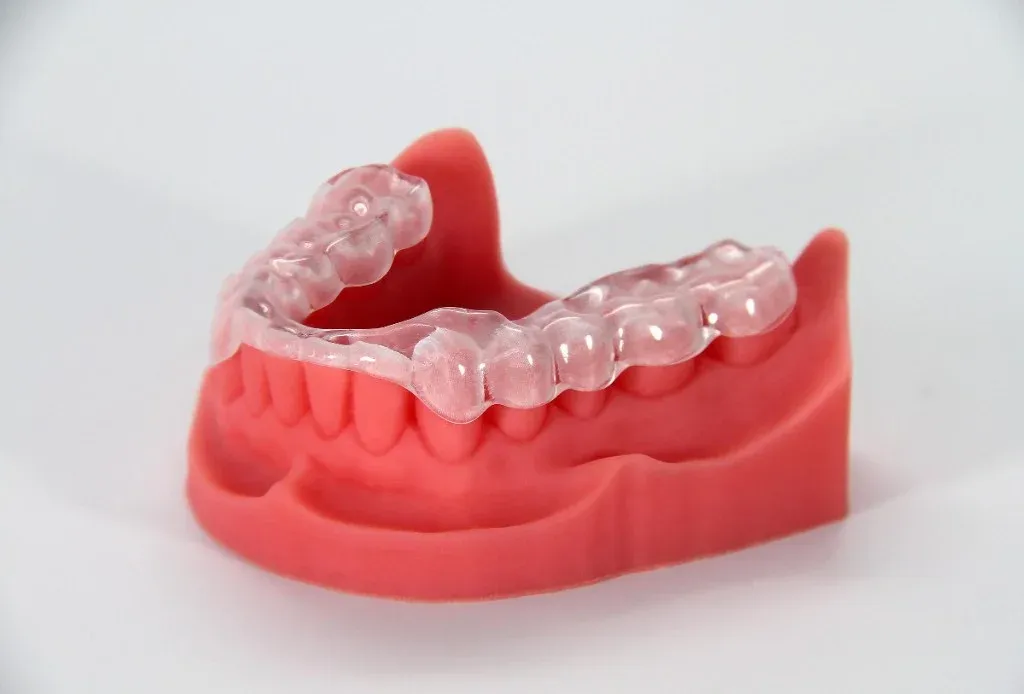
Rigidity is not a durability feature. It is the reason the occlusion you adjusted into the appliance is still the occlusion in the appliance at the review appointment. You establish even bilateral posterior stops, build in anterior guidance, check the appliance against a seated condylar position — and none of it matters unless the splint still presents that scheme under load. A rigid one does, because it barely deflects.
That is the argument for a hard printed splint in deprogramming and TMD management. It is also the argument against using one on every patient.
-
Holds the scheme: A resilient appliance gives every time the patient bites into it, so the contacts you refined are not quite the contacts being loaded. A rigid one presents the same scheme all night.
-
Compliance is the trade: A rigid appliance barely gives, and some patients never make peace with that. When one will not tolerate hardness, step down to KeySplint Soft rather than lose the wear.
-
Printed, then post-cured: We print in a rigid splint resin and post-cure it before finishing — an under-cured splint is not a rigid one.