
Porcelain Veneers

Hand-layered ceramic for the cases dentists cannot afford to get wrong — translucency, halo and characterization built inside the porcelain, not stained onto it.

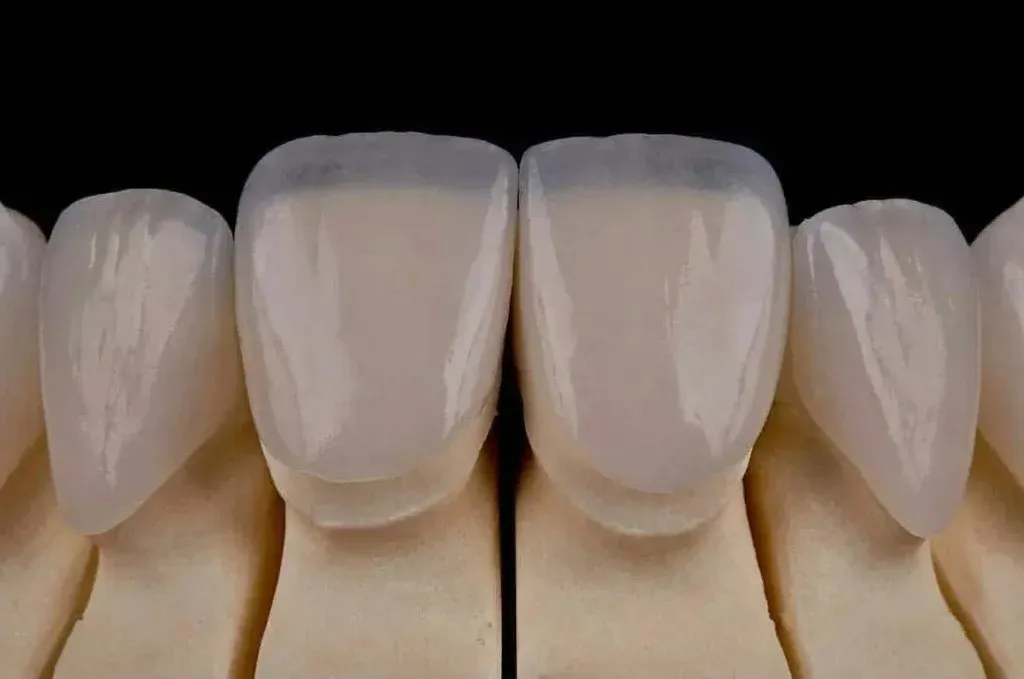
A porcelain veneer that reads as real does so because of what is inside the ceramic. We layer feldspathic porcelain by hand — for anterior work at the highest level, the ceramist's hand is the whole job.

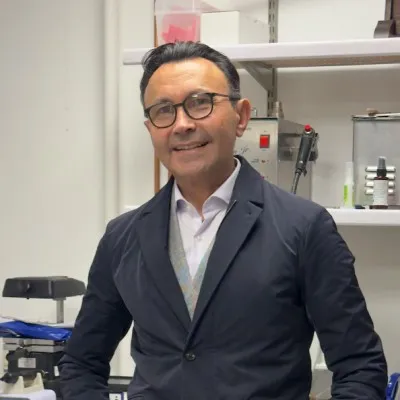
Jahn De Khudikine, Founder · Universal Dental Lab
Jahn De Khudikine Founder · Universal Dental Lab

Why send it here

Your anterior case, layered by one ceramist against the tooth beside it.

A practice's schedule lives or dies by the lab — I've watched one late case push back a whole day of chair time.

So I still know the cases moving through this lab, and I answer for how each one is made. Send a case here and it doesn't drop into a queue — it lands with me and one technician who carries it start to finish.

Start a case
Layered by hand
Translucency, halo and characterization built inside the ceramic — not stained on the surface Feldspathic porcelain fired in layers on a refractory die
Bonded to enamel
The adhesive bond to enamel is what carries the restoration Margins kept in enamel, verified before it ships
Your technician
One person holds your case Reach them directly — no call-center queue
Free scanner
3Shape TRIOS 6 for partners Go fully digital at no cost

Material Comparison

Porcelain, E.max or Composite?

The three veneer materials dentists ask us to compare most. Esthetic ceiling, strength and reversibility pull in different directions — pick the one the case actually needs.

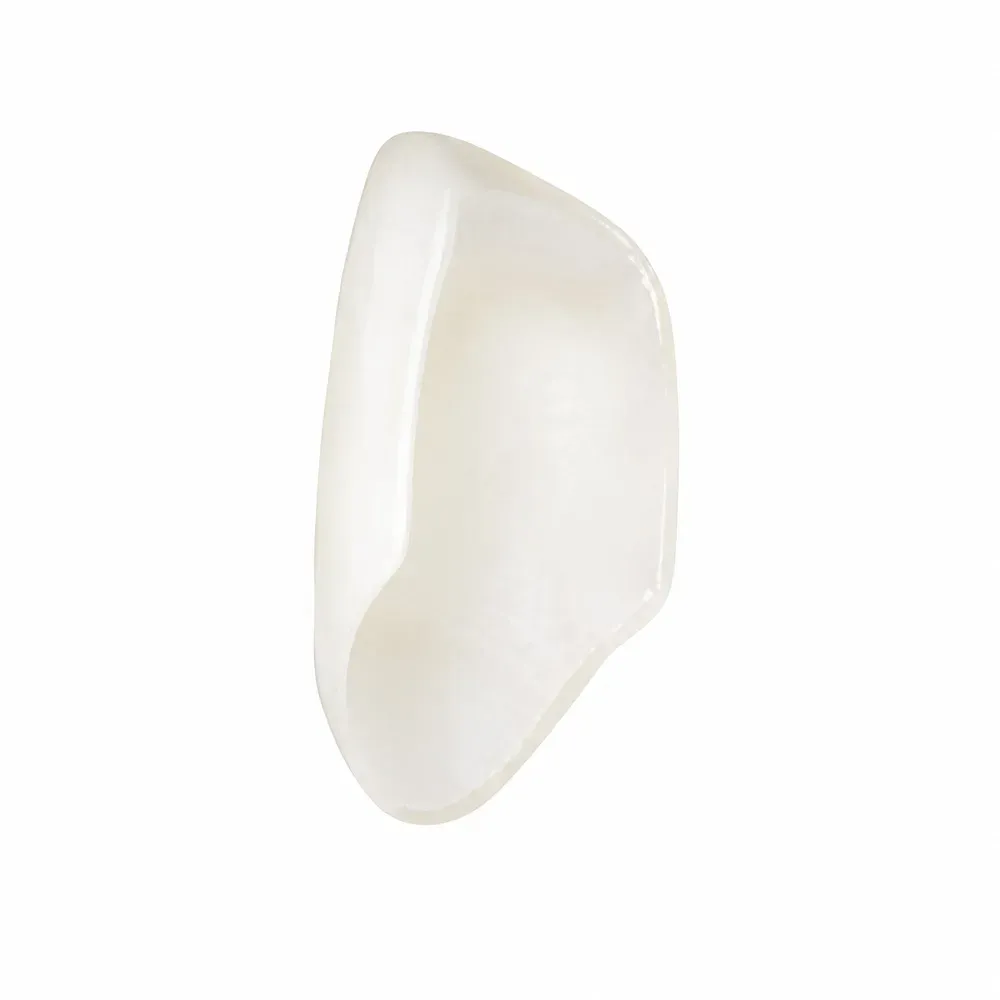
Layered feldspathic veneers under daylight-balanced light
Porcelain Veneers You are here
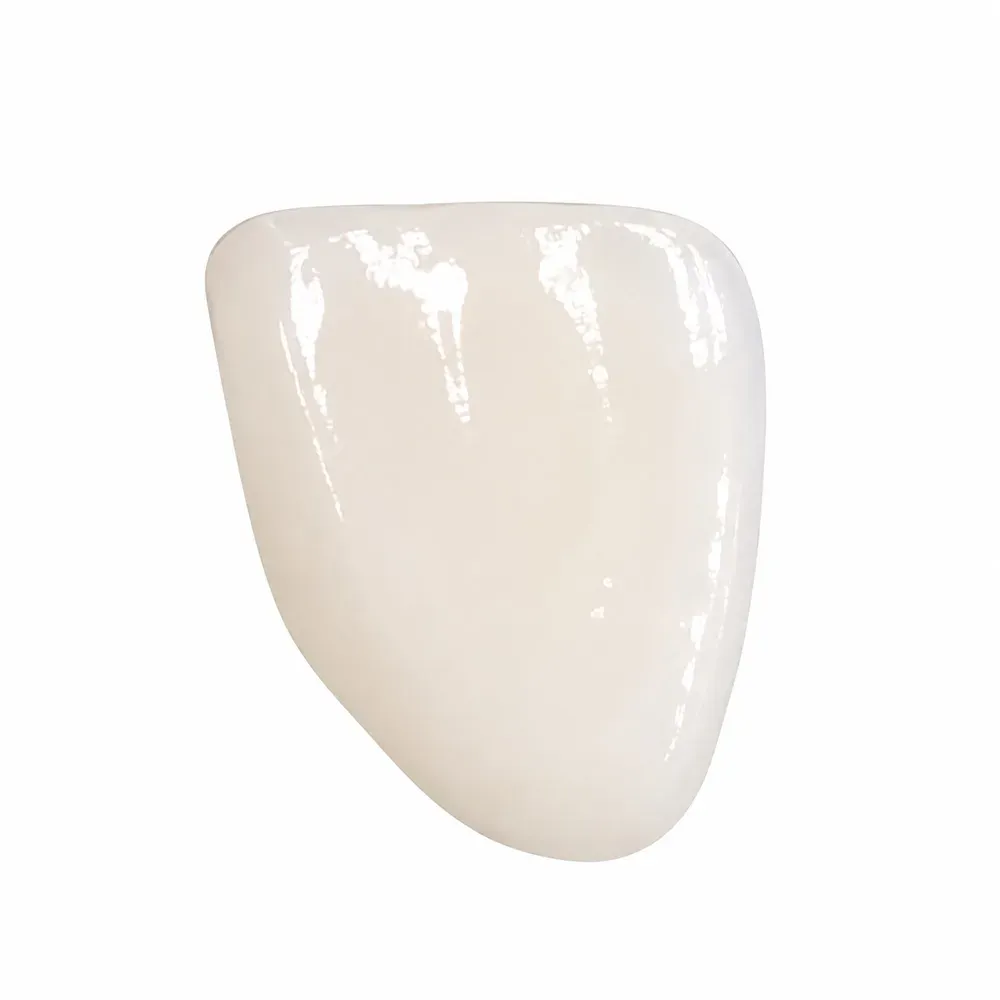
Lithium disilicate veneer on the master model
E.max Veneers
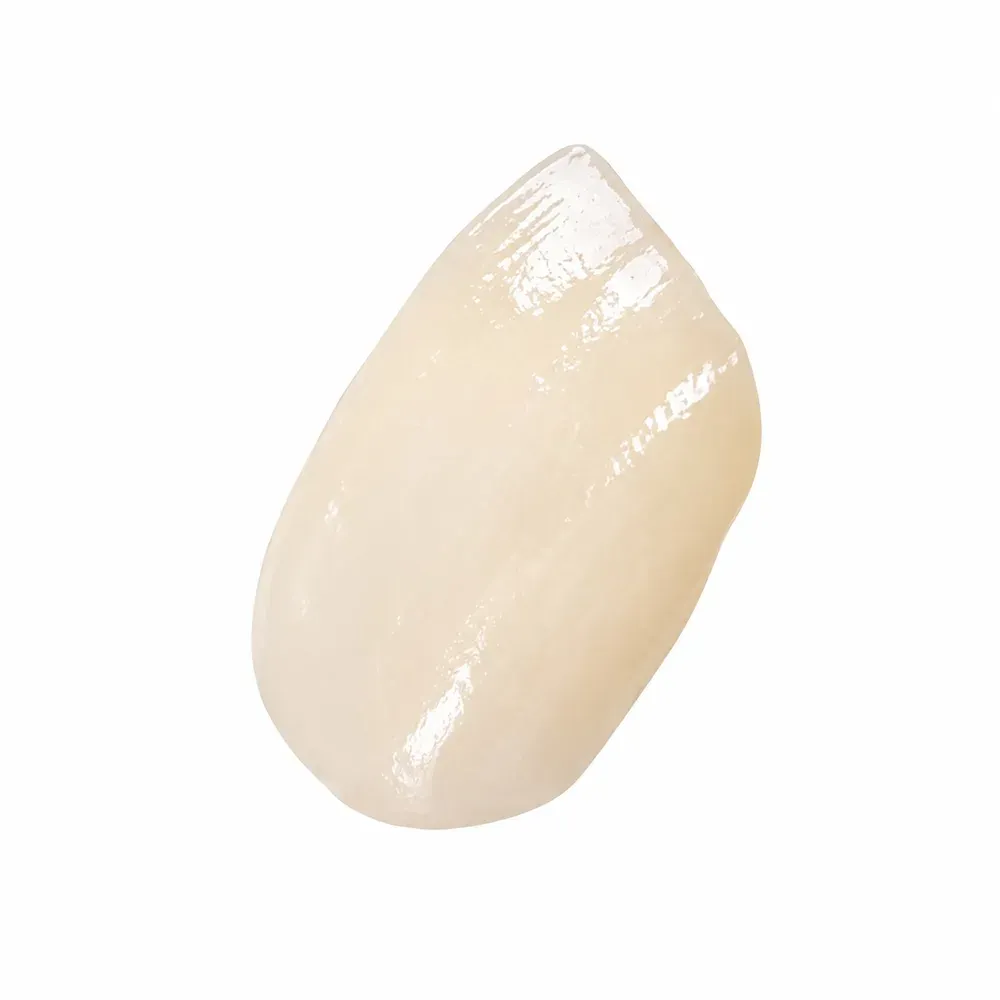
Composite facing polished on the model
Composite Veneers
Esthetic ceiling Highest — layered translucency and internal effects Excellent, with less layering freedom in a monolithic design Good — but it will not hold gloss and shade the way ceramic does
Strength Depends on the enamel bond; thin sections are fragile before cementation Lithium disilicate — strong enough to go thin and handle safely Lower; repairable and polishable chairside
Best for Anterior cases where the ceramist’s hand decides the result Minimal-prep and thin veneers, and cases needing a tougher material Additive, diagnostic and budget-conscious cases

Esthetic ceiling and handling depend on prep depth, enamel available and the layering the case allows. Confirm case-specific requirements with the lab before you prep.

Material
Feldspathic porcelain
Facial reduction
~0.3–0.7 mm
Bonding
Adhesive to enamel
Turnaround
Quoted per case at intake
Feldspathic porcelain built up in layers on a refractory die

Overview

Depth Is Built in Layers, Not Painted On

A porcelain veneer that reads as real does so because of what is inside the ceramic. Surface stain can adjust a shade; it cannot manufacture translucency.

That is the ceiling this material buys a dentist, and it is a real one. The trade is handling: a thin layered shell has almost no strength of its own before it is bonded. It survives on the adhesive bond to enamel, which is exactly why the prep matters as much as the ceramic.

  • Feldspathic: Hand-layered on a refractory die in firings — dentin body, enamel, incisal effects, and whatever halo the neighboring tooth is showing us.

  • Pressed core: A pressed ceramic core layered with feldspathic porcelain where the case wants more substrate under the layering.
Learn more
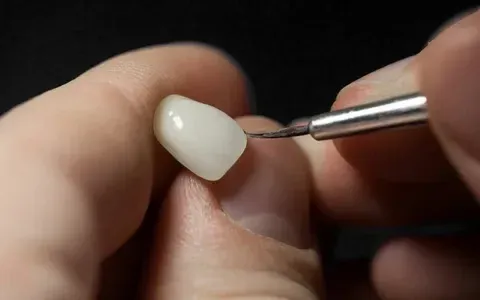
A ceramist reading layered veneers against calibrated shade photos

At the Bench

Built Against Your Photographs, Not a Tab Number

A shade tab gives us hue and chroma. It says nothing about translucency, incisal halo, surface texture or the small internal effects that make the tooth next door look alive. So we work from your photographs.

If the value is wrong at try-in, send them back. Correcting a bonded veneer chairside is not a correction — it is a compromise.

  • Calibrated photos: With the tab in the same plane as the teeth — retracted and in a natural smile.

  • Stump shade: Recorded for every prep, since the translucent ceramic lets the substrate show through.

  • Layering and try-in: Characterization checked against the contralateral tooth; case supplied for try-in paste so value is confirmed before the cement cures.

Learn more

Before you cement

A thin layered shell survives on the adhesive bond to enamel. Etch the intaglio with hydrofluoric acid, silanate, and bond with a light- or dual-cure resin cement — keep the margins in enamel, and confirm value with try-in paste before anything is cured.

Case Selection

When Layered Porcelain Is the Right Call

Indicated for

  • Anterior cases where translucency, halo and internal characterization decide the result
  • Multi-unit smile work that has to read as a set rather than six matched tabs
  • Preparations that stay in enamel, where the adhesive bond is predictable
  • Discolored underlying teeth needing opacity managed inside the ceramic, not painted on the surface
  • Cases where a wax-up or mockup has already established the target form

Consider an alternative when

  • The prep is very thin or the case demands strength in a minimal-prep design — e.max is the safer material
  • Most of the bonding surface is dentin, not enamel, and the adhesive bond cannot be relied on
  • The patient is a known bruxer with an unresolved occlusal scheme
  • The case is additive, diagnostic or reversible by intent — a composite facing is the honest answer

Specifications

Porcelain Veneer Specifications

Preparation, bonding and shade data for planning an anterior case chairside.

Typical values for the layered porcelain veneers we build.
Material Feldspathic porcelain, hand-layered on a refractory die, or a pressed ceramic core layered with feldspathic porcelain
Facial reduction Approximately 0.3–0.7 mm, driven by the target contour and how much correction is being made — send a reduction guide from the wax-up where the case allows
Margin design Chamfer, kept in enamel wherever possible. Supragingival or equigingival finish lines preferred
Incisal design Butt joint or a wrapped incisal edge, decided with you against the wear pattern and the opposing dentition
Bonding Etch the intaglio with hydrofluoric acid, silanate, and bond with a light- or dual-cure resin cement. The bond to enamel is what carries the restoration
Esthetics Internal characterization, halo and translucency built up in layers — depth comes from inside the ceramic, not from surface stain
Try-in Try-in pastes let you confirm the value before the cement is cured. We supply the case with that step in mind
Shade records Calibrated photographs with a shade tab in frame, plus a stump shade when the prep is discolored
Turnaround Quoted per case at intake — layered anterior work is scheduled against the number of units and the characterization required

Reduction depth is dictated by what the veneer is correcting, not by a fixed number — a case that only adds length may need almost none. Reduce from the planned final contour, ideally with a guide made from the wax-up.

Case Submission

Sending a Porcelain Veneer Case

We accept scans from iTero, 3Shape and Medit, and conventional impressions when a practice has not gone digital. Anterior work lives or dies on the photographs either way.

Send with the case:

  • Scan or impression of the prepped arch, plus the opposing arch and a bite record
  • Calibrated shade photographs with a tab in frame — retracted and in a natural smile
  • A stump shade for every prepped tooth
  • The approved wax-up or mockup, if the form has already been agreed with the patient
  • A note on incisal design and what the patient dislikes about the current smile

The record we chase most often is the stump shade. Porcelain is translucent by design, so a dark prep under a light veneer will show through no matter how well the ceramic is layered — and by then the only fix is a remake. Upload the case, or open an account if you have not worked with us before.

Start a case

Send one case. Keep the scanner.

Open a partner account and your first case moves with a shade record and our remake guarantee — if a unit does not seat, we redo it at no charge.

  • Free 3Shape TRIOS 6 scanner for active partners
  • Under-2% remake rate — remakes at no charge
  • One named technician you reach directly — no call center

Prefer to talk? +1 747-268-0808

No call center — you hear back from the lab, not a bot.

Porcelain Veneer FAQ

Porcelain Veneers — Questions Dentists Ask

Roughly 0.3 to 0.7 mm on the facial, but the honest answer is that the number depends on what the veneer is correcting. Closing a diastema or adding length can need almost no reduction; masking a dark tooth or moving a rotated one needs room for opacity and contour. Reduce from the planned final shape, not from the existing tooth — a reduction guide made from the wax-up is the single best thing you can bring to the appointment.

See digital wax-ups

Because the enamel bond is what holds a veneer on. A thin ceramic shell has almost no mechanical retention of its own, and adhesion to enamel is far more predictable than adhesion to dentin. Once the margin runs onto dentin, debonds and marginal staining tend to follow. Where a case forces you there, tell us before we start and expect a franker conversation about prognosis.

Calibrated photographs with a shade tab held in the same plane as the teeth, a stump shade for every prepped tooth, and a note on what the patient actually dislikes about the current shade. A tab number gives us hue and chroma but nothing about translucency, halo or surface texture — which is most of what makes an anterior unit read as real.

Yes, and on anterior work you should. Try-in pastes let you seat the veneers, look at them wet and in the patient’s own lighting, and confirm value before anything is cured. Value is the parameter that most often goes wrong and the one you cannot correct after cementation. If it is not right at try-in, send them back to us — that is a far better outcome than grinding on a bonded veneer.

If the case is about esthetics at the highest level and there is enough prep depth and enamel to work with, hand-layered porcelain gives a ceramist more freedom to build translucency and internal effects. If the veneer has to be thin, if the tooth is unprepped, or if the case will take load, lithium disilicate is the sturdier choice and will handle better on its way to the mouth. Send us the photos and the plan and we will tell you which way the case leans.

Compare e.max veneers

Switching labs, de-risked

New to us? If a veneer does not seat or the value is off at try-in, we remake it at our cost when it is a lab error. We keep a shade record for your practice, so the next case starts from what worked on the first. See what the remake policy covers.

Partner Offer

A Free Intraoral Scanner for Partner Practices

Partner with Universal Dental Lab and we place a 3Shape TRIOS 6 Wireless in your operatory — free for the length of our partnership. Scan the prep, send it in seconds, and skip impressions entirely.