
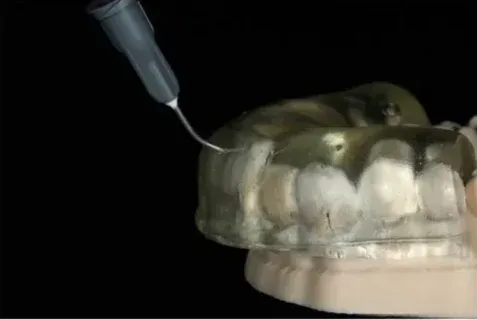
Composite Veneers

The option a dentist can walk back. Additive facings that add form without spending tooth structure — and that repair in the chair instead of coming back as a remake.

Most veneer decisions are permanent the moment the bur touches enamel. Composite is the one that is not — additive, repairable and reversible — which makes it the honest choice for transitional and preview cases.

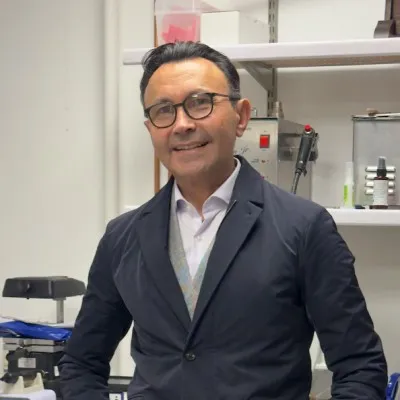
Jahn De Khudikine, Founder · Universal Dental Lab
Jahn De Khudikine Founder · Universal Dental Lab

Why send it here

Composite in the smile line has to match wet and dry. We layer it to your shade reference.

A practice's schedule lives or dies by the lab — I've watched one late case push back a whole day of chair time.

So I still know the cases moving through this lab, and I answer for how each one is made. Send a case here and it doesn't drop into a queue — it lands with me and one technician who carries it start to finish.

Start a case
Additive, reversible
Little or no tooth structure spent — the one veneer choice a dentist can walk back The patient can wear the form and decide before committing to ceramics
Lab-cured, wax-up matched
Facings built against the approved wax-up and made symmetrical before they reach the patient You bond — we take responsibility for the symmetry
Your technician
One person holds your case Reach them directly — no call-center queue
Free scanner
3Shape TRIOS 6 for partners Go fully digital at no cost

Material Comparison

Composite, E.max or Porcelain?

Commitment, repairability and longevity — the three axes that actually separate these materials for an anterior case. We make all three.

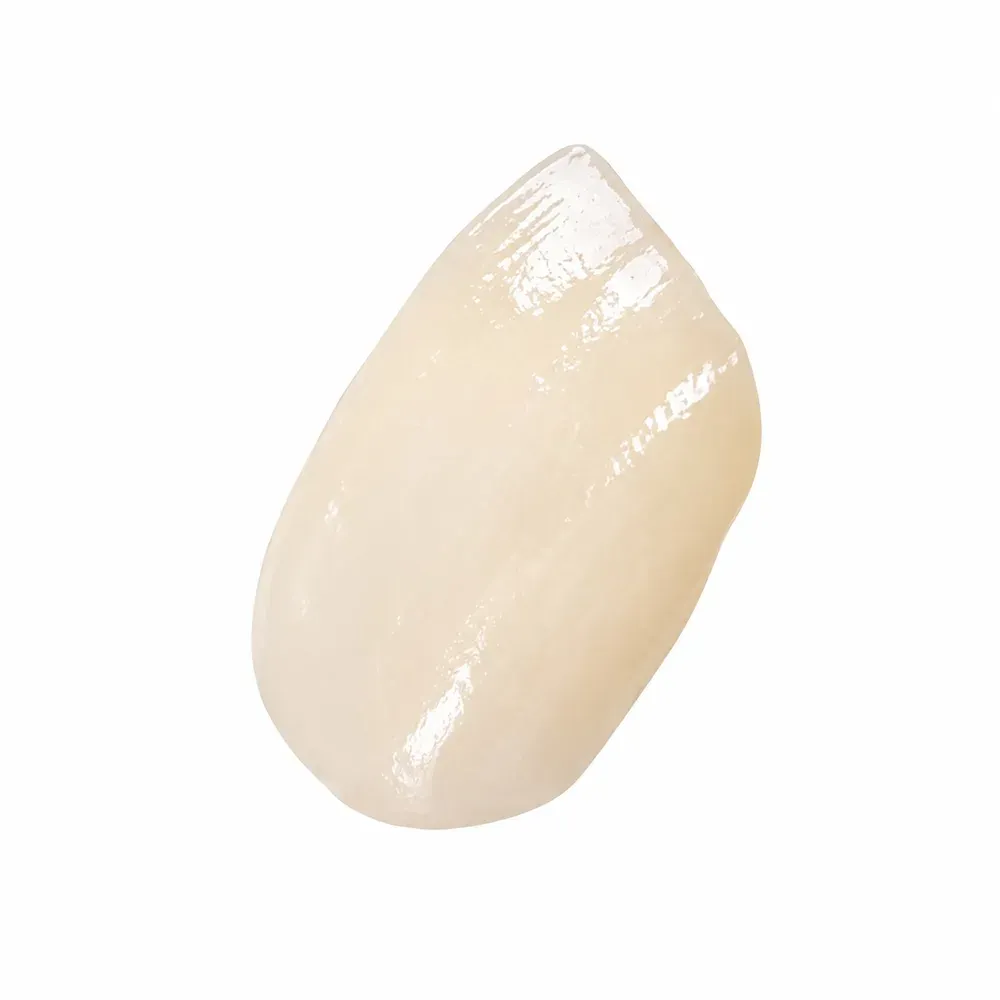
Lab-processed composite facings on the master model
Composite Veneers You are here
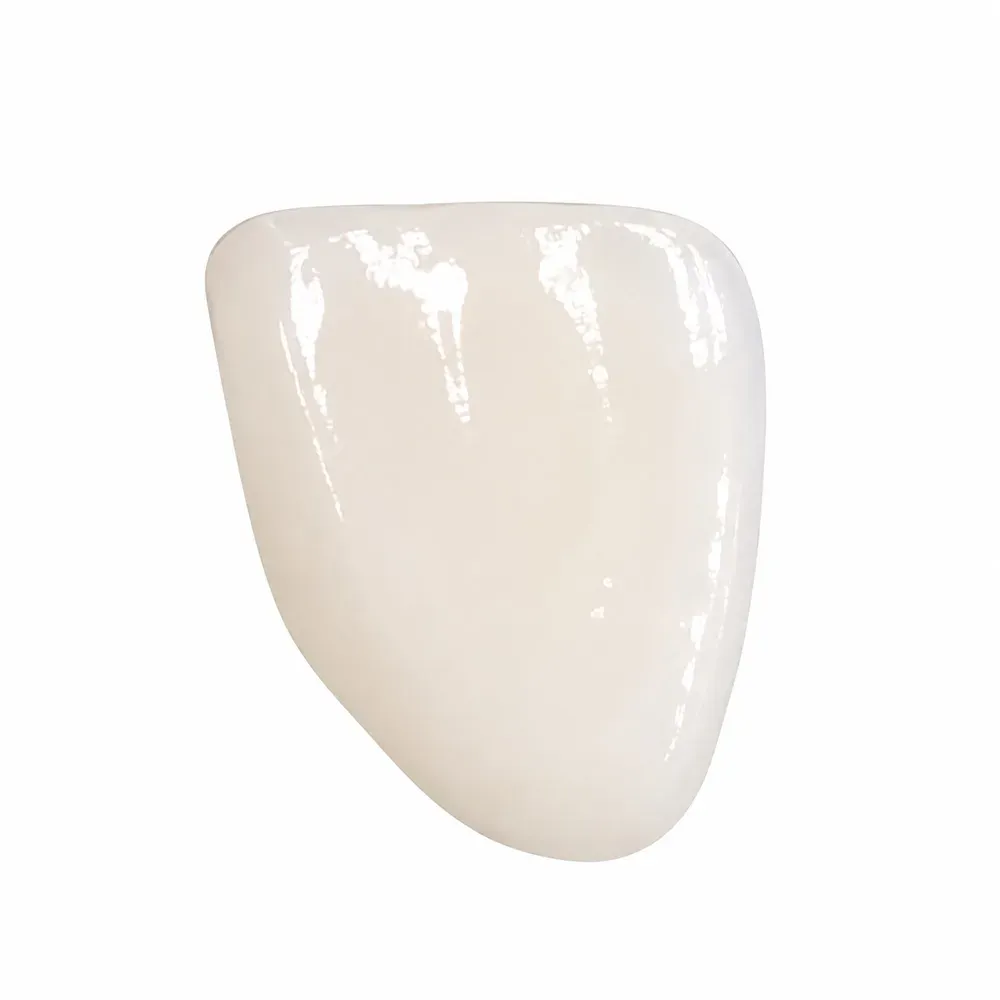
IPS e.max veneers under daylight-balanced light
E.max Veneers
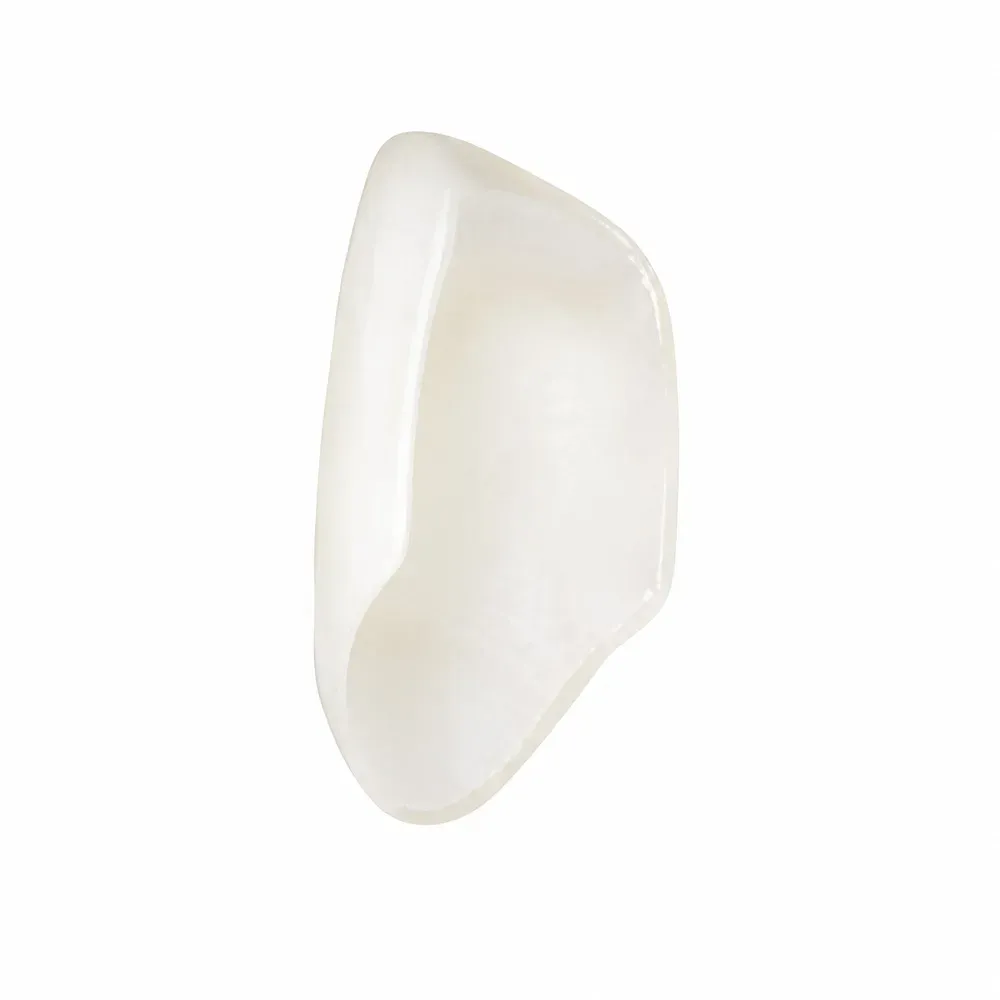
Layered feldspathic porcelain veneers on the refractory die
Porcelain Veneers
Commitment to the tooth Lowest — additive, often no reduction at all Low — minimal-prep and no-prep designs are realistic Higher — needs prep room to layer into
Repair Repaired and repolished chairside A fracture is a remake, not a repair A fracture is a remake
Longevity expectation Loses gloss and stains over time; plan on maintenance Holds gloss and shade; the definitive conservative option Holds gloss and shade; the highest esthetic ceiling

Composite is chosen for reversibility and repairability, not for longevity. Where a patient expects ceramic performance, this is the wrong material — correct the expectation before treatment. Confirm case-specific requirements with the lab before you prep.

Material
Lab-processed composite facings
Preparation
Additive — often no reduction
Repairability
Repaired and repolished chairside
Turnaround
Quoted per case at intake
Lab-processed composite facings, contoured against the approved wax-up

Overview

The Case for the Least Irreversible Option

Most veneer decisions are permanent the moment the bur touches enamel. Composite is the one that is not, and that is the whole argument for it.

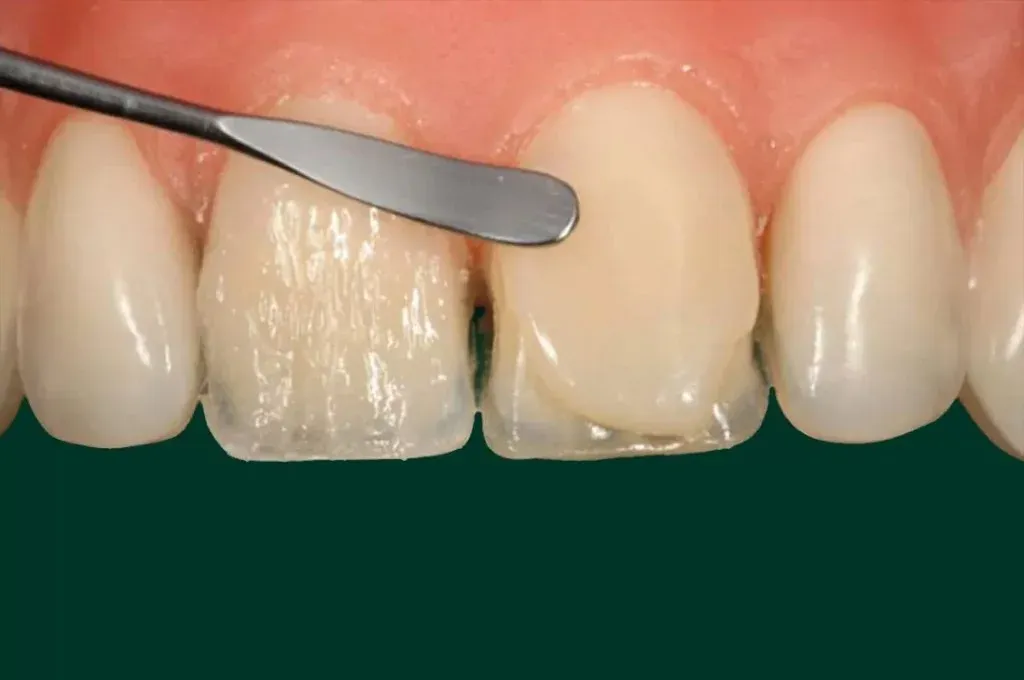
Because the cases are usually additive, little or no tooth structure is spent — so the patient can wear the proposed length and form, live with it, and decide. If they love it, the case converts to ceramics with the form already proven. If they do not, almost nothing has been lost.

  • Additive: Little or no reduction — the material’s main clinical argument, and the option a dentist can walk back.

  • Diagnostic: A wearable preview of form and length the patient can live with before ceramics are prescribed.
Learn more
A technician checking incisal plane and midline across the arch on the model

At the Bench

Symmetry Is the Part That Is Hard to Do Freehand

A single incisal repair is a chairside job and always will be. A sextant is a different problem — the difficulty is not any one tooth, it is making six of them agree with each other while the patient is lying in front of you.

You bond them. We take responsibility for the symmetry.

  • Built to the wax-up: Facings contoured against the approved wax-up, so the target form is decided in advance.

  • Cured under control: Processed under controlled lab conditions rather than freehand in the mouth.

  • Symmetry checked across the arch: Length, midline and incisal plane verified on the model, then polished to a gloss composite can realistically hold.

Learn more

Set the expectation first

Composite dulls, stains at the margins and wears at the incisal edge in a way ceramic does not. That is a maintenance conversation to have with the patient before treatment, not at the two-year review.

Case Selection

When a Composite Facing Is the Right Call

Indicated for

  • Additive cases where little or no tooth structure is being removed
  • Younger patients where a definitive ceramic commitment is premature
  • Patients who want to see the result before committing to ceramics
  • Budget-conscious anterior cases that still need lab-controlled form and symmetry
  • Transitional work while a larger restorative or orthodontic plan is being sequenced

Consider an alternative when

  • The patient expects ceramic longevity, gloss retention and stain resistance — set that expectation before you start
  • The case will take heavy occlusal load or the patient is a known bruxer
  • A dark substrate needs masking without adding bulk — glass ceramics handle it better
  • The restoration is intended as definitive and the patient will not accept periodic polishing or repair

Specifications

Composite Veneer Specifications

Material, preparation and maintenance data for planning an additive anterior case.

Typical characteristics of the lab-processed composite facings we build.
Material Lab-processed composite facings, built and cured under controlled conditions rather than freehand at the chair
Preparation Conservative to none. Most cases are additive, which is the material’s main clinical argument
Strength Lower than lithium disilicate or feldspathic porcelain — the trade accepted in exchange for reversibility and repairability
Repairability Chip or wear facet can be repaired and repolished chairside with composite. A fractured ceramic veneer cannot
Longevity expectation Composite loses surface gloss and picks up stain over time in a way ceramic does not. Plan on periodic polishing and set the expectation with the patient at the outset
Bonding Air-abrade or roughen the intaglio, apply an appropriate adhesive per the manufacturer’s protocol, and bond with resin cement to enamel
Esthetics Good form and symmetry under lab control; the ceiling for translucency and internal effects sits below that of layered porcelain
Role in the plan Often diagnostic — a wearable preview of form and length that the patient can live with before ceramics are prescribed
Turnaround Quoted per case at intake

Composite is chosen for reversibility and repairability, not for longevity. Where a patient expects ceramic performance, this is the wrong material and the expectation should be corrected before treatment rather than after.

Case Submission

Sending a Composite Veneer Case

Scans from iTero, 3Shape and Medit, or a conventional impression. On an additive case, what we most need is the target form.

Send with the case:

  • Scan or impression of the arch, the opposing arch and a bite record
  • The approved wax-up, or a clear description of intended length and incisal position
  • Shade photographs — a tab in frame, retracted and in a natural smile
  • A note on whether the case is transitional or intended to serve as the definitive restoration
  • Occlusal notes if there is any history of parafunction

Because we are adding form rather than replacing it, a case that arrives without an agreed target form leaves us guessing at the very thing the patient will judge. Send the wax-up. New to the lab? Open an account and we will walk the first one through with you.

Start a case

Send one case. Keep the scanner.

Open a partner account and your first case moves with a shade record and our remake guarantee — if a unit does not seat, we redo it at no charge.

  • Free 3Shape TRIOS 6 scanner for active partners
  • Under-2% remake rate — remakes at no charge
  • One named technician you reach directly — no call center

Prefer to talk? +1 747-268-0808

No call center — you hear back from the lab, not a bot.

Composite Veneer FAQ

Composite Veneers — Questions Dentists Ask

Time and control, mostly. Freehand composite in the mouth is a real skill and it eats chair time, especially across six or eight units where symmetry is the hard part. Building the facings in the lab means they are cured under controlled conditions, contoured against a wax-up, and made symmetrical before they ever reach the patient. You bond rather than sculpt. For a single incisal chip that is overkill — for an anterior sextant it usually is not.

Less time than ceramic, and the failure mode is different. Composite does not usually shatter — it dulls, picks up stain at the margins, and wears at the incisal edge. That is a maintenance conversation, not a catastrophe, and it can be polished and repaired. What matters is that the patient hears it before treatment rather than at the two-year review. We will not pretend a composite facing behaves like lithium disilicate over a decade.

That is one of the strongest arguments for them. An additive composite case lets the patient wear the proposed length, form and incisal position for a while and find out whether they actually like it — something no photograph or intraoral mockup achieves as convincingly. If the answer is yes, the case converts to ceramics with the form already validated. If the answer is no, you have changed almost nothing.

Start from a digital wax-up

The approved wax-up or an equally clear description of length, incisal position and contour — because most of these cases are additive, the target form is the brief, not the prep. Add a scan or impression of the arch, the opposing arch, a bite record, and shade photographs. Say whether the case is transitional or meant to serve as the definitive restoration; that changes how much characterization we build in.

How to send a file

Both can be additive with little or no reduction, so the decision is rarely about the prep — it is about commitment and expectation. Composite is cheaper, repairable and reversible, and it will need maintenance. E.max costs more, cannot be repaired if it fractures, and holds its gloss and shade for far longer. A young patient mid-way through a longer plan is a composite case. A patient who wants this finished and stable is an e.max case.

Compare e.max veneers

Switching labs, de-risked

New to us? If a facing does not seat, we remake it at our cost when it is a lab error. We keep a shade and form record for your practice, so the next case starts from what worked on the first. See what the remake policy covers.

Partner Offer

A Free Intraoral Scanner for Partner Practices

Partner with Universal Dental Lab and we place a 3Shape TRIOS 6 Wireless in your operatory — free for the length of our partnership. Scan the prep, send it in seconds, and skip impressions entirely.