

NTI-tss Appliances

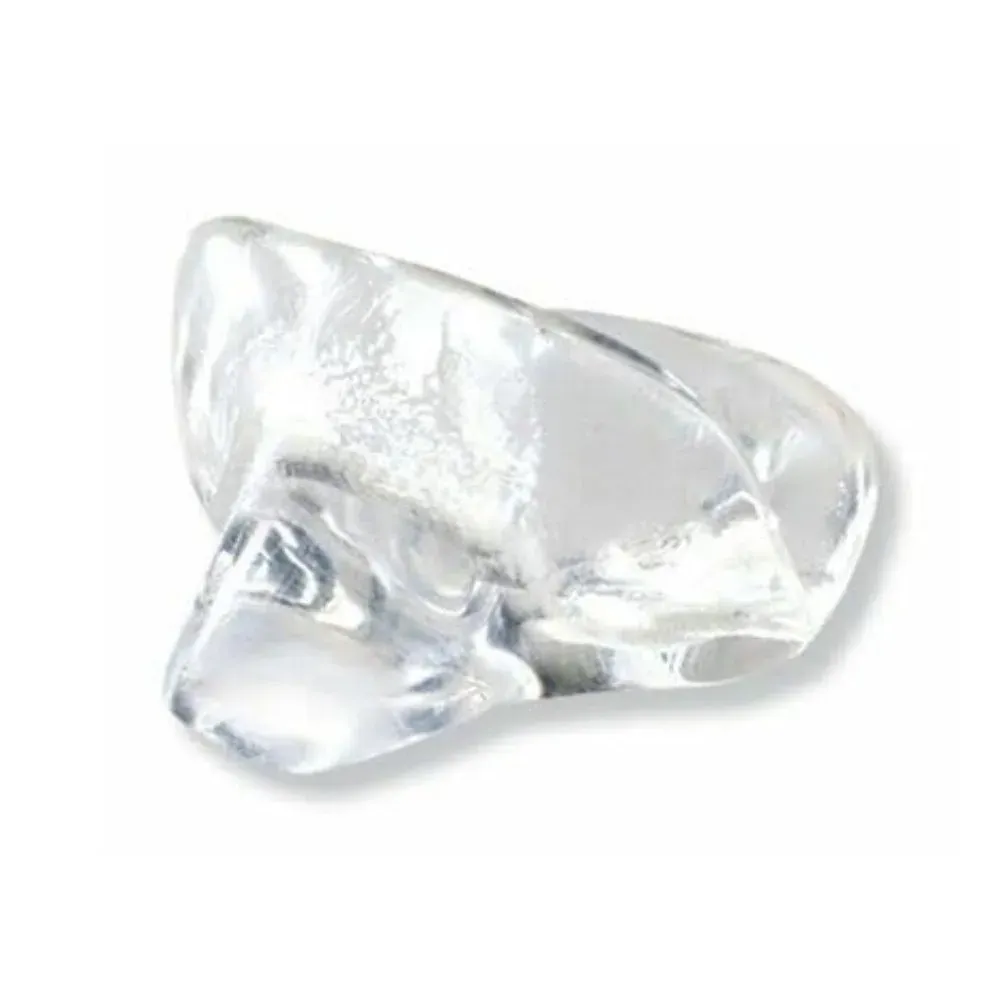
A small anterior-only device that holds the back teeth apart. The mechanism is simple and so is the risk, which is why you should prescribe one only for a patient you intend to keep seeing.

Partial coverage is the whole story here — it is both the mechanism and the risk. Built to your prescription, sent to a dentist who will follow the case: name the arch, the design and the material, and we build to it.

Jahn De Khudikine, Founder · Universal Dental Lab
Jahn De Khudikine Founder · Universal Dental Lab

Why send it here

Your NTI-tss case, built to your prescription and no house design.

A practice's schedule lives or dies by the lab — I've watched one late case push back a whole day of chair time.

So I still know the cases moving through this lab, and I answer for how each one is made. Send a case here and it doesn't drop into a queue — it lands with me and one technician who carries it start to finish.

Start a case
Anterior only
Held apart, the posterior teeth never meet — it limits the clench, it does not cushion it A discluding device for supervised occlusal therapy
Built to your RX
Arch, design and material are yours to name — no house version imposed on a patient we never saw A blank stops the case and starts a call, it does not get guessed
Your technician
One person holds your case Reach them directly — no call-center queue
Free scanner
3Shape TRIOS 6 for partners Go fully digital at no cost

Partial vs. Full Coverage

Anterior-Only or Full Coverage?

The first two rows explain why a dentist reaches for this device. The third is what should decide the case. We make all three.

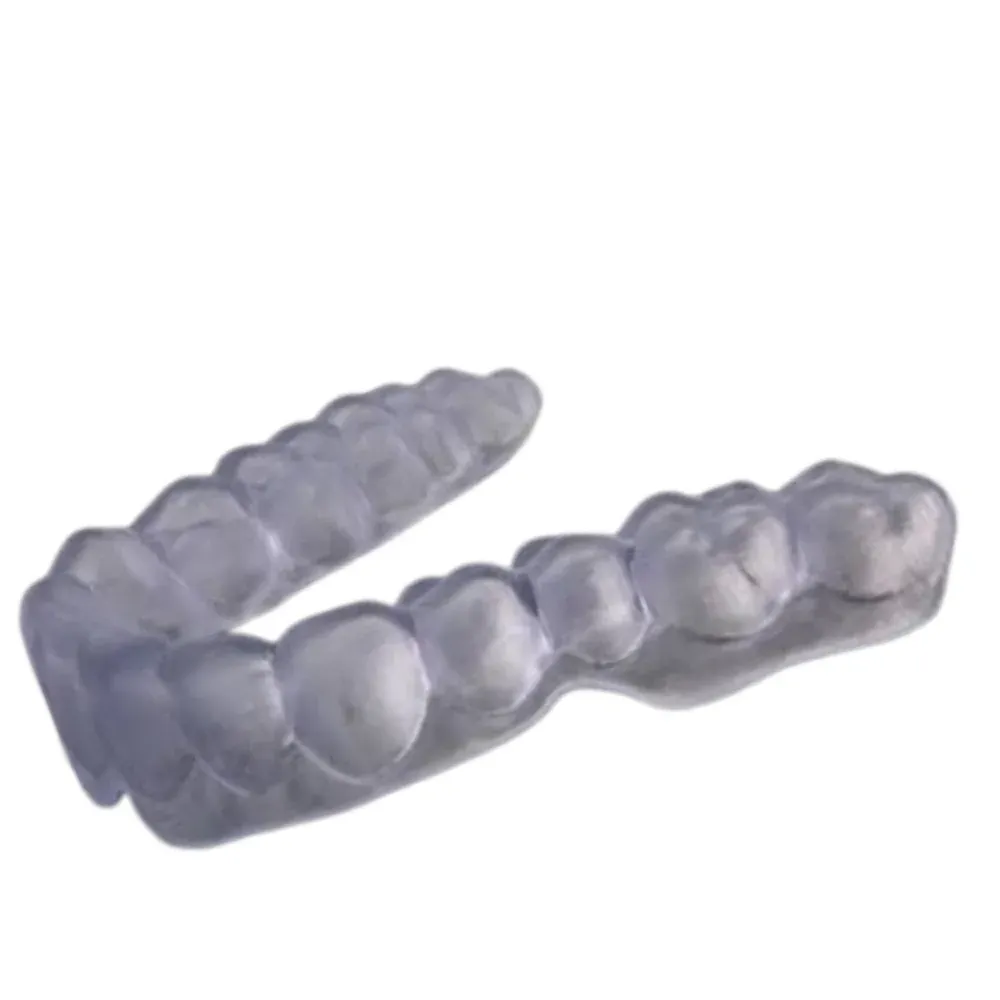
Anterior-only discluding device on the master model
NTI-tss Appliances You are here
Rigid full-arch KeySplint on the master model
KeySplint
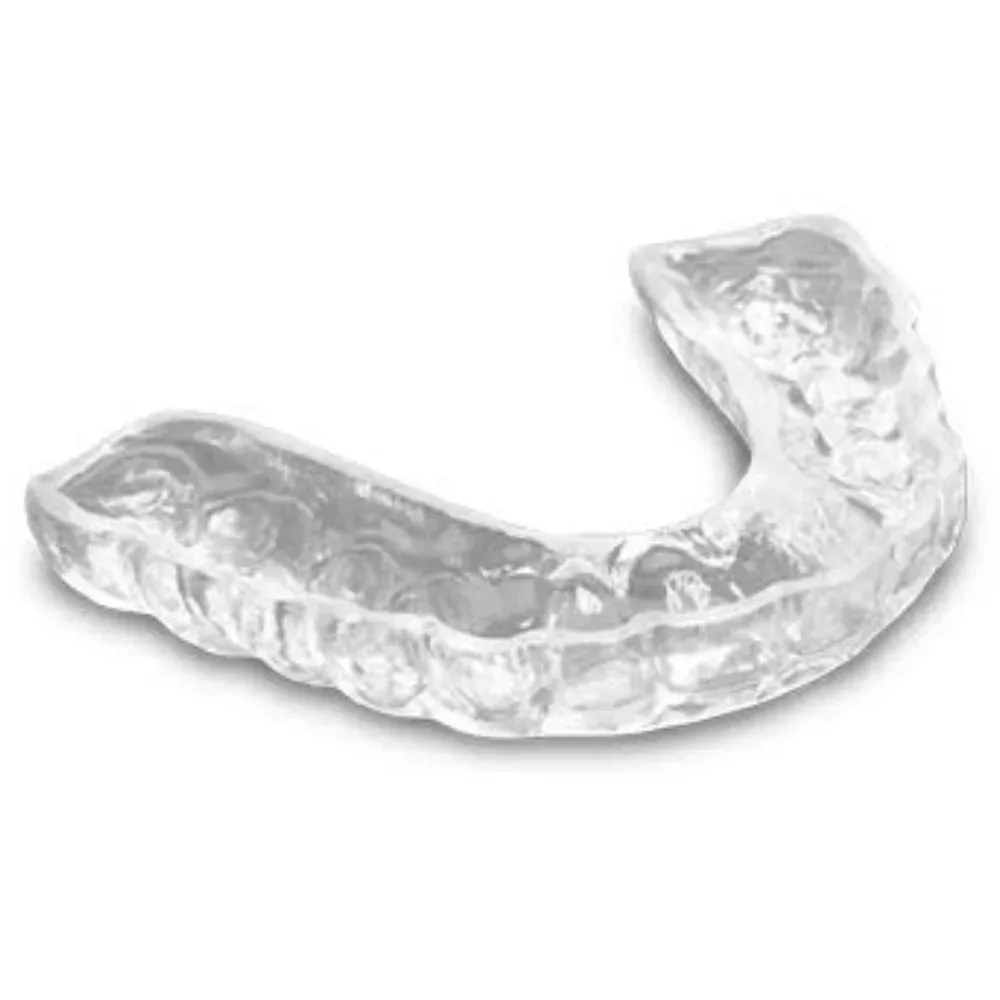
Dual-laminate Comfort H/S nightguard, resilient liner and rigid shell
Comfort H/S Nightguards
Coverage Anterior only. The back teeth never meet while it is in Full arch, rigid Full arch. Resilient liner against the teeth, rigid shell above it
How it reduces the load Limits what the patient can clench against — one anterior stop, no posterior table Distributes the load and holds the scheme you prescribed Distributes the load and takes the wear instead of the teeth
What it demands of you Close review without it the occlusal risk is real Routine recall check it, adjust, move on Routine recall watch the margin for delamination over time

How each appliance behaves depends on the design you prescribe and how the patient is followed. Walk a difficult occlusal case through with the lab before you take records.

Appliance
Anterior-only discluding device
Coverage
Partial — posterior left unopposed
Design
Specified on the RX
Turnaround
Quoted per case at intake
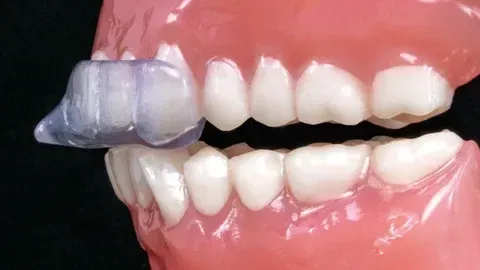
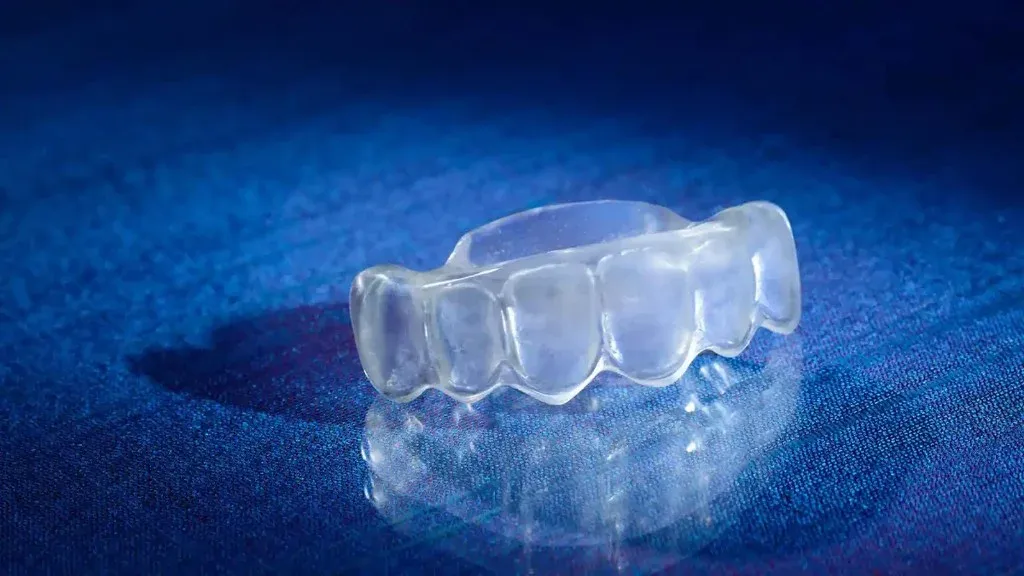
Anterior-only discluding element seated between the arches at the front

The Mechanism

How NTI-tss Appliances Reduce the Clench

Most appliances in this category answer a heavy bite by spreading it across an arch. NTI-tss appliances do something else — they limit the patient's ability to generate the force in the first place.

The device is small and it is anterior only. A discluding element sits between the arches at the front, and while it is in the mouth the posterior teeth never contact. That single fact is the appliance.

  • One anterior stop: Give the elevator muscles a single stop and nothing else, and they are no longer working against the full arch they are built for.

  • Subtraction, not cushioning: It does not distribute the bite and it does not soften it. It limits what the patient can clench against.
Full-arch rigid splint alongside the anterior-only device, for comparison

The Risk

Partial Coverage Is Why It Needs Supervision

The design that produces the effect is the design that carries the risk — one property, seen from either end. Hold the posterior teeth apart every night and nothing opposes them. Worn long term without review, a partial-coverage appliance carries a real risk of unwanted occlusal change: the posterior teeth supraerupt, or the contacted anterior teeth intrude, or both.

So this device belongs to a dentist who is following the patient. If nobody will, prescribe full coverage instead.

  • Review appointments: On the calendar, with the posterior occlusion checked against the record you started from.

  • An endpoint for wear: Set and documented on the chart, not left open-ended once the appliance is in hand.

  • The delivery conversation: A small appliance that comes loose in the night is a small object in the airway — say so at delivery.

Learn more

Before you prescribe

This device belongs to a dentist who is following the patient — review appointments on the calendar, the posterior occlusion checked against the record you started from, an endpoint for wear. If nobody will follow this patient, prescribe full coverage instead.

Prescribing Decision

Prescribe an Anterior-Only Device Only If You Will Follow the Patient

Indicated for

  • Patients you will genuinely see again, on a review schedule you have set
  • Cases where reducing clenching intensity is the goal, not spreading load
  • Short-course anterior deprogramming inside a plan you are directing
  • A patient who has refused full coverage, where you accept the follow-up burden
  • Practices that already prescribe this device and want it built to their design

Send a full-coverage appliance instead when

  • Nobody is going to follow this patient. That fact alone decides the case
  • The job is protecting worn dentition or extensive ceramics across the arch
  • A defined occlusal scheme has to survive between appointments
  • The patient is unlikely to return once the appliance is in hand
  • The plan is protection from heavy bruxism, not reducing force

Prescription Items

NTI-tss Appliance Specifications

What the appliance is, and what the practice decides rather than the bench.

How an anterior-only discluding device is specified and built.
Appliance Anterior-only discluding device, seated on the anterior teeth
Arch Maxillary or mandibular, to your prescription. Tell us which. We will not assume an arch for a patient we have never seen
Design Yours to specify: the anterior stop, the extent of coverage, how the device retains
Material Named on the RX. If your protocol calls for a specific material, tell us at intake and we fabricate in it
Mechanism Posterior disclusion. It limits the force the patient can produce rather than cushioning it
Coverage Partial. The posterior teeth are left unopposed
Supervision Part of the prescription. Review appointments and an endpoint for wear are yours to set and to document
Records needed Both arches, scanned or impressed, plus a bite registration in the position you want the device built to
Turnaround Quoted per case at intake

Arch, design and material are prescription items on this appliance, not lab defaults.

Getting It Right on the RX

Sending an NTI-tss Case

The arch and the design are prescription items on this device, not lab defaults. Leave either blank and the case stops at intake, because neither is a call the bench will make for a patient it has never examined.

On the prescription:

  • The arch, named plainly
  • The design: the anterior stop, the extent of coverage, how it retains
  • The material, if your protocol specifies one
  • Both arches, as scan files or impressions
  • A bite registration in the position you want the device built to
  • Your review schedule and wear endpoint, so the case file carries it too

A blank on any of the first three means we call rather than choose for you. New to the lab? Open an account and we will walk you through the first case.

Start a case

Send one case. Keep the scanner.

Open a partner account and your first case moves with a shade record and our remake guarantee — if a unit does not seat, we redo it at no charge.

  • Free 3Shape TRIOS 6 scanner for active partners
  • Under-2% remake rate — remakes at no charge
  • One named technician you reach directly — no call center

Prefer to talk? +1 747-268-0808

No call center — you hear back from the lab, not a bot.

Questions and Limits

NTI-tss: What We Will and Will Not Tell You

The posterior occlusion, every time. You are looking for whether the teeth still meet as they did when you took the record: contacts that have shifted, an open bite that was not there before, teeth that have moved while the appliance held them apart. Check the anterior stop and the tissue under it. Then decide, on the chart, whether wear continues and until when.

Both are your call, and both belong on the RX. Practices that use this appliance regularly have an arch they prefer and a design they trust, and we would rather build to that than impose a house version on a patient we have never examined. If either is missing we ask before we start. Where the appliance sits inside a larger occlusal plan, walk the case through with us before you scan.

Book a complex case review

Not a claim we will make. We are the fabricator, not the prescriber, and claims of that kind attached to this device are yours to evaluate and to discuss with your patient. The mechanism we will describe, and only the mechanism: contact is limited to one anterior stop, so the patient is not clenching against a full posterior table the way they do in intercuspation. What that produces for a given patient is your judgment to make and to document, not ours to advertise.

The arch and the design — both are yours to specify on this device, so a blank does not get filled in here. It stops the case and starts a phone call. After that the usual suspect is a bite registration taken in a position nobody meant to capture, which is worse than a missing one because it looks usable. We quote the schedule per case at intake.

Built to the prescription

Name the arch, the design and the material. We build to the prescription and hand it back as you specified it. The follow-up plan stays with you, where it belongs.

Partner Offer

A Free Intraoral Scanner for Partner Practices

Partner with Universal Dental Lab and we place a 3Shape TRIOS 6 Wireless in your operatory — free for the length of our partnership. Scan the prep, send it in seconds, and skip impressions entirely.