

Clear Aligner Systems

The trays are the easy part. What a dentist is really buying is the setup — where the movement is staged, and where a case is won or quietly lost.

Any lab can thermoform a tray. The work that decides whether the teeth arrive is the staged digital setup — and you approve it before a single stage is produced.

Jahn De Khudikine, Founder · Universal Dental Lab
Jahn De Khudikine Founder · Universal Dental Lab

Why send it here

The wrong staging shows up on tray five, not tray one. We review the setup before production starts.

A practice's schedule lives or dies by the lab — I've watched one late case push back a whole day of chair time.

So I still know the cases moving through this lab, and I answer for how each one is made. Send a case here and it doesn't drop into a queue — it lands with me and one technician who carries it start to finish.

Start a case
You approve first
Nothing is thermoformed until you sign off on the staged setup The last cheap moment in the case
Segmented + staged
Teeth moved to target and staged for achievable increments Attachments and IPR planned into the setup, not the chair
Your technician
One person holds your case Reach them directly — no call-center queue
Free scanner
3Shape TRIOS 6 for partners Go fully digital at no cost

Appliance Comparison

Moving Teeth, or Holding Them?

Aligners and retainers look alike and do opposite jobs. This is the distinction that matters when a case is handed over — we make all three.

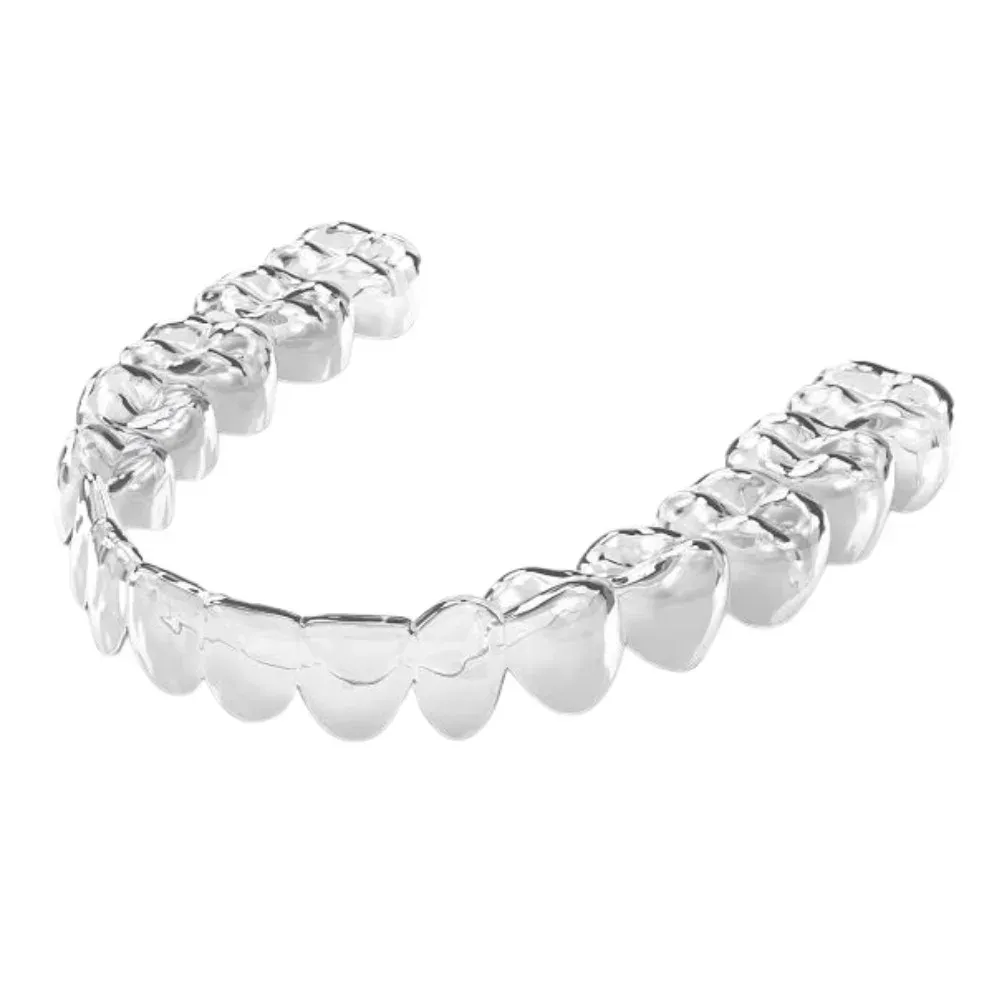
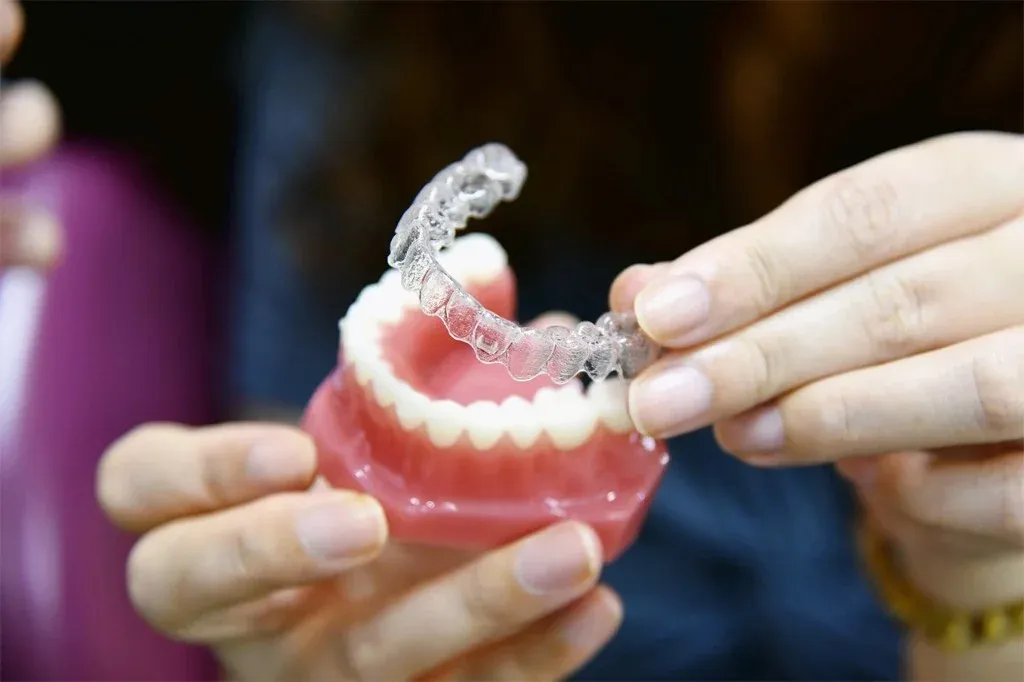
A staged series of thermoformed aligner trays
Clear Aligner Systems You are here
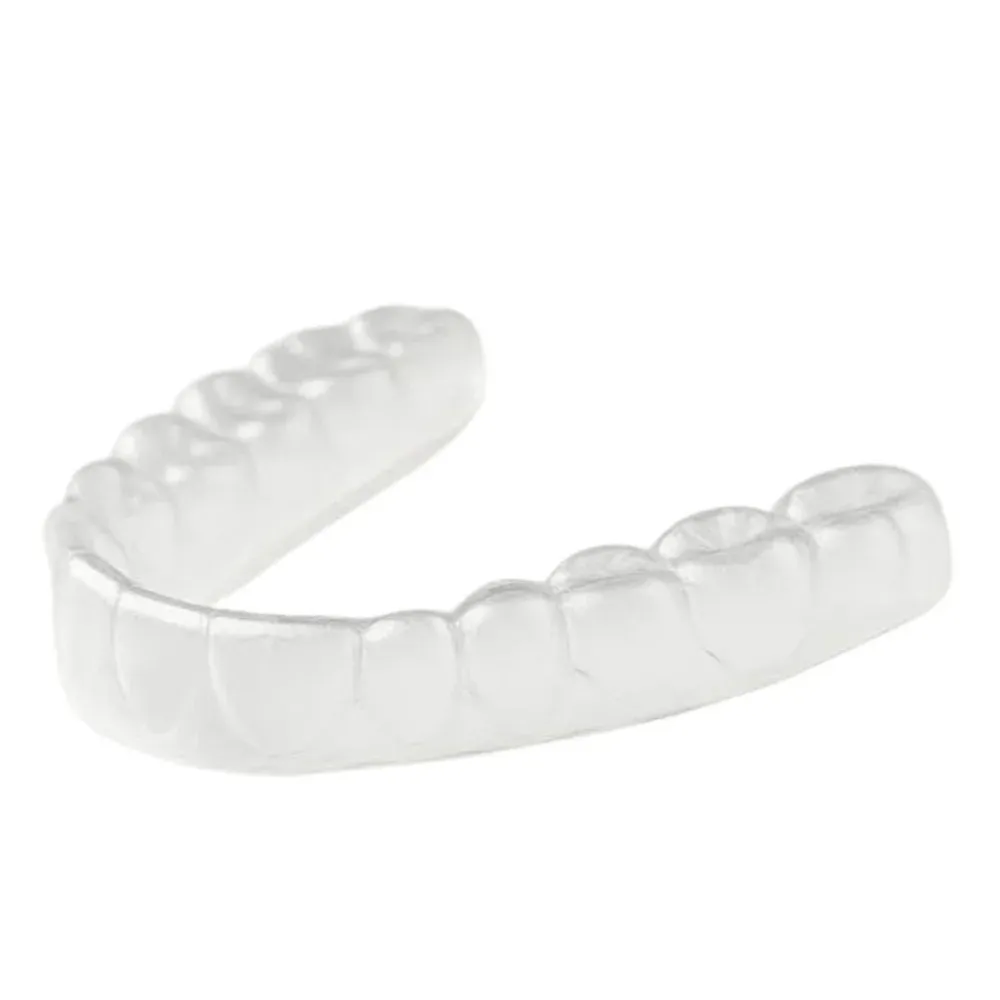
A clear thermoformed retainer on the finished arch
Clear Ortho Retainers
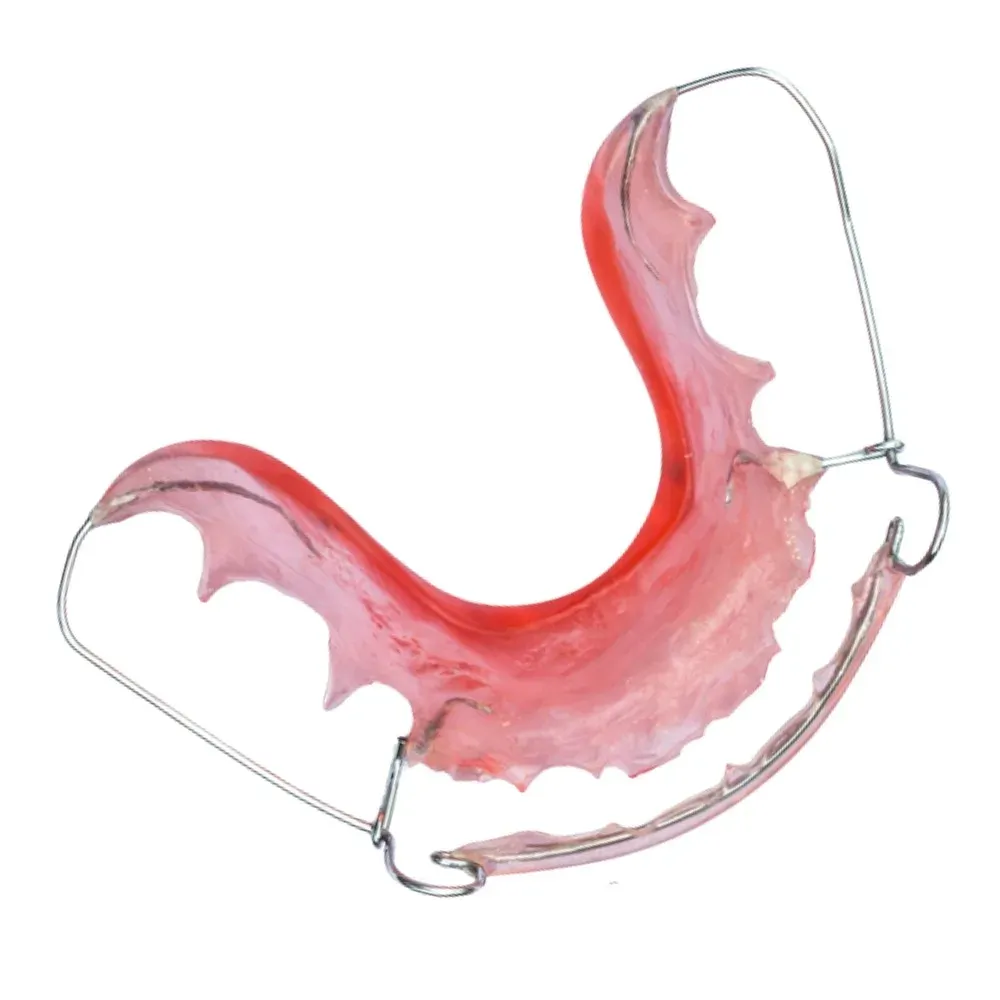
A Hawley retainer — labial bow over an acrylic base
Hawley Retainers
Purpose Active treatment — moving teeth to a planned position Retention — holding the result after treatment ends Retention, with room for the occlusion to settle
Moves teeth? Yes in staged increments across a series of trays No it holds what the aligners achieved No but the labial bow is adjustable
Made from A digital setup you approve, staged and thermoformed A single scan of the finished arch, archived for replacements Wire and acrylic, fabricated on the model

An aligner moves teeth in staged increments; a retainer holds what treatment achieved. Confirm the appliance the case needs with the lab before you send the scan.

Input record
Full-arch scan of both arches + bite
Digital setup
Approved before production
Production
Thermoformed over printed models
Turnaround
Quoted per case at intake
A staged digital aligner setup on screen, teeth moved to target

Overview

The Case Is Decided in the Setup, Not the Plastic

Any lab can thermoform a tray. The work that determines whether the teeth actually arrive is the staged digital setup — and you approve it before a single stage is produced.

We segment the teeth from your scan, move them to the target position, and distribute that movement across stages so each tray asks for an increment the tooth can deliver. Ask a tray for too much and it stops tracking; ask for too little and the case runs for a year longer than it needed to.

  • Attachments: Designed where a tooth needs a surface for the tray to push against — a template is supplied for bonding.

  • IPR: Planned in the setup with the amount and the stage specified, so space appears when the plan calls for it.

  • The limits, stated plainly: A tray grips the crown — aligners tip and rotate well and struggle with bodily movement, root torque and extrusion.
Learn more
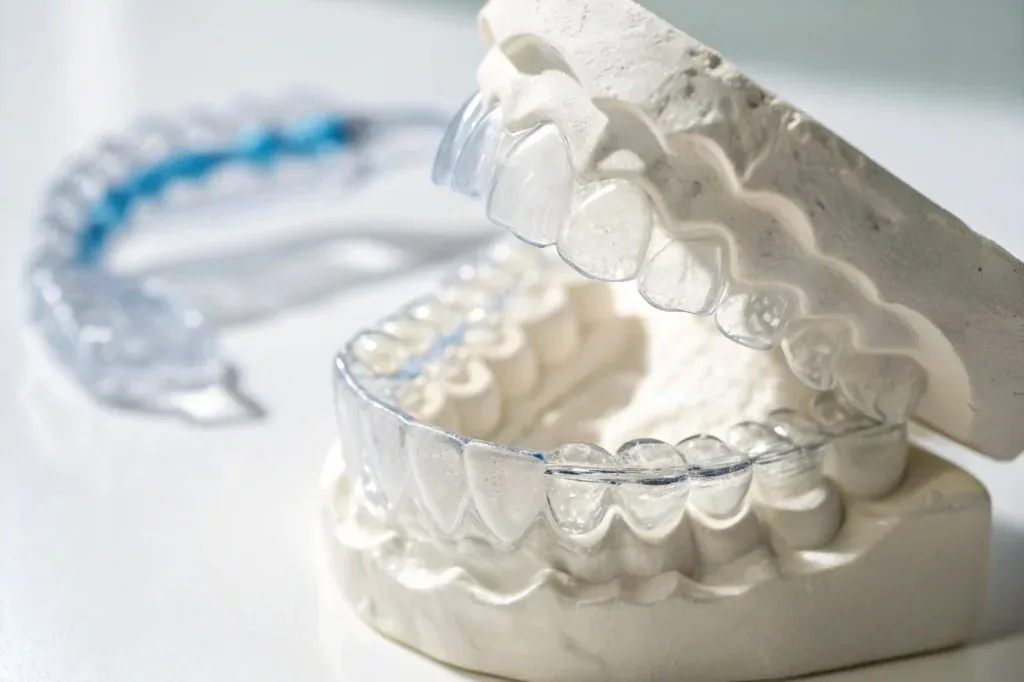
Printed stage models with a thermoformed tray drawn over one arch

At the Bench

Nothing Is Thermoformed Until You Approve the Plan

Once trays exist, the plan is fixed in plastic. So the review step is not a formality — it is the last cheap moment in the case.

If a case comes back mid-treatment because the teeth stopped tracking, send a new scan. We re-stage from where the dentition actually is — not from where the original plan hoped it would be.

  • Segmentation: Teeth segmented from your scan and moved to the target position.

  • Staging: Movement staged so each tray asks for an achievable increment, then revised until you approve it.

  • Production: Stage models printed from the approved setup, and trays thermoformed over them.

Learn more

Before you accept the case

A tray grips the crown, so aligners tip and rotate well and struggle with bodily movement, root torque and extrusion. If the plan depends on those, the setup will look convincing on screen and disappoint in the mouth. We would rather say so at intake.

Case Selection

When Aligners Are the Right Call

Indicated for

  • Mild to moderate crowding and spacing in the anterior segments
  • Relapse after previous orthodontic treatment, where the arch was once aligned
  • Minor rotations and tipping that respond to crown movement
  • Pre-restorative alignment — uprighting or leveling before veneers, crowns or implants
  • Adult patients who will not accept fixed appliances

Consider an alternative when

  • The case needs bodily movement, significant root torque or extrusion — aligners are weakest exactly there
  • Skeletal discrepancy is driving the malocclusion; no tray corrects a jaw relationship
  • Severe rotations on round-rooted teeth, particularly premolars, which slip inside a tray
  • Compliance is doubtful — an aligner in a drawer moves nothing, and the case will stall

Specifications

Clear Aligner Specifications

Records, setup and staging data for planning an aligner case.

How we take an aligner case from scan to staged trays.
Input record A full-arch intraoral scan of both arches with a bite record — iTero, 3Shape and Medit files all accepted
Digital setup Teeth segmented from the scan, then moved to the target position in a staged setup you review and approve before anything is produced
Staging Movement distributed across stages so each tray asks for an achievable increment, not a heroic one
Attachments Composite attachments designed where the tooth needs a surface for the tray to push against — a template is supplied for bonding
IPR Interproximal reduction planned in the setup where space is needed, with the amount and the stage specified so you know when to do it
Production Trays thermoformed over printed stage models produced from the approved setup
Wear protocol Set by the treating dentist. We build to the plan you approve — we do not prescribe wear time
Refinement Rescan mid-treatment when teeth track behind the plan, and we re-stage from where the case actually is
Turnaround Quoted per case at intake — driven by the number of stages and the number of setup revisions

Wear protocol is prescribed by the treating dentist, not by the lab. We build to the setup you approve — and we re-stage from a fresh scan when the teeth track behind the plan.

Case Submission

Sending an Aligner Case

A clean full-arch scan of both arches and a bite record. Everything downstream is built on that record, so a rushed scan costs you at stage twelve.

Send with the case:

  • Full-arch intraoral scans of both arches, with margins of the gingiva captured cleanly
  • Bite record
  • Intraoral and facial photographs
  • Your treatment objective — and the restorative endpoint if one is planned
  • Any teeth you do not want moved, and any you do not want attachments on

The most common problem we see is a scan with the interproximal areas poorly captured. Segmentation depends on seeing where one tooth ends and the next begins, and a lab guessing at that boundary is a lab designing a tray that does not fit. Upload the scan, or open an account to get started.

Start a case

Send one case. Keep the scanner.

Open a partner account and your first case moves with a shade record and our remake guarantee — if a unit does not seat, we redo it at no charge.

  • Free 3Shape TRIOS 6 scanner for active partners
  • Under-2% remake rate — remakes at no charge
  • One named technician you reach directly — no call center

Prefer to talk? +1 747-268-0808

No call center — you hear back from the lab, not a bot.

Aligner FAQ

Clear Aligner Systems — Questions Dentists Ask

Bodily movement, root torque and extrusion — and it is worth being blunt about that before a case is accepted rather than after it stalls. A tray grips the crown, so it is good at tipping and rotating and much weaker at anything that asks the root to follow. Severe rotations on round-rooted teeth, premolars especially, tend to let the tray slip. If the plan depends on those movements, the setup will look beautiful on screen and disappoint in the mouth.

Yes, and nothing is produced until you do. We segment the teeth from your scan, move them to the target position, and stage the movement so each tray asks for an achievable increment. You see the plan, tell us what to change, and we revise. The setup is where a case is won — once trays are thermoformed, the plan is fixed in plastic.

Both are planned in the setup, not improvised chairside. Attachments are designed where a tooth needs a surface for the tray to push against, and we supply a template so you can bond them in the planned positions. Interproximal reduction is specified with the amount and the stage at which it should be performed, so space is created when the plan actually needs it rather than all at the start.

Rescan and tell us. Teeth falling behind the plan is normal in aligner therapy, not a failure — what causes trouble is pushing on through the remaining trays hoping the case catches up. Send a mid-treatment scan and we re-stage from where the dentition actually is rather than from where the original plan assumed it would be.

Send us a new scan

Often to good effect. Uprighting a tipped molar before an implant, leveling the incisal edges before veneers, or creating space before a bridge can turn a compromised restorative case into a straightforward one. Tell us the restorative endpoint when you send the case — the setup should be driven by where the restorations are going, not just by textbook alignment.

Switching labs, de-risked

New to us? Send the scan and your objective, and we build the setup and wait for your approval before anything is made. When teeth track behind the plan, rescan and we re-stage — no argument.

Partner Offer

A Free Intraoral Scanner for Partner Practices

Partner with Universal Dental Lab and we place a 3Shape TRIOS 6 Wireless in your operatory — free for the length of our partnership. Scan the prep, send it in seconds, and skip impressions entirely.