

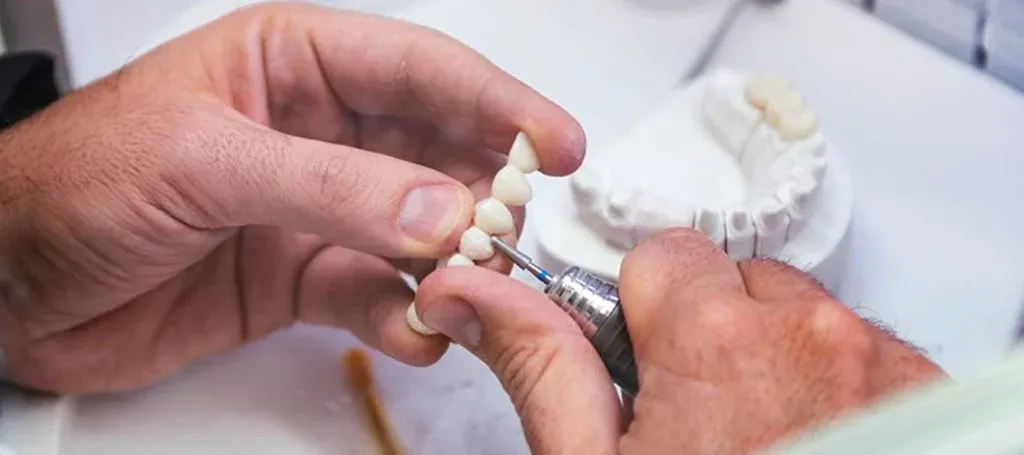
Adjustments and Refinements

Not every seat that needs a tweak needs a remake. When a dentist reports a high contact, an occlusal interference or a shade a half-step off, we correct the existing case rather than rebuild it.

A restoration that seats well but reads a touch high, or holds a contact a shade too tight, does not need to be remade. It needs the one thing that is off to be corrected — while everything else that already fits stays exactly as it is.

Jahn De Khudikine, Founder · Universal Dental Lab
Jahn De Khudikine Founder · Universal Dental Lab

Why send it here

A tweak is a correction, not a rebuild. We make the smaller fix and keep what already fit.

A practice's schedule lives or dies by the lab — I've watched one late case push back a whole day of chair time.

So I still know the cases moving through this lab, and I answer for how each one is made. Send a case here and it doesn't drop into a queue — it lands with me and one technician who carries it start to finish.

Start a case
Smaller than a remake
The one thing off is corrected, not the whole case The shade and fit you already approved stay untouched
On the same file
The refinement is made to the stored design Margins and contour already seated right are left alone
Your technician
One planner holds your case Reach them directly — no call-center queue
Free scanner
3Shape TRIOS 6 for partners Go fully digital at no cost
Universal Dental Lab Refinement request sheet

What to send

  • The single change you need
  • An articulating-paper mark or photo of the issue
  • The restoration, if it must return
  • Original prescription and case records
  • New scan or bite, only if occlusion changed
  • A shade reference for color refinements

A refinement is only as precise as the instruction behind it — the more precise the request, the more precise the fit correction.

How We Handle Corrections

The Fix That Is Smaller Than a Remake

Occlusal high spots, tight or open contacts, a contour to soften, a shade to warm or brighten — these are dental lab adjustments made to the existing design, not reasons to start the case over. You send the one thing that is off; we confirm it is a refinement, correct it on the stored file, and recheck it before it comes back.

The scope
Occlusal high spots, tight or open contacts, a contour to soften, a shade to warm or brighten within reach of staining and glaze — dental lab adjustments made to the existing design, not reasons to start the case over.
We confirm it first
If a small correction solves it, we refine. If the miss is structural — fit, margin, or a shade beyond what surface work can reach — that is a remake, and we say so before touching the case.
Made on the same design
Because the case is stored as a digital file, the refinement is applied to it directly. Contacts and occlusion are corrected without disturbing the margins and contour that were already seated right.
Technician marking a working-side occlusal contact on a seated crown with articulating paper

The Right Call

Where a Refinement Is the Right Call

Minor occlusal adjustments, contact corrections, small contour changes, and shade refinements within reach of staining and glaze are the natural fit. The test is simple: if the case is fundamentally right and one variable is off, it is a refinement. If the miss is structural — fit, margin, or a shade beyond what surface work can reach — that is a remake, and we will say so.

  • The case is fundamentally right: One variable off — a high spot, a tight contact, a contour, a half-step shade — is a refinement.

  • The miss is structural: Fit, margin, or a shade beyond what surface work can reach — that is a remake, flagged before any adjustment.
Learn more
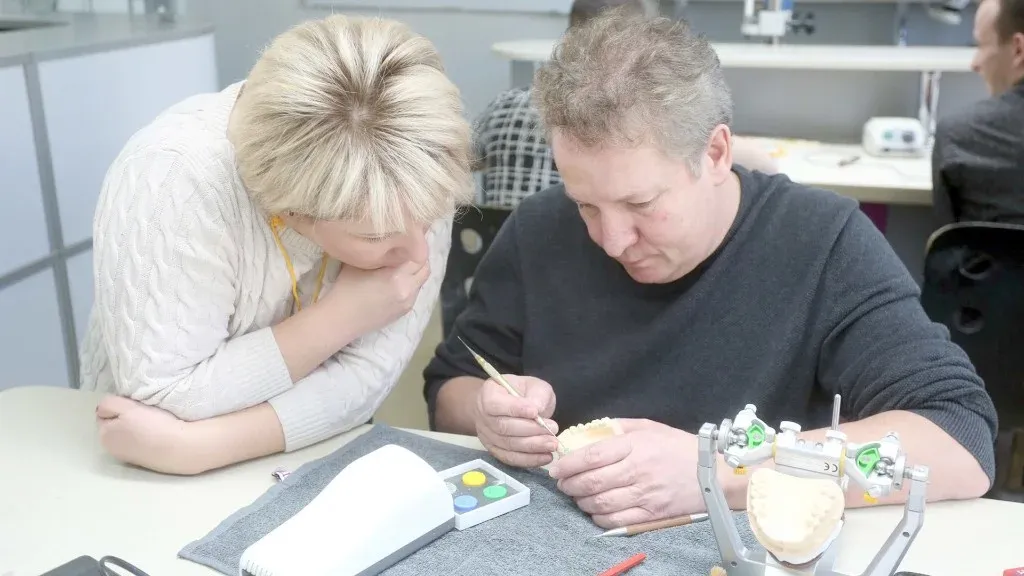
Ceramist refining surface stain and glaze on an anterior crown under bench lighting

Occlusion, Contacts, Contour, Shade

Correcting One Variable, Keeping the Rest

Most chairside frustration is a single variable: a proximal contact that needs relieving, a working-side interference, an incisal edge to shorten a hair, a cervical shade to warm. Each is a defined correction, and each is made without reopening the parts of the case that were already right.

When a shade refinement turns out to need more than surface staining and glaze can deliver, we tell you it is really a shade case — better said before the adjustment than discovered after.

  • A defined correction: A contact to relieve, an interference to remove, an edge to shorten, a cervical shade to warm — each made in isolation.

  • Said before, not after: When a shade needs more than staining and glaze can deliver, you hear it is really a shade case up front.

Learn more

Made on the same design

Because the case is stored as a digital file, the refinement is applied to it directly. Contacts and occlusion are corrected without disturbing the margins and contour that were already seated right — see how the quality assurance process keeps those checks consistent, and when a return is genuinely a remake instead.

The Process

How a Refinement Is Handled

Four steps from a marked request to a corrected case — with the original design left intact where it was already right.

  1. Tell us what to change

    Practice

    Point to the specific thing: a heavy contact, an occlusal high spot, a contour to soften, a shade a half-step brighter. A photo, a marked contact, or an articulating-paper mark tells us more than a paragraph.

  2. We confirm it is a refinement

    Lab

    We check the request against the design and the records. If a small correction will solve it, we refine. If the issue points to something a refinement cannot fix, we say so before touching the case.

  3. Refine against the original

    Lab

    The change is made to the existing design — adjusting contacts, occlusion, contour, or characterization — so everything that was already right stays untouched. Nothing is rebuilt that does not need to be.

  4. Recheck and return

    Lab

    The refined restoration goes back through the relevant fit, contact, and occlusion checks, and returns with a note on what changed so the seat appointment has no surprises.

Why a refinement beats a redo

  • Smaller than a remake

    An occlusal high spot or a tight contact is a fit correction, not a rebuild. Handling it as a refinement keeps the case, the shade, and the fit you already approved.

  • Specific in, precise out

    A marked contact or an articulating-paper photo turns a vague "it feels high" into an exact adjustment — which is why the request detail decides how clean the refinement is.

  • Kept on the same file

    Refinements are made to the stored design, so contacts and occlusion are corrected without disturbing margins and contour that were already seated correctly.

Start a case

Send one case. Keep the scanner.

Open a partner account and your first case moves with a shade record and our remake guarantee — if a unit does not seat, we redo it at no charge.

  • Free 3Shape TRIOS 6 scanner for active partners
  • Under-2% remake rate — remakes at no charge
  • One named technician you reach directly — no call center

Prefer to talk? +1 747-268-0808

No call center — you hear back from the lab, not a bot.

Adjustments FAQ

Adjustments & Refinements — Questions Dentists Ask

Be specific about the single thing to change and show it where you can — an articulating-paper mark for a high spot, a photo for a contact or contour, a shade tab reference for a color tweak. Return the restoration with the original prescription, and add a new scan or bite only if the occlusion or prep has changed since the case was made. The more precise the request, the more precise the fit correction.

Often no. Many refinements are made directly to the stored design without new records. When a fit correction needs updated occlusion or contacts, a fresh scan from iTero, 3Shape, or Medit lets us refine against the current situation. Photographs of the marked issue are often all we need for a contour or shade refinement.

How to send a file

If the case is fundamentally right and one variable is off, refine it. If the miss is structural — fit, margin, or a shade beyond what surface work can reach — that is a remake, and we will say so before touching the case. We confirm a request is genuinely a refinement before proceeding so you are not adjusting a unit that needs remaking.

A refinement made to the existing file is typically quicker than a full remake, and a well-marked request moves faster than a vague one. Corrections that need new records or a return shipment take longer than those handled from photos.

That is worth a conversation about the records or the design rather than another refinement. For esthetic tweaks that keep recurring, custom shade matching or a design review addresses the cause; for occlusal adjustments, reviewing the bite records usually does.

Partner Offer

A Free Intraoral Scanner for Partner Practices

Partner with Universal Dental Lab and we place a 3Shape TRIOS 6 Wireless in your operatory — free for the length of our partnership. Scan the prep, send it in seconds, and skip impressions entirely.