
Intraoral Scan File Processing Services

We turn the raw intraoral scans a dental practice sends into production-ready digital records — validated, articulated, and checked before design begins, so cases fabricate the first time.

A restoration is only as accurate as the scan it starts from. Intraoral scan processing is the step where we review, refine, and validate that scan — so the file that reaches design and CAD/CAM is production-ready, not a problem waiting to surface at the seating appointment.

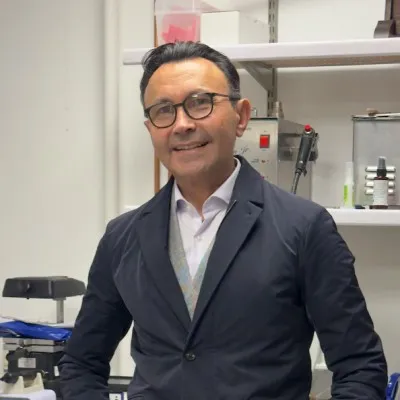
Jahn De Khudikine, Founder · Universal Dental Lab
Jahn De Khudikine Founder · Universal Dental Lab

Why send it here

A scan with holes becomes a restoration with gaps. We close the mesh before it enters CAD.

A practice's schedule lives or dies by the lab — I've watched one late case push back a whole day of chair time.

So I still know the cases moving through this lab, and I answer for how each one is made. Send a case here and it doesn't drop into a queue — it lands with me and one technician who carries it start to finish.

Start a case
From your scan
A validated, articulated record — before design begins iTero · 3Shape · Medit
Every mesh checked
A corrupt or partial file is caught here, not three days later STL · PLY · OBJ
Your technician
One person holds your case Reach them directly — no call-center queue
Free scanner
3Shape TRIOS 6 for partners Go fully digital at no cost

The Workflow

From Scanner Export to Production-Ready Record

Five steps between your operatory and the mill, with problems surfaced early — while they still cost a message instead of a remake.

  1. You export and upload

    Export both arches, the bite, and any scan bodies from your scanner as STL, PLY, or OBJ, and upload them with the RX. iTero, 3Shape, and Medit files all come straight into our workflow.

  2. We validate the file

    Every mesh is opened and checked — format, resolution, watertight geometry, and whether the export actually contains what the case needs. A corrupt or partial file is caught here, not three days later.

  3. We review case readiness

    Margins captured cleanly, a usable bite relationship, scan bodies fully visible, full-arch stitching that has not drifted, occlusal records that agree with the bite. This is where most silent problems live.

  4. We flag anything missing

    If a margin is short or a bite is missing, you hear about it the same day. Processing makes a scan production-ready — it cannot invent clinical information the scan never captured.

  5. Records prepared for production

    Cleaned, oriented, and articulated, the digital record is handed to design and CAD/CAM manufacturing — ready to fabricate without a second round of questions.

Input
STL, PLY, OBJ
Scanners
iTero, 3Shape, Medit
Output
A production-ready record
Turnaround
Quoted per case at intake
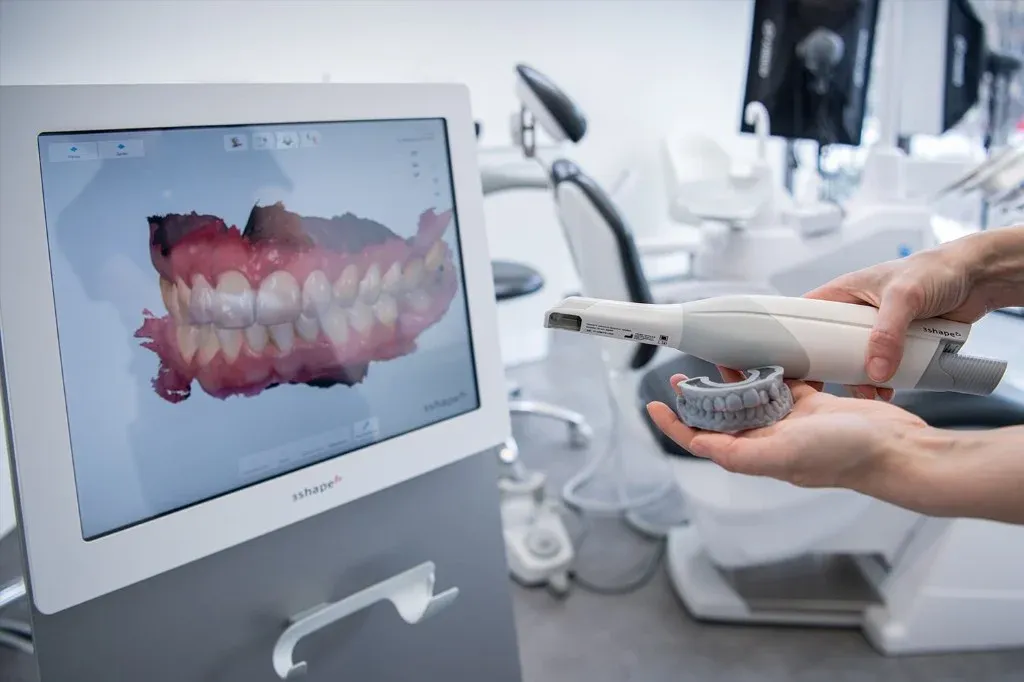
Intraoral scanner in hand beside a monitor showing a 3D digital arch

Overview

Intraoral Scan Processing, Before Design Begins

A restoration is only as accurate as the scan it starts from. Intraoral scan processing is the step where we review, refine, and validate that scan — so the file that reaches design and CAD/CAM is production-ready, not a problem waiting to surface at the seating appointment.

Every practice scans a little differently, and every scanner exports a little differently. Our job is to take your STL, PLY, or OBJ export and prepare a clean, articulated digital record that downstream design and manufacturing can rely on.

  • A service, not a switch to flip: Keep scanning the way your practice already scans; the cleanup happens on the lab side.

  • Built on your existing workflow: We handle scan integration, file conversion, and digital-impression cleanup for you.
Learn more
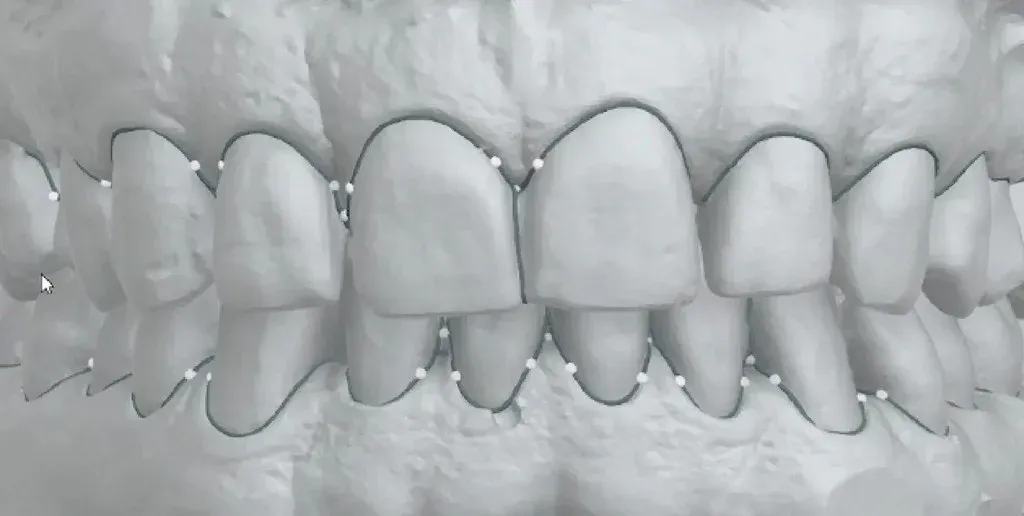
Split view of a raw mesh with artifacts beside the same scan cleaned and articulated

Validation

What Processing Can and Cannot Do

File processing improves production readiness: it cleans mesh artifacts, corrects orientation, articulates the arches, and trims excess soft-tissue capture. What it cannot do is replace missing clinical information.

An incomplete margin, a distorted full-arch stitch, a missing bite relationship, or a partially captured scan body has to be re-scanned — and we tell you exactly which records need re-capture rather than guess and produce something you will have to redo.

  • Caught in review, not chairside: A short margin or a missing bite is surfaced the same day, while it still costs a message.

  • We name what to re-scan: You get a specific question before production, not a surprise at seating.

Learn more
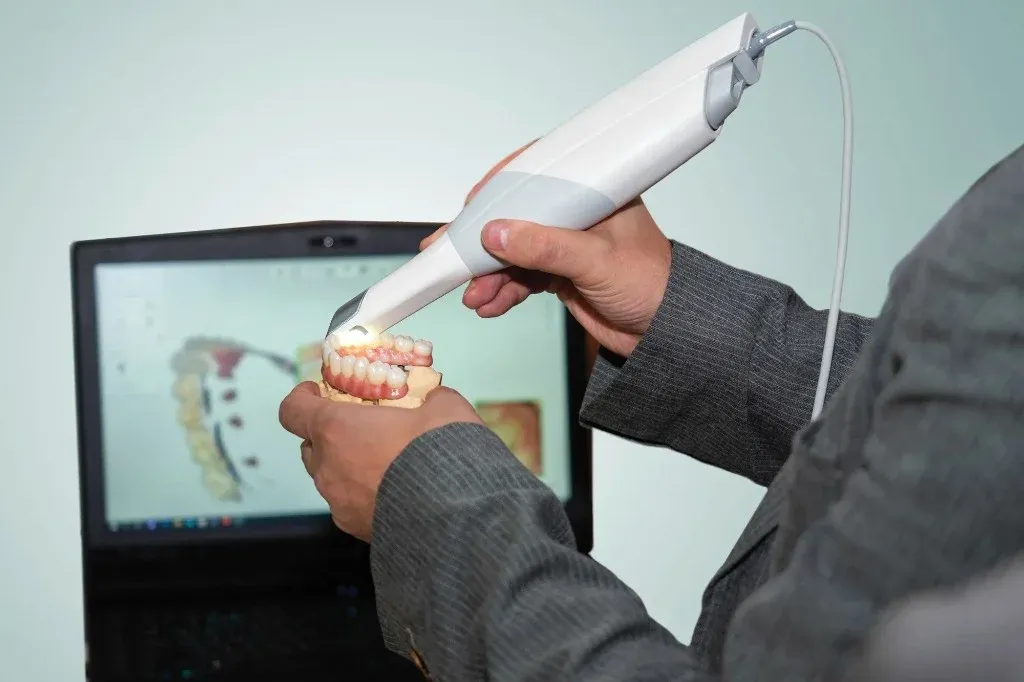
iTero, 3Shape, and Medit scanner units lined up as accepted systems

Compatibility

Any Major Scanner, Any Common Format

We accept intraoral scans from iTero, 3Shape, and Medit, and take open STL, PLY, and OBJ exports as standard. Where a scanner ecosystem connects directly, we integrate with it — so sending a case is one step, not a file-conversion project for your team.

Unsure how your system exports? Tell us the scanner and we will send the exact steps for it.

  • Open exports always work: An STL, PLY, or OBJ export is the most portable option and works every time.

  • Direct connections too: Common scanner ecosystems connect straight into our workflow.

Learn more

Applications

Workflows a Processed Scan Feeds

From a single restorative unit to a full-arch or implant case — the digital workflows that begin from a validated record.

Restorative Workflows

Crowns, bridges, inlays, onlays, and veneers all start from a clean margin and a usable bite. We validate both before the case moves into design.

Implant Prosthetics

Custom abutments, screw-retained crowns, and bars depend on fully captured scan bodies. We confirm each one reads cleanly before production.

Full-Arch Rehabilitation

Full-arch cases are where small inaccuracies compound. We check the stitching has not drifted and the arches articulate to the bite before anything is designed.

Surgical Guide Preparation

A guide is only as good as the record it plans on. We prepare the intraoral scan for merging with CBCT so guided planning starts from an accurate surface.

Orthodontic Appliance Workflows

Aligner setups, retainers, and appliances need a clean full-arch record with a reliable occlusal relationship — the two things we validate first.

Removable Prosthetic Production

Edentulous arches and digital denture workflows carry little hard-tissue detail, so we trim excess soft-tissue capture and orient the record for design.

When It Helps

When a Case Needs Scan Optimization

  • Multi-unit restorative cases
  • Implant-supported restorations
  • Full-arch digital impressions
  • Edentulous arches and digital denture workflows
  • Anterior esthetic cases
  • Occlusal inconsistencies and unclear preparation margins

Anywhere small inaccuracies compound, a validated record earns its place. When you already see a clearance or margin concern, tell us — we would rather review it before production than after seating.

Advantages

What Clean Scan Processing Buys You

  • Fewer Remakes

    A short margin or a missing bite gets caught in the file review, not discovered chairside at the seating appointment.

  • Faster CAD/CAM

    A clean, validated record moves straight into design. Nobody spends the first hour of the case repairing the mesh.

  • Clear Communication

    When a scan cannot support the restoration, you get a specific question before production starts — not a surprise afterward.

  • Consistent Fit

    An articulated, oriented record keeps seating predictable and chairside adjustment to a minimum across multi-unit and full-arch work.

What processing cannot do

File processing improves production readiness — it cleans, orients, and articulates the record. It cannot replace missing clinical information: an incomplete margin, a distorted full-arch stitch, a missing bite, or a partial scan body has to be re-scanned, and we will tell you exactly which record needs re-capture.

Materials & Quality

Digital Design, File Review, and Quality Control

Case-Specific Digital Workflow

Every practice scans a little differently, and every scanner exports a little differently. We take your STL, PLY, or OBJ export and prepare a clean, articulated digital record that downstream design and manufacturing can rely on — for restorative work, implant prosthetics, full-arch rehabilitation, surgical guide preparation, orthodontic appliances, and removable prosthetics alike.

Read the full quality process Show less

Digital File Review and Quality Control

Every mesh is opened and checked: format, resolution, watertight geometry, margins, bite relationship, scan bodies, and full-arch stitching. Where scans usually need refinement is multi-unit and full-arch cases, implant-supported restorations, edentulous arches, digital denture workflows, and anterior esthetic cases — and the two issues we flag most are unclear preparation margins and inconsistent occlusal records.

Workflow Accuracy, Fit, and Reliability

Because a clean, validated record drives the design, marginal fit repeats and seating stays predictable. Multi-unit and full-arch work stays dimensionally consistent — which is what keeps chairside adjustment to a minimum and a remake matching the original.

Case Submission

What to Send With a Scan Processing Case

We work with modern digital practices and accept scans from all major intraoral systems, including iTero, 3Shape, and Medit.

To keep your case moving, include:

  • Upper and lower intraoral scans, plus the opposing arch
  • A bite scan and an STL, PLY, or OBJ export
  • The RX form with the restoration type and turnaround expectations
  • Shade photos and shade instructions for esthetic cases
  • Implant system and scan body details for implant work

Optional records that improve accuracy — CBCT/DICOM files, stump and smile photos, articulation notes, and previous restoration references — are welcome where the case calls for them. Not fully digital yet? Send a physical impression and we will digitize it. New to the lab? Open an account and we will walk you through your first case.

Why Universal Dental Lab

Why Practices Send Scans to Us

  • Gaps Flagged When the File Lands

    Short margins, missing bites, or ambiguous scan bodies trigger a same-day clarification — processing cannot invent detail the scan never captured.

  • Same Prep, Every Upload

    Orientation, articulation, and cleanup follow one checklist so the STL design receives is production-ready, not a raw export.

  • One Record Through the Workflow

    The cleaned scan feeds a single unit, an implant case, or a full-arch plan without a second round of file prep at each step.

Start a case

Send one case. Keep the scanner.

Open a partner account and your first case moves with a shade record and our remake guarantee — if a unit does not seat, we redo it at no charge.

  • Free 3Shape TRIOS 6 scanner for active partners
  • Under-2% remake rate — remakes at no charge
  • One named technician you reach directly — no call center

Prefer to talk? +1 747-268-0808

No call center — you hear back from the lab, not a bot.

Scan Processing FAQ

Intraoral Scan Processing — Questions Dentists Ask

We process intraoral scans from all major systems, including iTero, 3Shape, and Medit, and we accept STL, PLY, and OBJ exports. An open STL export is always safe. If your scanner uses a proprietary or cloud connection, we can usually receive the case that way too — send us the details and we will confirm the smoothest route for your practice.

An open STL, PLY, or OBJ export is the most portable option and works every time. Many scanner ecosystems also connect directly, and we integrate with the common ones. If you are unsure how to export or share a case, tell us your scanner and we will send the exact steps for that system.

Upload a digital file

We clean mesh artifacts, correct orientation, articulate the arches to the bite, trim excess soft-tissue capture, and prepare the record for design. What processing cannot do is add data the scan never captured — an unrecorded margin or a missing bite has to be re-scanned. We will tell you which is which before any production begins.

Most often on multi-unit and full-arch cases, implant-supported restorations, edentulous arches, digital denture workflows, and anterior esthetic cases — anywhere small inaccuracies compound. Unclear preparation margins and inconsistent occlusal records are the two issues we flag most, because they are the two that most often drive a remake.

Yes — that is the point of processing. If the margin, bite, or implant capture cannot be trusted after cleanup, we stop and tell you what to recapture rather than milling to a file that will not seat. That call happens at intake, not at delivery.

Partner Offer

A Free Intraoral Scanner for Partner Practices

Partner with Universal Dental Lab and we place a 3Shape TRIOS 6 Wireless in your operatory — free for the length of our partnership. Scan the prep, send it in seconds, and skip impressions entirely.